Planets, like living things, change over time. They cool, they contract, and they bear the wrinkles of their aging process. Mercury, the smallest and innermost planet of our solar system, is no exception. Recent analysis of data from NASA’s MESSENGER mission suggests that the planet is shrinking at a rate significantly faster than previously estimated, reshaping our understanding of its geological history and internal dynamics.
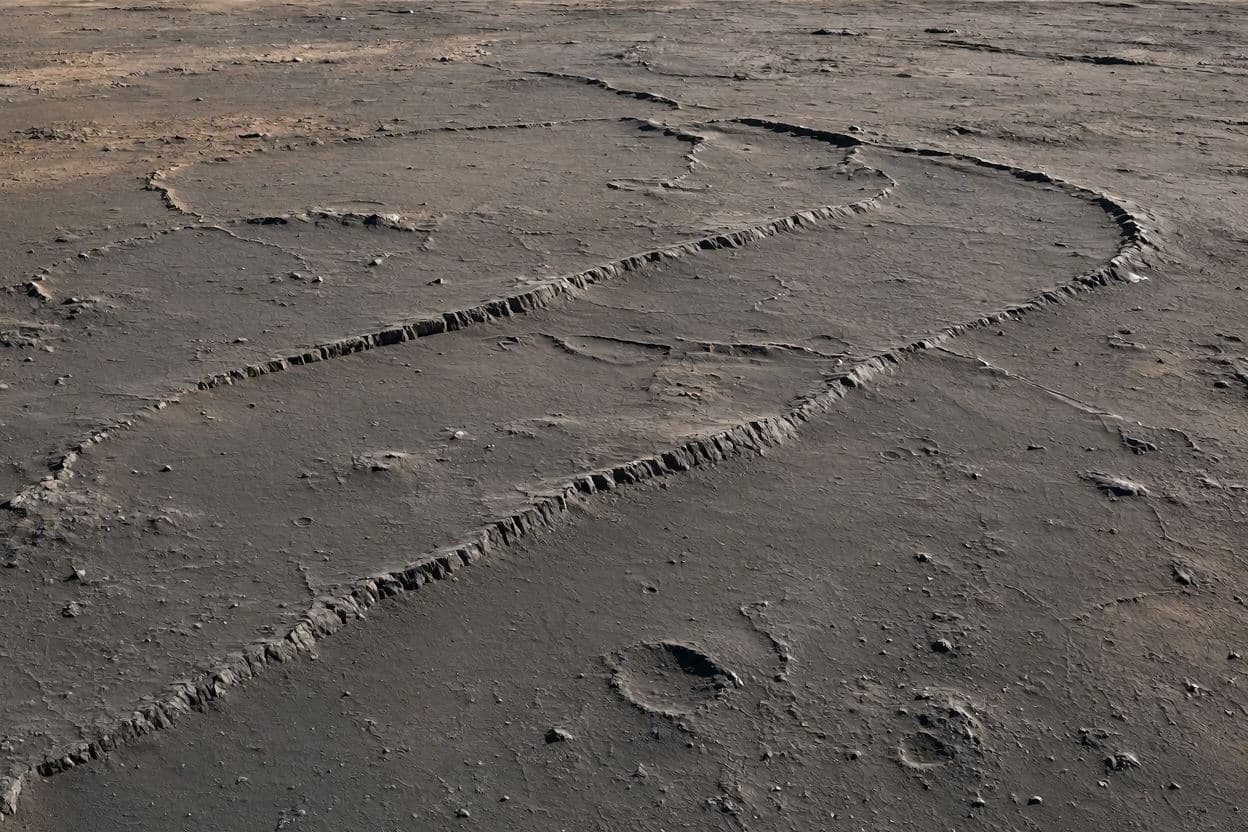
The evidence lies in the planet’s surface features. As Mercury’s interior cools, the planet contracts, causing the crust to buckle and form ridges known as lobate scarps. These "wrinkles" are widespread across the planet, and their density and distribution provide clues to the extent of the shrinkage. New computational models indicate that Mercury may have shrunk by up to 14 kilometers in diameter since its formation, a figure 10 to 30 percent higher than earlier estimates.
This accelerated shrinkage has implications for our understanding of planetary formation. Mercury’s large iron core, which makes up a significant portion of its volume, is cooling more rapidly than anticipated. This process drives the contraction, influencing the planet’s magnetic field and tectonic activity. By studying Mercury, scientists gain insights into the thermal evolution of rocky planets, including Earth.
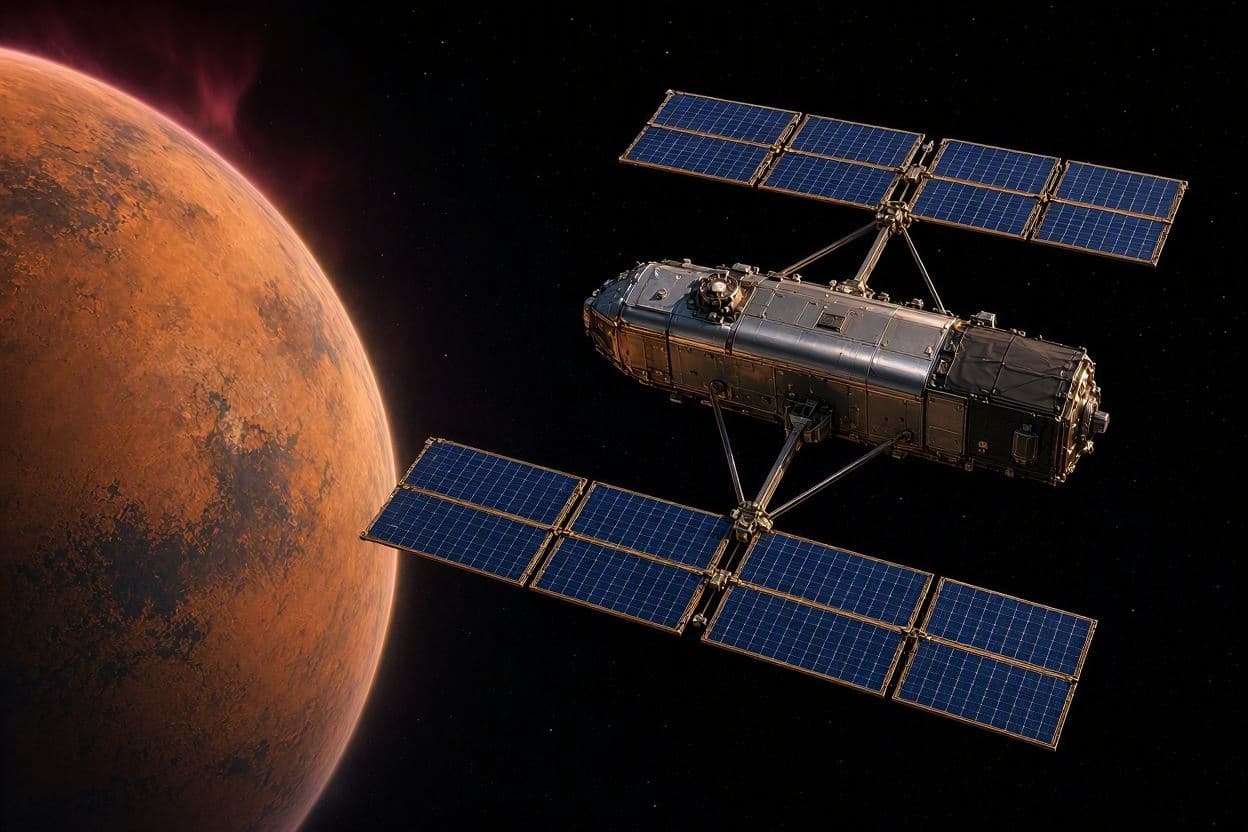
The MESSENGER spacecraft, which orbited Mercury from 2011 to 2015, provided high-resolution images that allowed researchers to map these surface features in unprecedented detail. The new study re-examines this data, using advanced algorithms to identify and measure scarps that were previously overlooked or misclassified. This meticulous work highlights the value of archival data in advancing scientific knowledge.
For planetary geologists, the findings are both exciting and challenging. They require a reevaluation of models that describe Mercury’s internal structure and heat flow. The planet’s rapid cooling suggests that it may have formed with different initial conditions than previously thought, or that its composition allows for more efficient heat loss. These questions drive future research and mission planning.
The shrinking of Mercury is a slow process, occurring over billions of years, but its effects are visible today. The planet’s surface is a record of its thermal history, a testament to the forces that shape worlds. As we continue to explore our solar system, each discovery adds depth to our understanding of the cosmic processes that govern planetary life cycles.
As future missions, such as ESA’s BepiColombo, prepare to visit Mercury, these findings will help guide their objectives. The planet’s wrinkles are not just scars of age; they are messages from the deep past, waiting to be read by those who look closely. In studying Mercury’s shrinkage, we learn not just about a distant world, but about the universal laws that bind us all.
The images presented here are AI-generated interpretations meant to support the article’s thematic elements.
Sources: CNN, Scientific American, Live Science, Washington Times, NASA
Published by Banx Network. This article is part of the Banx decentralized media programme, powered by the BXE token on the XRP Ledger.