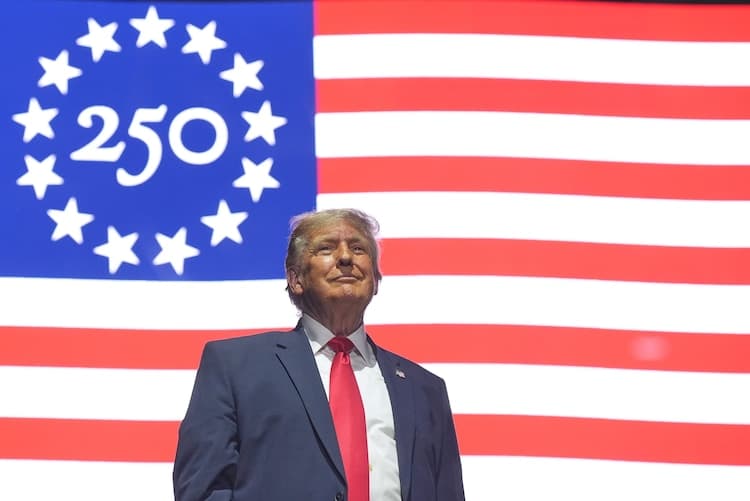
Leaders from around the world have sent congratulatory messages to the United States as Americans celebrate the nation's 250th Independence Day, highlighting both enduring alliances and the importance of international diplomacy despite ongoing geopolitical tensions. Among those offering congratulations were Russian President Vladimir Putin, Ukrainian President Volodymyr Zelenskyy, French President Emmanuel Macron and Italian Prime Minister Giorgia Meloni. Their messages reflected different diplomatic priorities but shared recognition of the historic milestone marking two and a half centuries since America's founding. The anniversary has become one of the largest commemorations in modern U.S. history, featuring nationwide celebrations including military displays, concerts, historical exhibitions, cultural events and community gatherings across all fifty states. President Trump has described the anniversary as a celebration of American resilience, democracy, innovation and national unity. Washington, D.C., hosted major public events featuring military aircraft flyovers, patriotic performances and ceremonies recognizing veterans and public servants. International observers noted the symbolic importance of congratulatory messages arriving from leaders representing countries with vastly different relationships with the United States. Some nations maintain close security alliances, while others continue to experience diplomatic disagreements over trade, military policy or regional conflicts. Political analysts suggested the messages illustrate an important diplomatic tradition whereby countries recognize significant national milestones regardless of broader geopolitical disputes. Such gestures often reinforce communication channels even during periods of international tension. The anniversary also offered opportunities for foreign governments to reaffirm partnerships involving trade, defense cooperation, scientific research, education and cultural exchange. Several embassies hosted special events recognizing longstanding bilateral relationships with the United States. Economic cooperation remains central to many of these relationships. The United States continues to be one of the world's largest trading partners, with extensive commercial ties spanning North America, Europe, Asia, Africa and Latin America. Security cooperation likewise remains a defining element of American foreign policy. Through alliances and defense partnerships, the United States works alongside numerous countries on counterterrorism, intelligence sharing, maritime security and regional stability initiatives. While celebrations focused largely on history and national achievement, political commentators also reflected on the challenges facing the United States, including domestic political polarization, economic competition, technological transformation and evolving global security dynamics. Nevertheless, the widespread international recognition of America's 250th anniversary demonstrates the country's continued influence across global diplomacy, finance, innovation and culture. Messages from foreign leaders underscored that despite differences over policy, the United States remains a central actor in international affairs. As celebrations continue nationwide, the anniversary serves both as a reflection on America's historical journey and as an opportunity to strengthen diplomatic relationships that will shape international cooperation in the decades ahead.
Published by Banx Network. This article is part of the Banx decentralized media programme, powered by the BXE token on the XRP Ledger.