In the high-stakes theater of international diplomacy, words often carry as much weight as actions. Recently, a divergence in narratives has emerged between Washington and Tehran regarding the status of potential negotiations. While President Donald Trump announced that new talks were imminent, Iranian officials have firmly denied these claims, stating that no such discussions are currently underway. This discrepancy highlights the delicate and often opaque nature of diplomatic engagement, where public posturing can sometimes obscure the private realities of statecraft. It is a moment that invites reflection on the complexities of trust and communication in global relations.
President Trump’s assertion that negotiations would begin soon was met with swift rejection from Tehran. Iranian spokespersons clarified that there are no plans for direct talks with the United States at this time, describing the American president’s statements as inaccurate. This denial underscores the persistent mistrust that characterizes U.S.-Iran relations, a relationship marked by decades of tension, sanctions, and geopolitical rivalry. For observers, the conflicting reports serve as a reminder of how fragile any potential breakthrough might be.
The context of these claims is significant. Following a period of heightened military tension, including the cancellation of planned U.S. strikes, there had been speculation about a diplomatic off-ramp. Trump’s comments suggested that progress had been made behind the scenes, possibly through intermediaries. However, Iran’s public dismissal suggests that either no such progress occurred or that Tehran is unwilling to acknowledge it publicly, perhaps to maintain leverage or domestic credibility.
Diplomatic experts note that such denials are not uncommon in high-level negotiations. Parties often use public statements to manage expectations, signal strength, or test the waters without committing to a formal process. The term "imminent" can be subjective, and what one side views as a preliminary step, the other may see as insufficient or non-existent. This ambiguity allows both sides to maintain their positions while keeping channels potentially open.
The reaction in Washington has been mixed. Some allies of the administration view the denial as a tactical move by Iran to extract better terms, while critics argue it exposes a lack of genuine dialogue. The situation places pressure on mediators and regional partners who hope for de-escalation. Stability in the Middle East depends heavily on the ability of major powers to find common ground, even when public rhetoric suggests otherwise.
For the people of Iran and the United States, the uncertainty has real-world implications. Sanctions continue to affect the Iranian economy, while regional tensions pose security risks for American interests. A successful negotiation could offer relief and stability, but the current standoff suggests that the path forward remains obstructed by mutual suspicion and strategic calculation.
International observers are watching closely, aware that miscalculations can lead to unintended escalation. The denial of talks does not necessarily mean the end of diplomatic efforts, but it does indicate that any progress will likely be slow and fraught with challenges. Patience and persistence will be required from all parties involved if a lasting agreement is to be reached.
As the dust settles on this latest exchange, the reality remains that U.S.-Iran relations are at a critical juncture. Whether through backchannels or public declarations, the desire for resolution exists, but the bridge to get there is still under construction. For now, the world waits to see if words will eventually give way to meaningful action.
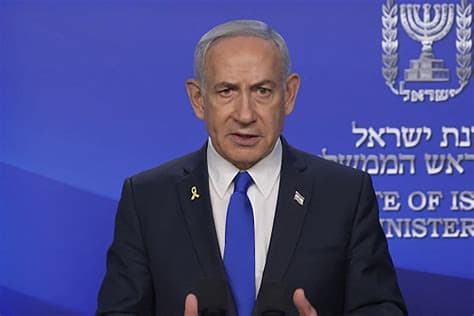
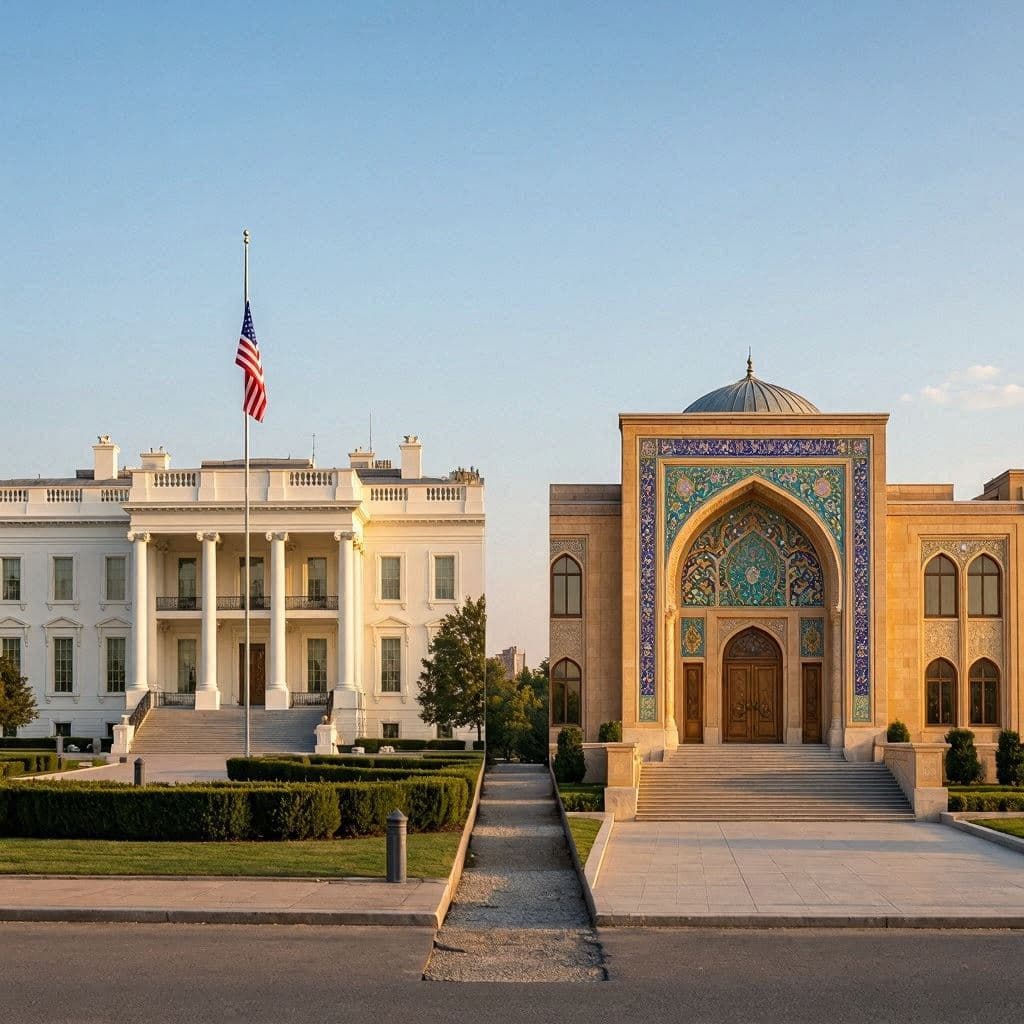
AI Image Disclaimer: The visuals accompanying this article are AI-generated illustrations designed to represent the themes of diplomatic tension and international dialogue.
Sources: Financial Times, CBS News, The Guardian, New York Post
Published by Banx Network. This article is part of the Banx decentralized media programme, powered by the BXE token on the XRP Ledger.