In the high-stakes theater of Washington litigation, where legal arguments often double as political messaging, the rhetoric can become as fortified as the structures under debate. President Donald Trump has launched a sharp verbal offensive against the National Trust for Historic Preservation, accusing the nonprofit of revealing "top military secrets" in its lawsuit challenging his White House ballroom project. This accusation invites reflection on the blending of national security concerns with domestic policy disputes and the intensity of modern political conflict. It is a moment where preservation meets provocation.
The dispute centers on the proposed construction of a new event space at the White House, which the Trust argues violates historic preservation laws and lacks congressional approval. By labeling the group’s actions as treasonous, the President elevates a zoning and heritage debate to the level of national defense. Heritage holds history. Defense defines priority.
Trump’s comments, made via social media, described the organization as "TREASONISTS" and claimed that their legal filings exposed sensitive information about the Executive Residence. Such language underscores the deep polarization surrounding his administration’s initiatives. Language shapes perception. Polarization divides opinion.
Legal experts note that the Trust’s lawsuit relies on public records and established preservation statutes, making the claim of leaked military secrets highly unusual. The case is currently being reviewed by the courts, with a focus on procedural compliance rather than security breaches. Law follows procedure. Security requires evidence.
For the National Trust, the accusations represent a significant escalation in a long-standing effort to protect historic landmarks from unauthorized alterations. They maintain that their goal is to ensure transparency and adherence to the law, not to compromise safety. Transparency ensures accountability. Law protects legacy.
The White House has not provided specific details on what constitutes the alleged "military secrets," leaving many to view the remarks as a strategic move to discredit opponents. In the court of public opinion, such narratives can be as influential as judicial rulings. Narrative influences support. Rulings determine outcome.
As the legal battle continues, the focus remains on the balance between executive authority and legislative oversight. The hope is for a resolution that respects both the historical integrity of the White House and the legal processes designed to protect it. Balance ensures stability. Integrity preserves history.
President Trump has accused the National Trust for Historic Preservation of revealing military secrets in its lawsuit against the White House ballroom project. The nonprofit denies the claims, stating their action is based on preservation laws. The hope is for a fair legal review of the construction plans.
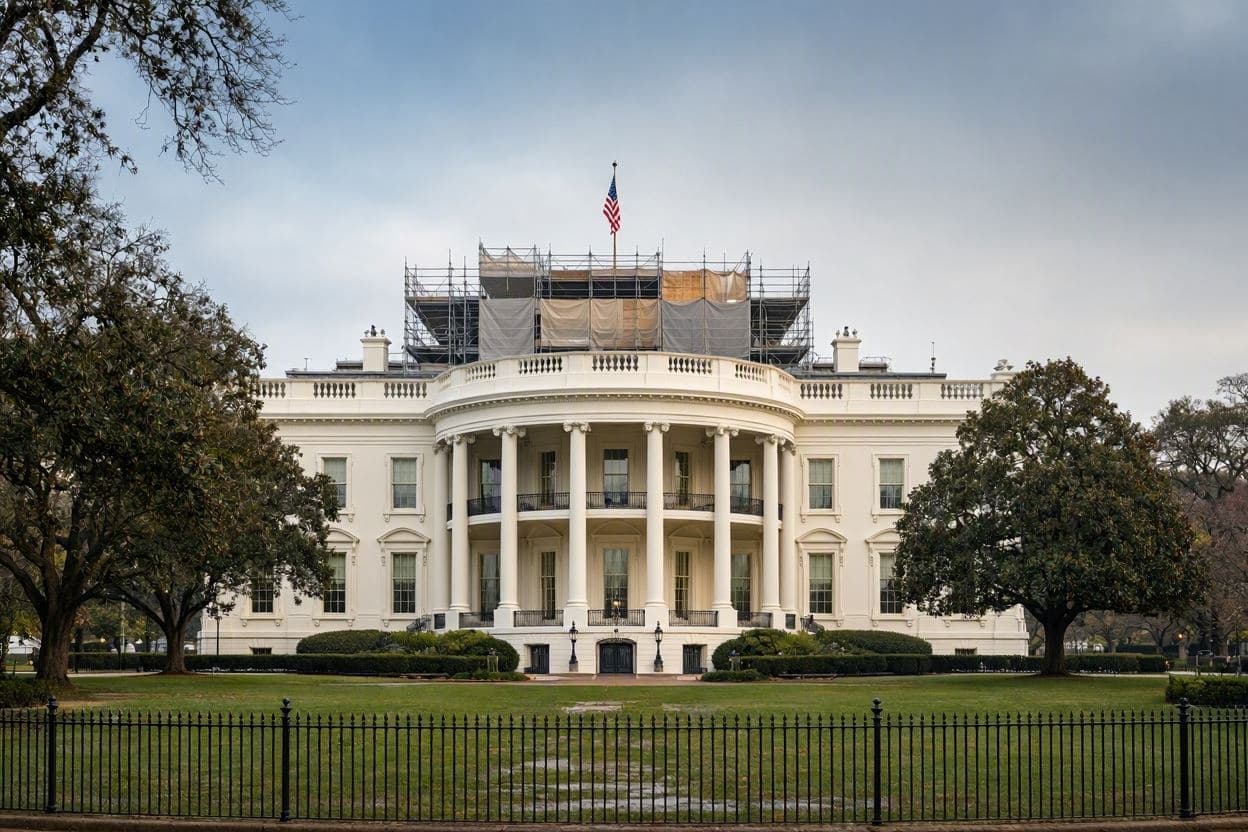
AI Image Disclaimer: The visual elements accompanying this report are AI-generated interpretations designed to reflect the political and legal context of the story.
Sources: The Hill Newsweek Mediaite AOL
Published by Banx Network. This article is part of the Banx decentralized media programme, powered by the BXE token on the XRP Ledger.