
As winter settles over Ukraine, dusk arrives early and lingers long. Streets dim not because night has fully fallen, but because electricity cannot be taken for granted. In apartments across Kyiv and other cities, the glow of windows fades unpredictably, replaced by candlelight that flickers against frost-coated glass.
In this uncertain rhythm, Ukrainians have turned to one another online, sharing small, practical discoveries about how to endure the cold when the power cuts out. Social media feeds and messaging groups have become informal handbooks for survival, filled with instructions that are quiet, domestic, and precise—how to keep warm, how to cook, how to make a room livable when heat and light disappear.
Modern buildings, designed for constant power, grow inhospitable in the dark. Elevators stall. Electric stoves fall silent. Apartments with large windows bleed warmth into the night. To adapt, residents layer clothing indoors, sleep under multiple blankets, and retreat into the smallest rooms, where heat can be contained. Some fashion tent-like enclosures from sheets and duvets, trapping body warmth in a reduced space.
Others describe warming bricks or stones and placing them near beds, or filling bottles with hot water to slide beneath blankets. Battery-powered lamps, head torches, and camping stoves—once recreational accessories—have become essential household tools. Advice circulates on conserving phone batteries, cooking meals ahead of outages, and using thermal curtains or improvised insulation to slow the cold.
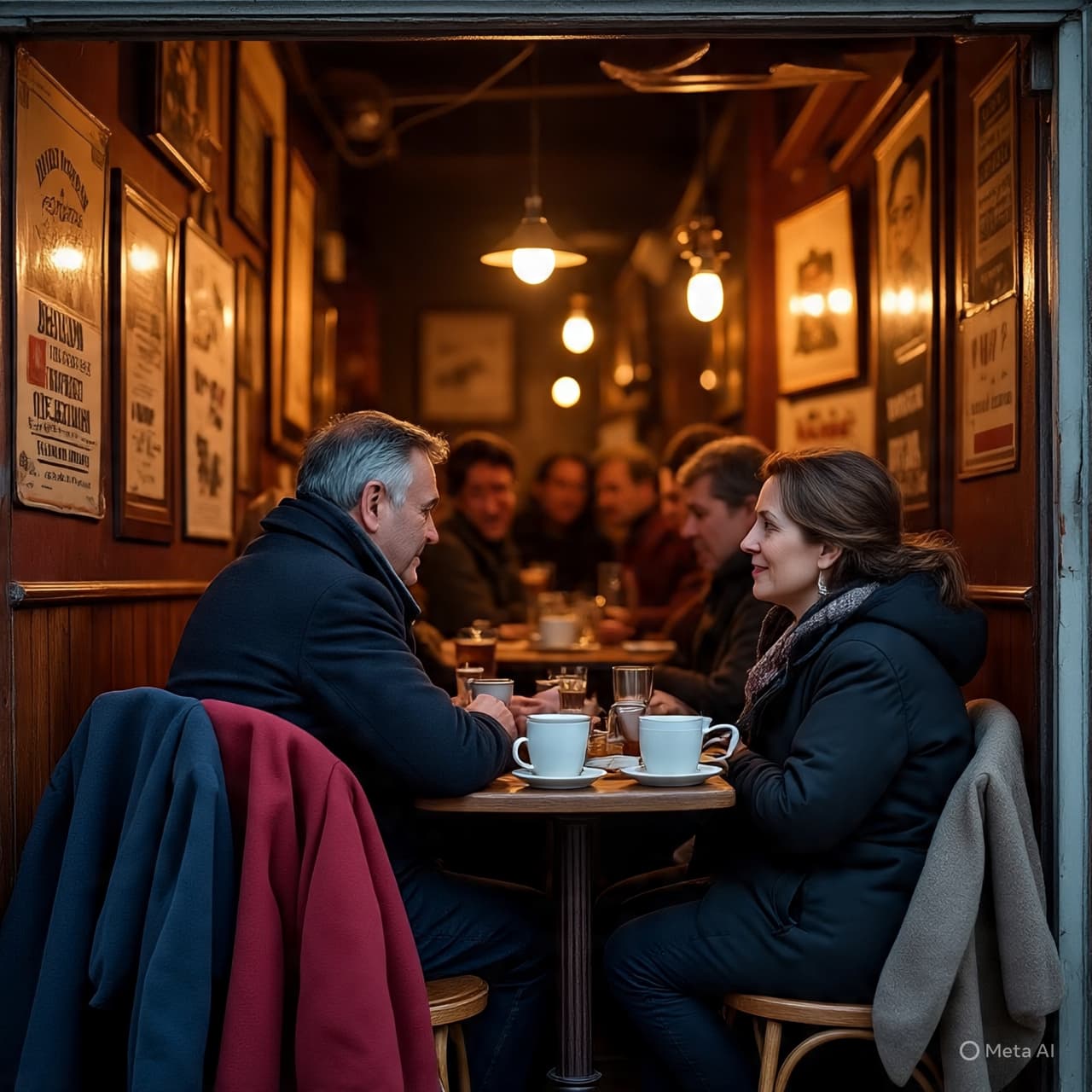
Beyond individual apartments, the outages reshape public life. Cafés and shops equipped with generators turn into islands of light, offering warmth, charging points, and a sense of normalcy. People linger longer than usual, not out of leisure but necessity, sharing tables and conversation as if the darkness outside presses them together.
Occasionally, the improvisation takes on a communal tone. In some neighborhoods, residents gather outdoors during outages, lighting grills or sharing hot drinks, transforming interruption into momentary connection. These scenes are modest, unannounced, and fleeting, but they offer a reminder that resilience is often social before it is technical.
The tips shared online are not grand solutions. They do not restore power or end the war that made such adjustments necessary. But they reveal something quieter and more enduring: a collective refusal to surrender daily life to disruption. In the long Ukrainian winter, survival is measured not only in heat retained or batteries saved, but in the knowledge that someone, somewhere nearby, has already figured out a way through the night.
AI Image Disclaimer
Illustrations were created using AI tools and are not real photographs.
Sources
Ukrainian local reporting Resident testimonies Energy infrastructure briefings Humanitarian observations
Published by Banx Network. This article is part of the Banx decentralized media programme, powered by the BXE token on the XRP Ledger.


