In the soft drift of early winter, as twilight stretches earlier and the holidays hum just below the surface, there’s a quiet stirring in the weave of the season one that travels not in snowflakes but in invisible currents of breath and cough. If weathered neighbors speak of seasons past with wistful recall, this year’s early ripple of influenza feels as though the wind has shifted sooner, inviting us to lean in and listen with a bit more care.
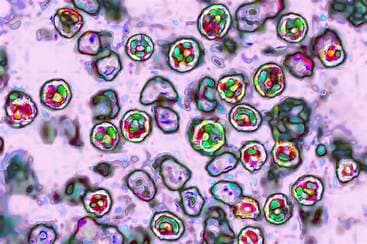
There’s something elemental about a flu season that arrives ahead of its usual cadence, like a bird that returns before you’ve quite put away your summer linens. At the heart of this year’s uptick is influenza A, particularly a variant of the H3N2 virus that’s become the most frequently detected strain across laboratories, contributing to widespread cases and even pediatric fatalities reported in recent surveillance data. Globally, flu activity has risen since October, with many northern hemisphere regions noting earlier surges than in previous years, and health agencies continuing to track the patterns as they unfold.
In the United States, public health officials describe flu activity as increasing across multiple indicators, with tens of millions of illnesses already estimated for this season. This rise aligns with broader trends in respiratory virus transmission that typically follow the rhythm of cooler months, yet the pace and reach this year seem somewhat pronounced. Some experts point to a subclade of the H3N2 virus that wasn’t part of the vaccine design as a factor in why the virus seems to spread more readily, though most vaccines still offer important protection against severe outcomes.
For individuals and families, the symptoms of flu fever, cough, muscle aches, fatigue, and sometimes nausea or chills may feel all too familiar, overlapping with other seasonal respiratory illnesses yet carrying their own distinctive cadence. Health professionals encourage vaccination for anyone six months and older who hasn’t yet received it, a simple act of care that can reduce the risk of serious complications even when strains shift. In simple terms, staying home when sick, practicing hand hygiene, and seeking medical care early for severe or prolonged symptoms can help ease the load on both individuals and health systems in the weeks ahead. This seasonal dance of viruses reminds us that care both gentle and vigilant is part of our shared winter landscape.
As flu activity continues to rise in many regions, so too does the collective invitation to act with informed kindness: get vaccinated, listen to your body, and when illness visits, treat yourself and others with both caution and compassion. The season’s story is still being written, and in the quiet moments between coughs and conversations, each thoughtful step helps weave a healthier narrative for the days to come.
AI Image Disclaimer (rotated) “Visuals are created with AI tools and are not real photographs.”
Source list (5):
CBS News early season flu concerns and symptoms. CDC influenza surveillance updates (U.S. flu statistics). WHO global flu activity report. People.com analysis of this year’s flu trends. Johns Hopkins public health overview of respiratory viruses in winter.
Published by Banx Network. This article is part of the Banx decentralized media programme, powered by the BXE token on the XRP Ledger.