The surface of your iPhone’s display has never seemed quieter, yet somehow more reflective. With the arrival of iOS 26.1, Apple invites users into a subtler world of design and control — where translucent forms glint like water over glass, and you are asked to choose how much of the background you let shine through.
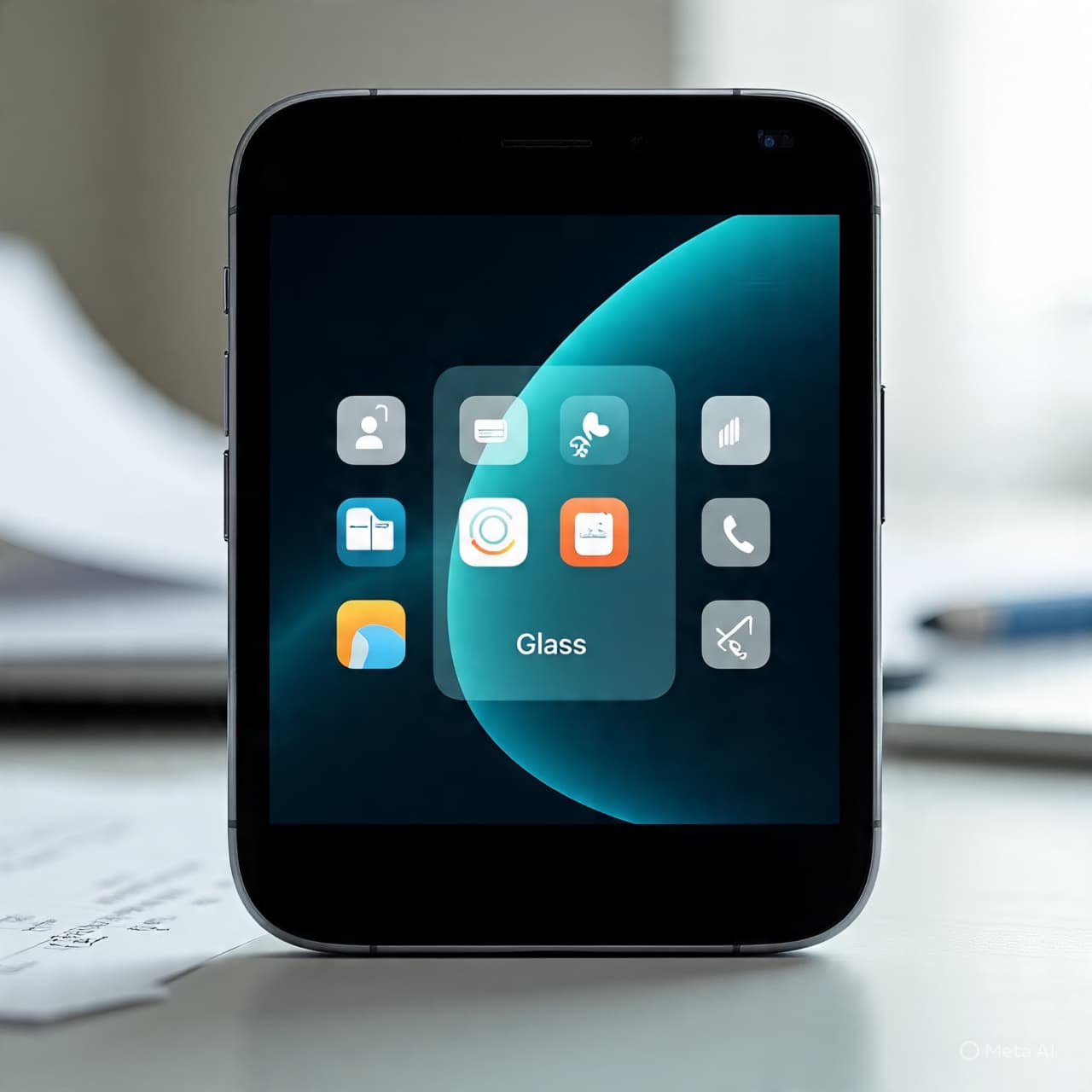
At the heart of this update is the “Liquid Glass” design language first introduced in iOS 26. It brings menus, icons and controls that appear to float above your content, their edges blurred, their surfaces semi-transparent — the operating system wearing a soft glassy coat. But not everyone found the finish comfortable. Early feedback noted that the ultra-transparency sometimes made text harder to read, and the depth effect could feel visually busy.
In response, iOS 26.1 offers a gentle recalibration: in Settings → Display & Brightness → Liquid Glass, you’ll find a toggle allowing you to switch between a Clear mode (the original ultra-transparent look) and a Tinted mode, which increases opacity and contrast, making the interface more legible while retaining the glass-inspired aesthetic. The update also includes refinements such as a more subtle glow effect when tapping Liquid Glass elements and improved animations in Control Center that feel softer and bouncier.
Beyond the visual overhaul, iOS 26.1 brings several practical enhancements. One useful feature now allows you to disable the lock-screen swipe gesture that opens the Camera app — providing an extra layer of privacy by preventing unintended camera access from the lock screen. Meanwhile, the live translation capabilities of the system have been expanded: when using your AirPods you can now translate in real time for languages such as Italian, Japanese, Korean and Mandarin (simplified and traditional). Other updates include finer control over external USB microphone gain when recording locally, the ability to save files from local capture to a specific location, manual workout entry in the Fitness app, and better FaceTime performance in low-bandwidth conditions.
All of this amounts to a quiet but meaningful shift. Rather than introducing a radical new function, the focus here is on giving users more choice: how the interface looks, how gestures behave, how translation and capture work. The glass of the interface is still there, but you now get to decide how transparent it should be.
For many iPhone users, that means the aesthetic adventure of Liquid Glass can continue — but on gentler terms. If the original shimmering translucency felt too bold, the new toggle is a welcome balm. If you liked the first rendition, you can keep enjoying it with more control. Either way, the other feature enhancements add up: smarter translation, finer recording options, and more privacy safeguards.
In closing, iOS 26.1 doesn’t shout its changes, but rather whispers them. It smooths the edges of the Liquid Glass design while enriching everyday interactions in subtle ways. For anyone using iPhone, the update is worth a look — not just for how things appear, but for how things now behave. The glass is still liquid, the choices now a little clearer.
AI Image Disclaimer “Graphics are AI-generated and intended for representation, not reality.”
Sources Apple Newsroom MacRumors 9to5Mac The Verge Tom’s Guide
Published by Banx Network. This article is part of the Banx decentralized media programme, powered by the BXE token on the XRP Ledger.