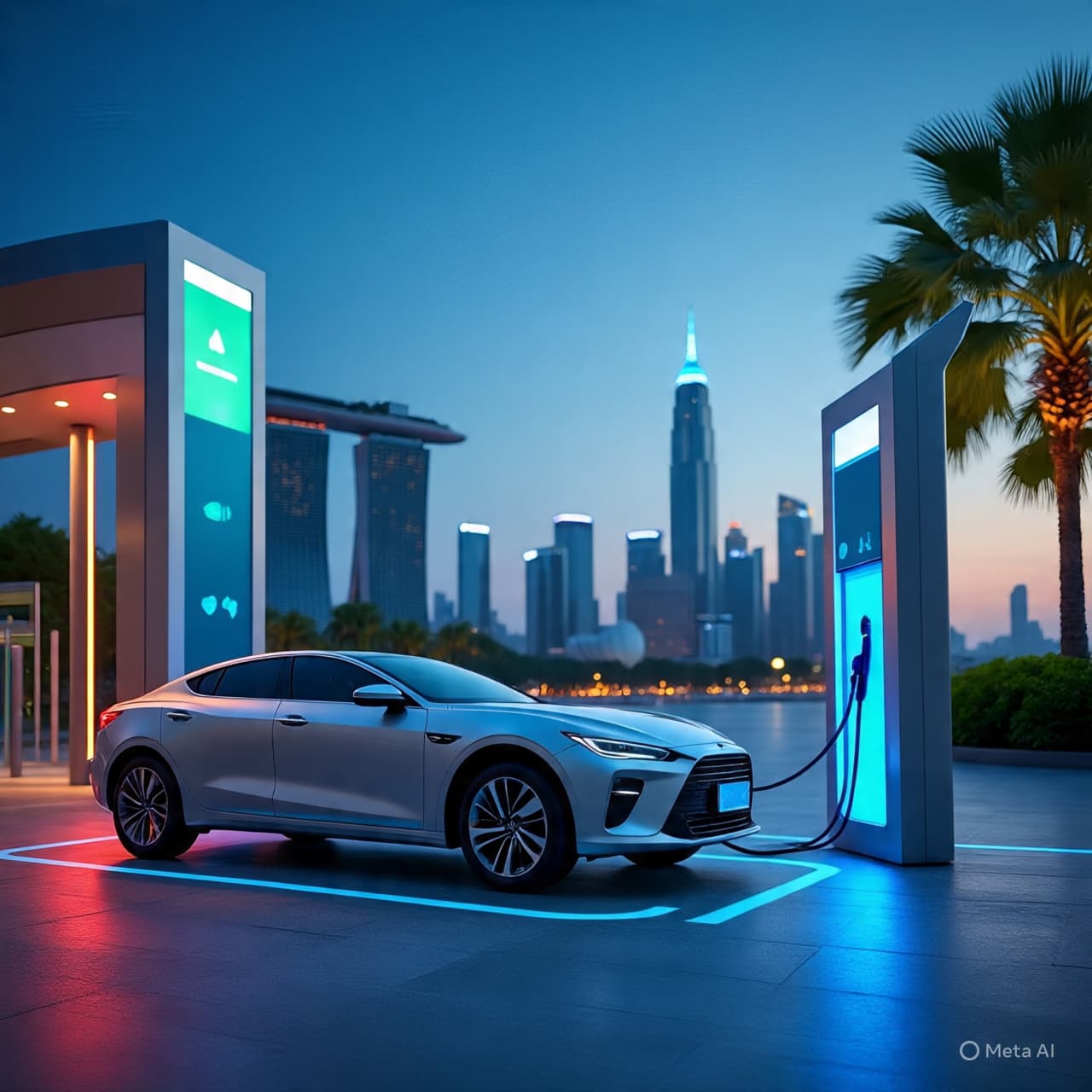
As cities across the world take hesitant steps into an era where electric vehicles (EVs) drive the pulse of tomorrow’s transportation, Singapore stands at an intriguing crossroads. Imagine a vast scale, balanced between the conventional hum of internal combustion engines and the quiet, promising whirr of electric motors. Recent changes in the nation’s Certificate of Entitlement (COE) system, aimed at regulating vehicle ownership, may tip the balance further, guiding Singapore toward a greener future. But as this shift unfolds, it raises a simple yet profound question: will these changes spark a transformation, or will they merely add another layer of complexity to an already intricate system? The COE system, long a tool for controlling the number of vehicles on Singapore’s roads, is evolving. The government has introduced measures that may encourage more people to opt for electric vehicles, in line with its ambitious plans to reduce carbon emissions and promote sustainability. With the new policy changes, COE premiums for conventional vehicles have increased, while those for electric vehicles have remained more attractive. This shift has tilted the playing field in favor of EVs, reflecting the broader global trend of favoring cleaner, more sustainable technology. These changes, however, are not without their complexities. While the adjustments are designed to accelerate the transition to electric mobility, they also risk deepening the divide between those who can afford to embrace the new technology and those who cannot. The cost of EVs, even with incentives, remains prohibitive for many, and despite the appeal of lower COE premiums, the upfront price of an electric vehicle is still a significant barrier. This leaves some wondering: is the push towards EVs truly a step towards more inclusive, equitable urban mobility, or does it risk leaving the average consumer behind? The shift towards EVs also comes with its own set of challenges. Public infrastructure must keep pace—charging stations, grid capacity, and urban planning all need to adapt to accommodate the growing number of electric vehicles. While Singapore is investing heavily in these areas, the road ahead is still fraught with hurdles. The COE system, once a straightforward mechanism, now mirrors the complexities of an evolving city, with shifting priorities that echo the pressing need for sustainability. As the government anticipates that more residents will embrace EVs in the coming years, the long-term effect of these policy changes remains uncertain. Will the shift in COE premiums create a permanent momentum towards EV adoption? Or will it, in the end, only serve as a temporary nudge, with the more entrenched preferences for traditional vehicles remaining strong? Only time will tell, but what is certain is that the policies of today will set the stage for the future of Singapore’s roads. The recent COE changes, designed to tilt the balance in favor of electric vehicles, reflect Singapore’s broader goals for sustainability and innovation. While the shift towards EVs is promising, the challenges remain—financial, infrastructural, and societal. These changes may ultimately play a crucial role in accelerating the adoption of electric vehicles, but the path ahead requires careful navigation. The government’s ambition to make Singapore a leader in green mobility is clear, but as with all transformations, it is the careful balance between incentives, affordability, and infrastructure that will determine whether the shift toward EVs is a lasting one. AI Image Disclaimer "Images in this article are AI-generated illustrations, meant for concept only." Sources The Straits Times Channel NewsAsia (CNA) Today Online Business Times The Business Insider Singapore.
Published by Banx Network. This article is part of the Banx decentralized media programme, powered by the BXE token on the XRP Ledger.