Labor Day weekend marks the unofficial end of summer, a time when many Americans seek to squeeze the last drops of warmth and leisure from the season. Whether planning a backyard barbecue, a hike in the mountains, or a final beach trip, the weather plays a pivotal role in shaping these memories. As we look toward the 2026 forecast, the question on everyone’s mind is whether rain or heat will dictate the festivities. While precise predictions require closer proximity to the date, understanding seasonal trends can help us prepare for whatever the sky may bring.
Historically, Labor Day weather varies significantly across the country. In the Northeast, early September often brings crisp air and the first hints of autumn, though late-season hurricanes can occasionally disrupt plans. The Midwest may experience mild temperatures, perfect for outdoor activities, but thunderstorms are always a possibility. In the South, heat and humidity often linger, making hydration and shade essential companions for any outdoor excursion.
The West Coast typically enjoys dry and sunny conditions, ideal for camping and coastal drives. However, wildfire smoke has become an increasingly common factor in recent years, potentially affecting air quality and visibility. Checking local air quality indices alongside temperature forecasts will be crucial for those planning activities in western states. Being prepared for both heat and poor air quality ensures a safer and more enjoyable experience.
Climate change continues to influence weather patterns, making extremes more frequent. Heatwaves may last longer into September, while rainfall events can be more intense and unpredictable. Meteorologists advise keeping an eye on updated forecasts as the weekend approaches, rather than relying solely on long-range models. Flexibility is key; having indoor backup plans can save the day if the weather turns sour.
For those traveling, packing appropriately is essential. Layered clothing allows for adjustment to changing temperatures, while rain gear provides protection against sudden showers. Sunscreen and hats remain important, even as the sun’s angle lowers. Hydration is critical, especially in hotter regions, to prevent heat-related illnesses. Small preparations can make a big difference in comfort and safety.
Local events and festivals also depend on favorable weather. Organizers are likely monitoring forecasts closely, ready to adjust schedules or venues if necessary. Supporting these community gatherings, rain or shine, helps maintain the festive spirit of the holiday. Whether under a tent or in the sun, the goal is connection and celebration.
Ultimately, the weather is just one part of the Labor Day experience. Good company, good food, and a relaxed mindset can overcome minor meteorological inconveniences. Whether the sky is blue or gray, the holiday offers a chance to rest and reflect on the year’s work. Embracing the elements, whatever they may be, is part of the adventure.
While specific forecasts for Labor Day 2026 will emerge closer to the date, historical trends suggest varied conditions across the U.S., urging planners to remain flexible and prepared for both heat and rain.
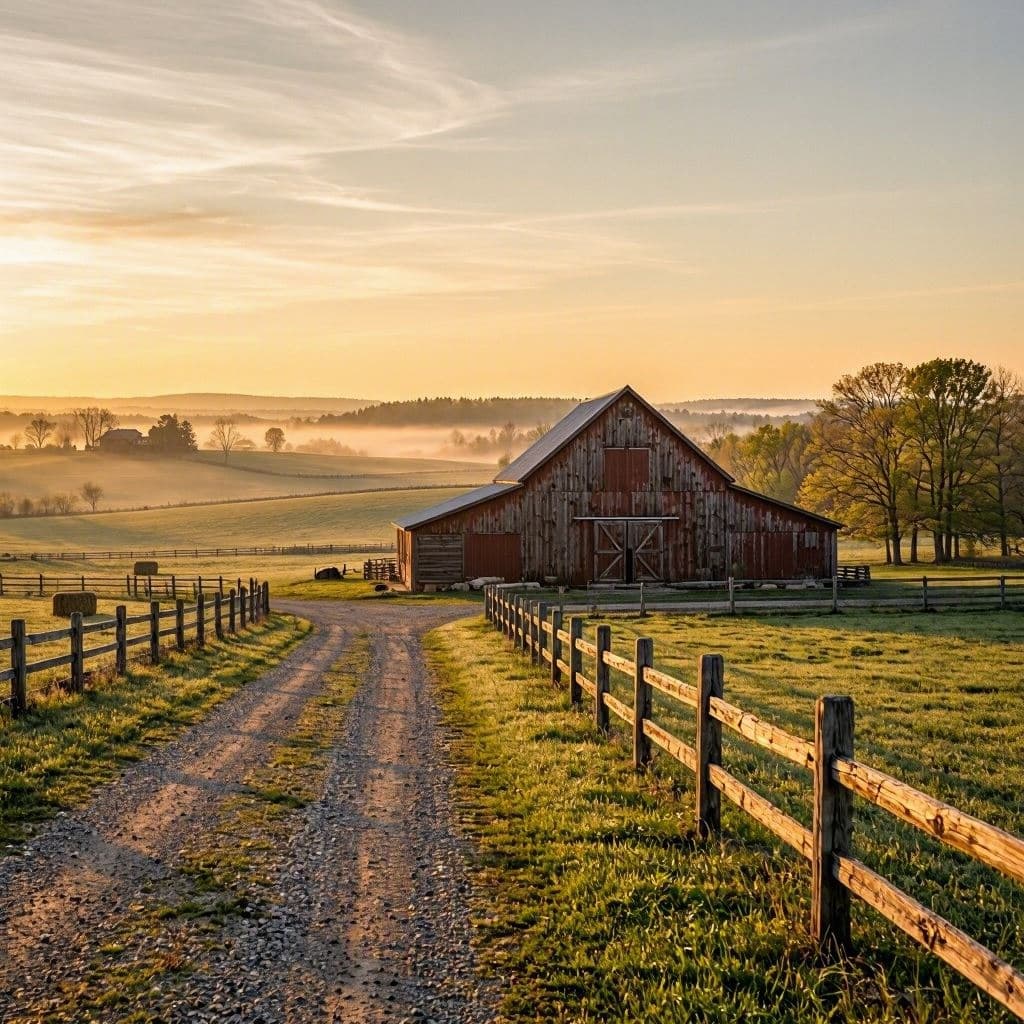
AI Image Disclaimer: The images referenced in this piece are AI-created visualizations meant to evoke the seasonal atmosphere, not direct documentation of the scientific data.
Sources: National Weather Service AccuWeather The Weather Channel NOAA Climate.gov
Published by Banx Network. This article is part of the Banx decentralized media programme, powered by the BXE token on the XRP Ledger.