The intersection of immigration enforcement and mental health is a complex and often painful landscape, where policy decisions can have profound personal consequences. In Springfield, a community has been shaken by the tragic death of a student who took his own life shortly after being fitted with an ICE ankle monitor. The family’s account highlights the intense psychological pressure faced by individuals navigating the immigration system, raising difficult questions about the human cost of surveillance and detention alternatives.
According to the family, the student had been complying with immigration requirements when he was required to wear an electronic monitoring device. For many, such devices are seen as a less restrictive alternative to detention, allowing individuals to remain in their communities while their cases are processed. However, for those wearing them, the constant reminder of legal precariousness can be a source of significant stress and anxiety.
The stigma associated with wearing an ankle monitor can also lead to social isolation and shame. In a school setting, where peer acceptance is crucial, the visibility of the device may have exacerbated feelings of alienation. The family suggests that the emotional burden of this status, combined with the uncertainty of his future, contributed to his decision to end his life. It is a heartbreaking illustration of how systemic processes can impact individual well-being.
Mental health advocates emphasize the need for support services for immigrants undergoing legal proceedings. The stress of navigating a complex legal system, often without adequate resources or language support, can be overwhelming. This tragedy underscores the importance of integrating mental health care into immigration processes, ensuring that individuals have access to counseling and crisis intervention.
Community reactions have been mixed, with some expressing sympathy for the student and others debating the necessity of enforcement measures. The incident has sparked conversations about the effectiveness and humanity of current immigration policies. It invites reflection on how societies can balance security concerns with compassion for vulnerable populations.
Schools and local organizations are now grappling with how to support students who may be facing similar pressures. Educators are being urged to be sensitive to the unique challenges faced by immigrant students, creating safe spaces where they can express their fears and seek help. The tragedy serves as a call to action for institutions to prioritize emotional safety alongside academic achievement.
The family’s statement brings a personal face to the statistics of immigration enforcement. It reminds us that behind every case number is a human being with dreams, fears, and relationships. Their loss is not just a private grief but a public concern, highlighting the need for policies that consider the psychological impact on individuals and families.
As the community mourns, there is a growing demand for review and reform. Advocates are calling for greater transparency and accountability in how monitoring programs are implemented. They argue that humane treatment should be a core principle of immigration enforcement, ensuring that dignity is preserved even in the face of legal challenges.
The suicide of a Springfield student following the imposition of an ICE ankle monitor has drawn attention to the mental health impacts of immigration enforcement. The family’s account urges a reconsideration of how such measures affect individuals, particularly youth. It is a somber reminder of the need for compassion and support in policy implementation.
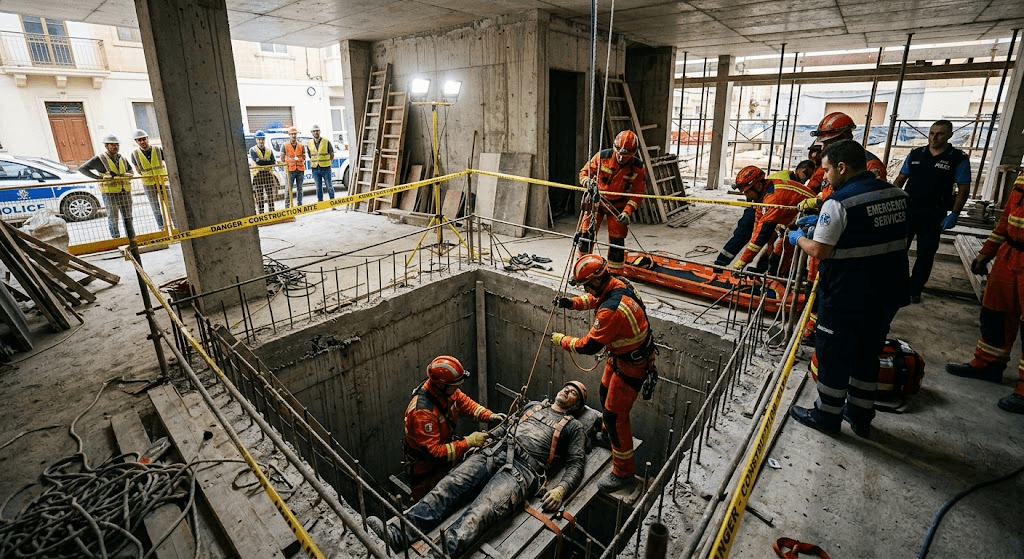
AI Image Disclaimer: The images associated with this article are AI-generated visualizations intended to symbolize the themes of mental health awareness and community support, using respectful and abstract imagery.
Sources: Local Springfield News Outlets Immigration Advocacy Groups Mental Health America
Published by Banx Network. This article is part of the Banx decentralized media programme, powered by the BXE token on the XRP Ledger.