In Munich, the air turns crisp in late September, carrying with it the scent of roasted almonds and malted barley. It is a time when the city transforms into a global stage for celebration, tradition, and communal joy. The opening of Oktoberfest 2026 marks the beginning of this annual pilgrimage, where millions gather to honor Bavarian culture. The ritual of tapping the first barrel is more than a ceremony; it is a symbolic invitation to let go of daily worries and embrace the spirit of Gemütlichkeit, or cozy conviviality.
On Saturday, September 19, 2026, the Mayor of Munich stepped into the Schottenhamel tent to perform the traditional Anstich, or tapping of the first keg. With a few skilled strikes of the mallet, the cry of "Ozapft is!" rang out, signaling that the beer was ready to flow. This moment, broadcast to the world, sets the tone for the next sixteen days of festivity. It is a tradition that dates back to 1810, linking the present celebration to its royal origins.
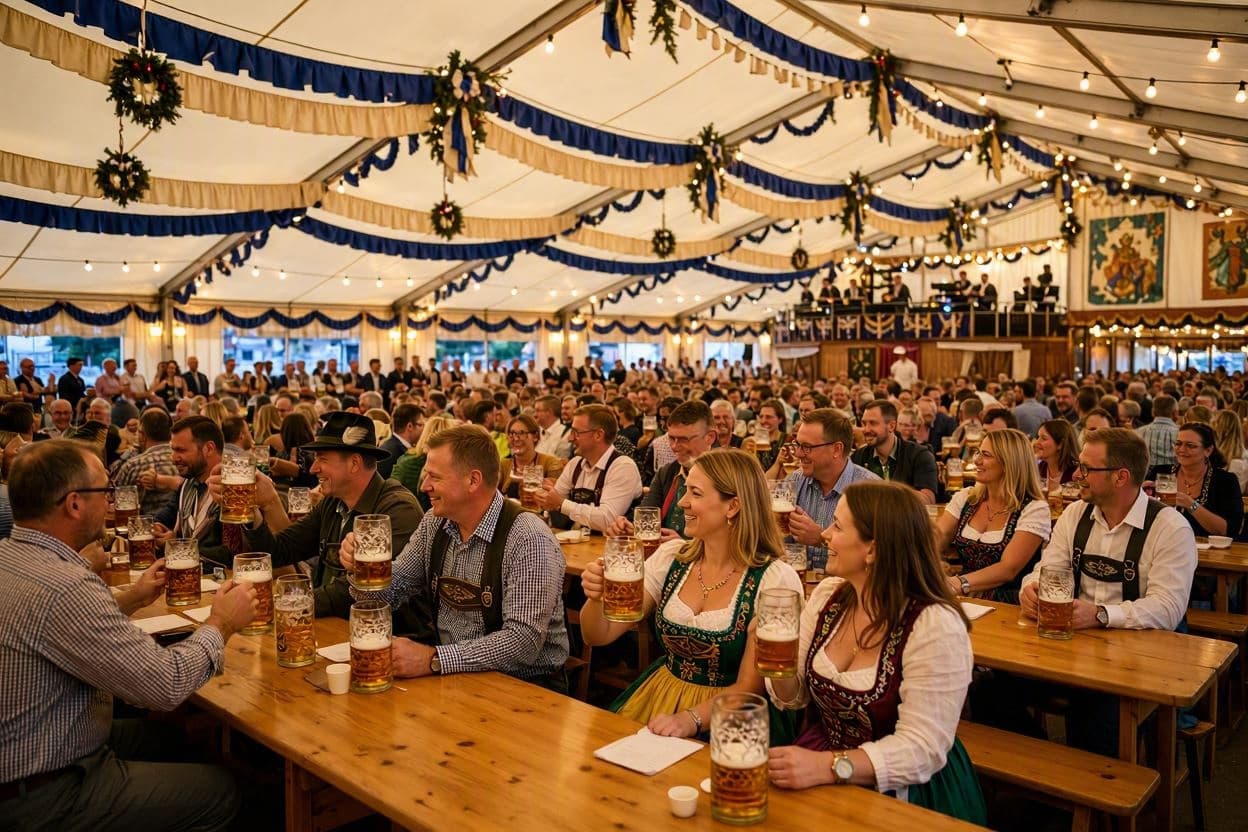
The tents themselves are marvels of engineering and decoration, each with its own unique character and atmosphere. From the historic Hofbräuhaus to the lively Löwenbräu, these structures house thousands of visitors who come to sing, dance, and dine. The sight of people dressed in traditional lederhosen and dirndls adds to the visual spectacle, creating a sea of blue and white checkered patterns that define the festival’s aesthetic.
Food plays a central role in the experience, with sauerkraut, pretzels, and roast chicken serving as staples alongside the beer. These dishes are not just sustenance but part of the cultural heritage being celebrated. The act of sharing a meal in a crowded tent fosters a sense of community among strangers, breaking down barriers and creating shared memories. It is a testament to the power of food and drink to bring people together.
Oktoberfest 2026 also highlights the economic impact of the festival on Munich and Bavaria. Hotels, restaurants, and local businesses thrive during this period, benefiting from the influx of tourists. The event generates significant revenue, supporting jobs and sustaining traditional crafts such as barrel making and textile production. It is a vital engine for the local economy, demonstrating the value of cultural tourism.
Despite its scale, the festival maintains a strong emphasis on sustainability and responsibility. Initiatives to reduce waste, promote public transport, and ensure safe consumption are integral to modern Oktoberfest. Organizers work closely with environmental groups to minimize the ecological footprint, ensuring that the celebration can continue for future generations. This balance between tradition and modernity is key to its enduring appeal.
For many attendees, Oktoberfest is a chance to reconnect with friends and family, or to make new ones. The atmosphere is one of inclusivity and warmth, where people from all over the world come together to celebrate. It is a reminder that despite our differences, we share a common desire for connection and joy. The festival serves as a bridge between cultures, fostering understanding and friendship.
The opening of Oktoberfest 2026 in Munich marks the start of a beloved global tradition. With the tapping of the first barrel, the city invites the world to join in a celebration of Bavarian culture, community, and joy. As the festivities unfold, they remind us of the enduring power of tradition to bring people together in harmony and happiness.
AI Image Disclaimer: Visuals associated with this article are AI-generated representations intended to visualize the historical context and should not be considered photographic evidence.
Sources: Oktoberfest.de Munich City Official Site BBC Travel Deutsche Welle
Published by Banx Network. This article is part of the Banx decentralized media programme, powered by the BXE token on the XRP Ledger.