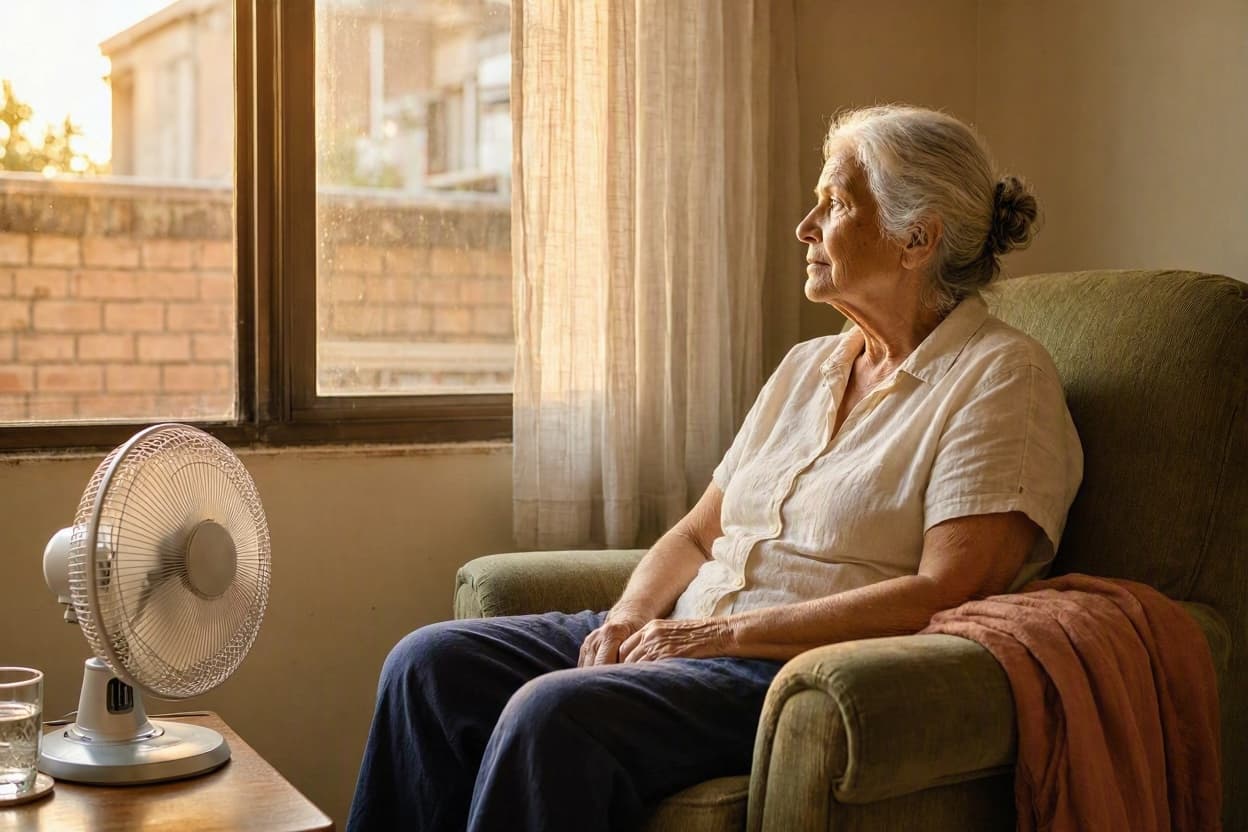
Summer heat is often viewed as a seasonal inconvenience, a time for ice cream and shaded porches. However, for the elderly, extreme temperatures pose a silent and severe threat that is only now being fully understood. Recent studies reveal that the physiological impact of heat on older adults is far more profound than previously thought, affecting not just immediate comfort but long-term biological aging and chronic health stability. This new understanding calls for a reevaluation of how society protects its most vulnerable citizens.
As people age, their bodies lose some of the natural mechanisms that regulate temperature. Sweating becomes less efficient, and blood flow to the skin is reduced, making it harder to dissipate heat. This thermoregulatory decline means that older adults can suffer from heat stress even at temperatures that younger people find manageable. The danger is compounded by common age-related conditions such as heart disease, diabetes, and respiratory issues, which are exacerbated by thermal strain.
Recent research has also highlighted the concept of "biological aging" accelerated by heat exposure. Studies suggest that repeated exposure to high temperatures can cause cellular damage and inflammation, effectively aging the body faster than chronological time. This finding is particularly alarming in the context of climate change, where heatwaves are becoming more frequent, intense, and prolonged. For an older adult, each summer may leave a lasting imprint on their health trajectory.
Social isolation further amplifies the risk. Many elderly individuals live alone, lacking the immediate support network to check on them during heat spikes. They may not recognize the early signs of heat exhaustion, such as confusion or dizziness, or may be reluctant to use air conditioning due to cost concerns. This combination of physiological vulnerability and social factors creates a perfect storm for heat-related morbidity and mortality.
Healthcare providers are increasingly urged to adopt a proactive approach. This includes educating patients and caregivers about hydration, cooling strategies, and the importance of monitoring indoor temperatures. Community programs that offer cooling centers and regular check-ins are vital lifelines. By integrating heat safety into routine geriatric care, medical professionals can help mitigate risks before they become emergencies.
Policy makers are also taking note. Urban planning initiatives that increase green spaces and reduce the "heat island" effect in cities can benefit everyone, but especially the elderly. Building codes that require better insulation and ventilation in housing for seniors are being discussed as essential adaptations. These structural changes are necessary to create environments that are resilient to a warming climate.
The cultural perception of heat needs to shift as well. It is no longer enough to view hot weather as merely uncomfortable; it must be recognized as a public health hazard. Media campaigns, community alerts, and family conversations play a crucial role in raising awareness. When neighbors look out for one another, the collective resilience of the community strengthens.
Ultimately, protecting the elderly from extreme heat is a measure of societal compassion and foresight. It requires a multi-faceted approach involving medicine, urban design, and social support. As the planet warms, our ability to care for those who cannot easily care for themselves will define our humanity. In the face of rising temperatures, cool heads and warm hearts are more important than ever.
AI Image Disclaimer: Visuals in this article are AI-generated illustrations of elderly individuals in home settings and abstract representations of heat impact, designed to visualize the theme of health vulnerability without depicting real medical data or specific patients.
Sources: Harvard Medical School Magazine, CDC, USC Leonard Davis School of Gerontology, WHO
Published by Banx Network. This article is part of the Banx decentralized media programme, powered by the BXE token on the XRP Ledger.