Some stocks move like weather—predictable, seasonal, fading with the afternoon light. Others behave more like tides, retreating only to return with quiet insistence. In the shifting landscape of modern markets, where headlines rise and fall as quickly as prices, one artificial intelligence stock has come to resemble the latter. Each time it appears weakened, it steadies itself, gathers momentum, and drifts back into relevance, refusing to remain anchored to pessimism for long.
This persistence has unfolded against a backdrop of sharp debates about valuation, hype, and the true pace of AI adoption. As interest rates fluctuated and technology shares endured periods of fatigue, many investors expected enthusiasm around artificial intelligence to thin. Yet this particular stock continued to attract capital, not with dramatic spikes, but with a steadier rhythm that suggested confidence rather than speculation.
At the center of this resilience is not merely branding or narrative, but position. The company sits close to the infrastructure layer of the AI economy—supplying tools, platforms, or computing power that quietly underpin more visible innovation. While consumer-facing applications capture attention, it is these foundational elements that companies return to again and again, regardless of sentiment cycles. Revenue tied to long-term contracts, enterprise demand, or embedded systems tends to bend less dramatically during market pullbacks.
Earnings reports have reinforced that perception. Even during quarters when growth softened, the numbers rarely collapsed. Margins held, guidance remained measured, and management avoided the language of urgency. This restraint has mattered. In a market sensitive to excess promises, calm execution has functioned as a stabilizing force, inviting investors to treat declines as pauses rather than exits.
Broader trends have also worked quietly in the stock’s favor. As artificial intelligence spreads beyond experimental use into logistics, finance, healthcare, and manufacturing, demand becomes less discretionary. Companies may delay expansion plans, but they rarely abandon systems that improve efficiency or reduce long-term costs. That reality has given certain AI-linked businesses a durability that is only fully visible during downturns.
Still, the stock’s refusal to stay down does not imply immunity. Valuations remain watched closely, competition intensifies, and technological shifts can alter leadership faster than balance sheets can adapt. Yet each correction so far has ended the same way: with buyers returning not out of excitement, but out of calculation.
In the end, the story is less about defiance and more about gravity. Markets may pull prices downward for a time, but fundamentals exert their own force. For this AI stock, the pattern suggests that belief is no longer driven by novelty alone, but by a growing sense that it occupies a place the future continues to require.
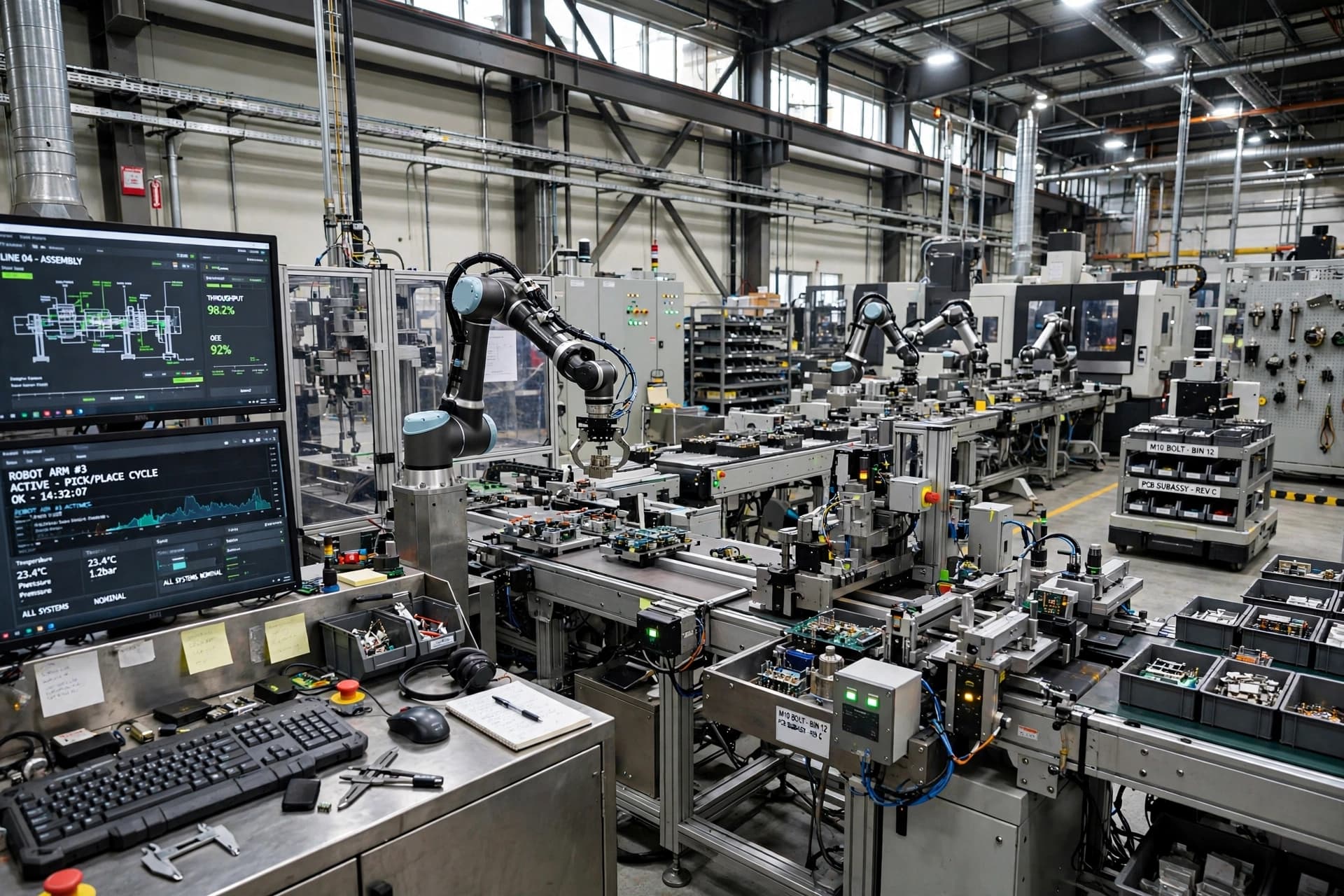
AI Image Disclaimer (Rotated) Illustrations were produced using AI tools and are intended as conceptual visuals, not real-world photographs.
Sources Bloomberg Reuters The Wall Street Journal Financial Times CNBC
Published by Banx Network. This article is part of the Banx decentralized media programme, powered by the BXE token on the XRP Ledger.