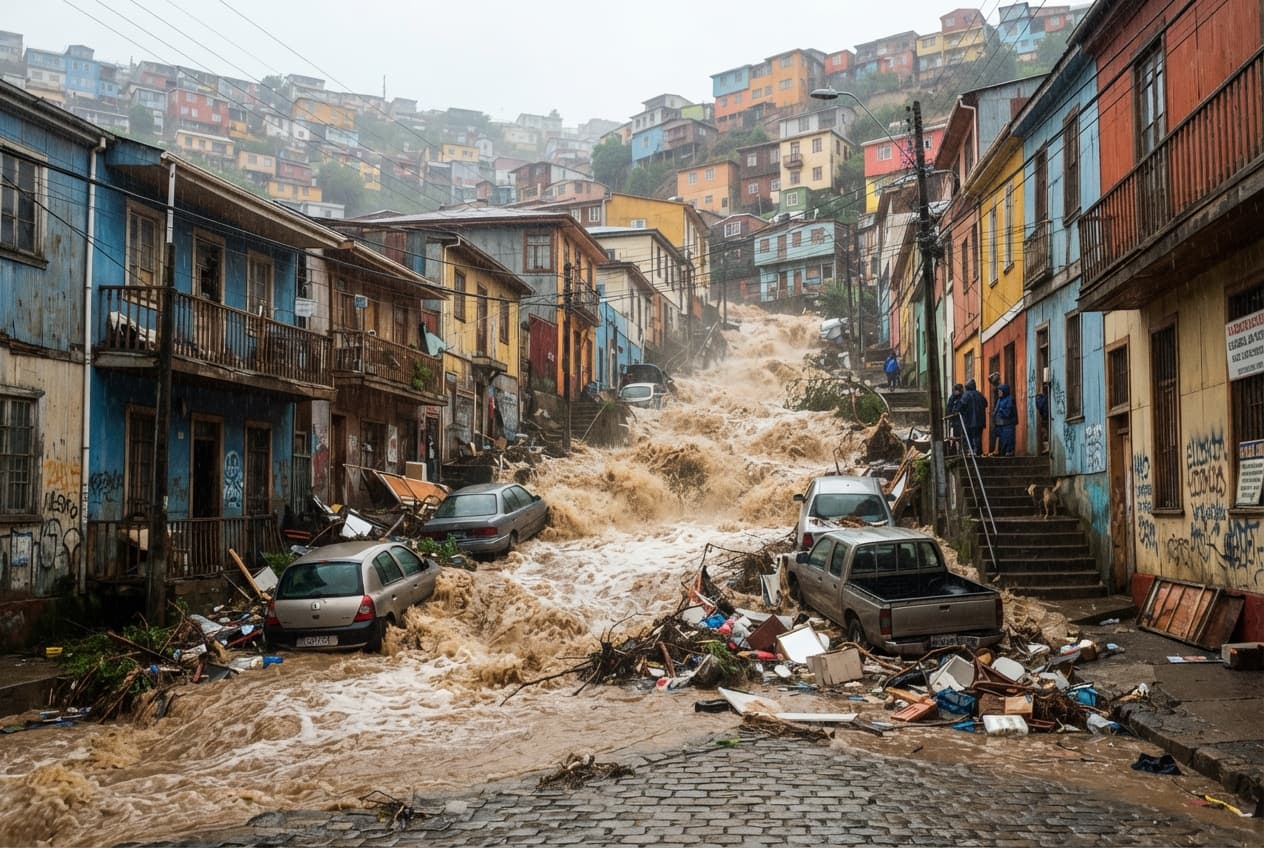
There are moments in a nation’s journey when familiar landmarks suddenly blur, and the path ahead seems uncertain under a shifting sky. In Iran, the recent reported death of Supreme Leader Ayatollah Ali Khamenei in the midst of intense conflict has brought such a moment — a historical pivot that draws the gaze of people close to home and distant alike. Just as a long‑used compass needle might waver in a storm, so too does leadership appear less certain when power and sacred authority intertwine in ways that shape not only the Islamic Republic but the wider Middle East.
In Tehran this week, constitutional mechanisms are being tested under the strain of war and political flux. Iran’s Assembly of Experts, a clerical body charged with selecting the nation’s next Supreme Leader, has convened amid an atmosphere of urgency and tension. Traditionally, this process has been conducted with solemn deliberation, reflecting both religious authority and the Republic’s foundational principles. But in the shadow of recent events, that deliberation now unfolds alongside a provisional leadership council tasked with guiding the country through the immediate transition.
While no final successor has been chosen, several figures have emerged repeatedly in discussions about who might fill the role once entrusted to Khamenei for nearly four decades. One such name is Ayatollah Alireza Arafi, a senior cleric with deep institutional ties, including roles within the Guardian Council and the Assembly of Experts. His presence within the provisional leadership and his longstanding clerical credentials give him visibility among traditionalists who value religious continuity.
Another prominent contender is Gholam‑Hossein Mohseni‑Ejei, head of Iran’s judiciary and a figure with strong support among conservative circles. His hardline positions and loyalty to the regime’s core structures have made him a candidate of interest to factions that prioritize doctrinal orthodoxy and internal security.
The legacy of the Islamic Republic’s founding casts another shadow on succession discussions. Hassan Khomeini, a grandson of Ayatollah Ruhollah Khomeini — the founder of the 1979 revolution — has been mentioned by analysts as a possible moderate option, though his lack of extensive political experience raises questions about his prospects. His name surfaces from time to time among figures seen as able to bridge internal divisions.
For many years before his death, Khamenei himself was believed to have designated preferred candidates in case of his own passing. Reports suggest that clerics such as Hojjat‑ol‑Eslam Mohsen Qomi and others close to the late leader were once considered part of a potential shortlist, though the intervening conflict has complicated the picture.
Beyond clerics, other power brokers loom in Iran’s political firmament, though they would face constitutional hurdles in becoming Supreme Leader. Ali Larijani, a seasoned political strategist and former national security official, is widely seen as a key figure in shaping the post‑Khamenei landscape. While he is not a senior cleric and thus not eligible for the supreme position under current law, his influence within the Islamic Revolutionary Guard Corps (IRGC) and among pragmatic conservatives could shape consensus or behind‑the‑scenes alliances.
Another name that periodically enters discussions is Mojtaba Khamenei, the late leader’s son. His rumored influence within Iran’s security establishment and connections to the Basij paramilitary have earned him mention as a potential successor. However, concerns about hereditary succession in a system that formally rejects dynastic rule may complicate his prospects.
The complex web of personalities and institutions underscores how intertwined Iran’s religious, political, and security hierarchies have become. The IRGC, in particular, looms as a stabilizing force in times of upheaval, potentially helping to shape the leadership dynamics as the country navigates this historic moment.
As the Assembly of Experts deliberates — a process whose details remain opaque to outside observers — Iran’s citizens and the international community alike await signals of how the next chapter will unfold. Whether a single figure emerges with broad legitimacy, or whether a compromise candidate emerges from the ranks of clerical and political elites, the outcome will reverberate far beyond Tehran’s walls.
In the weeks ahead, as constitutional procedures intersect with wartime pressures and ideological currents, Iran’s path to a new Supreme Leader will serve as both a reflection of internal cohesion and a test of the Republic’s resilience.
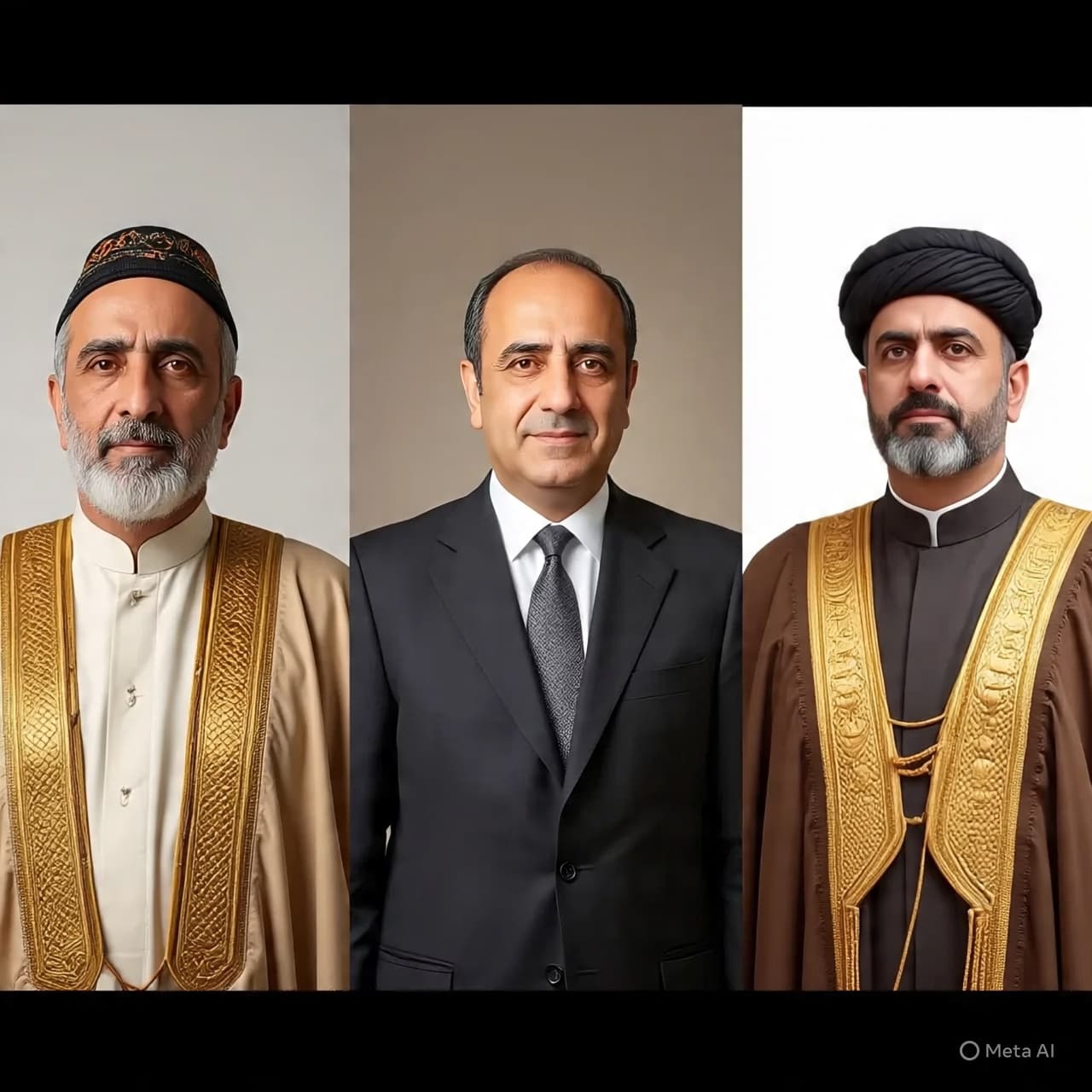
AI Image Disclaimer “Graphics are AI-generated and intended for representation, not reality.”
Sources Reuters, Time, Associated Press (AP News), The National, Gulf News.
Published by Banx Network. This article is part of the Banx decentralized media programme, powered by the BXE token on the XRP Ledger.