In the intricate dance of federal appointments, where loyalty and expertise often vie for precedence, a recent withdrawal has signaled a shift in the administration’s approach to immigration enforcement. The White House has pulled the nomination for the director of Immigration and Customs Enforcement (ICE), a candidate who was closely aligned with the now-former Department of Homeland Security (DHS) leadership. This move comes amidst a broader reshuffling at the top of DHS, reflecting the dynamic and sometimes turbulent nature of political alliances in Washington. It is a reminder that even the most steadfast partnerships can be subject to the changing winds of executive preference.
The nominee, whose identity had been closely tied to the agenda of the previous DHS secretary, found their path blocked as the administration sought to recalibrate its strategy. With Senator Markwayne Mullin recently appointed to lead DHS following the departure of Kristi Noem, the White House appears to be seeking a fresh start for ICE as well. The withdrawal suggests a desire to align the agency’s leadership more closely with the new secretary’s vision, ensuring unity in the execution of immigration policies. It is a strategic pause, allowing for reflection and realignment.
For the career officials at ICE, the uncertainty brings a mix of anxiety and anticipation. Leadership changes at such a high level can disrupt ongoing operations and morale, yet they also offer opportunities for new directions. Agents on the ground continue their work, focused on their duties regardless of the political maneuvering above them. However, the clarity of command is essential for effective enforcement, and the delay in confirming a new director leaves a temporary vacuum in strategic guidance.
The decision also highlights the intense scrutiny faced by immigration agencies in the current political climate. With public debate over border security and deportation policies reaching a fever pitch, every appointment is weighed for its symbolic and practical implications. By withdrawing the nominee, the White House may be attempting to avoid further controversy or to signal a change in tone. It is a delicate balance between maintaining firm enforcement and managing public perception.
Senator Mullin’s arrival at DHS brings a new perspective to the department. Known for his conservative stance and legislative experience, he is expected to bring a different energy to the role. The withdrawal of the ICE nominee allows him to have a say in the selection process, ensuring that the next director will be someone he can work with effectively. This collaboration is crucial for the smooth functioning of the department, which oversees a vast array of responsibilities.
Critics of the previous administration’s approach may view the withdrawal as a positive step, hoping for a more humane or efficient system. Supporters, meanwhile, may worry about delays in implementing key policies. The truth likely lies somewhere in between, as the administration seeks to optimize its operations without sacrificing its core objectives. The coming weeks will reveal whether this pause leads to a stronger, more cohesive leadership team.
For Congress, the withdrawal resets the confirmation clock. Senate committees will need to review a new candidate, a process that can be lengthy and contentious. The political dynamics in the Senate will play a significant role in determining who ultimately takes the helm at ICE. Bipartisan support, though rare in immigration debates, may be necessary to ensure a swift confirmation.
In the end, the withdrawal is a testament to the fluidity of political power. It reminds us that appointments are not just about individuals but about the broader strategy of an administration. As the White House searches for a new nominee, the focus remains on finding a leader who can navigate the complex challenges of immigration enforcement with skill and integrity. The journey continues, with the destination still to be determined.
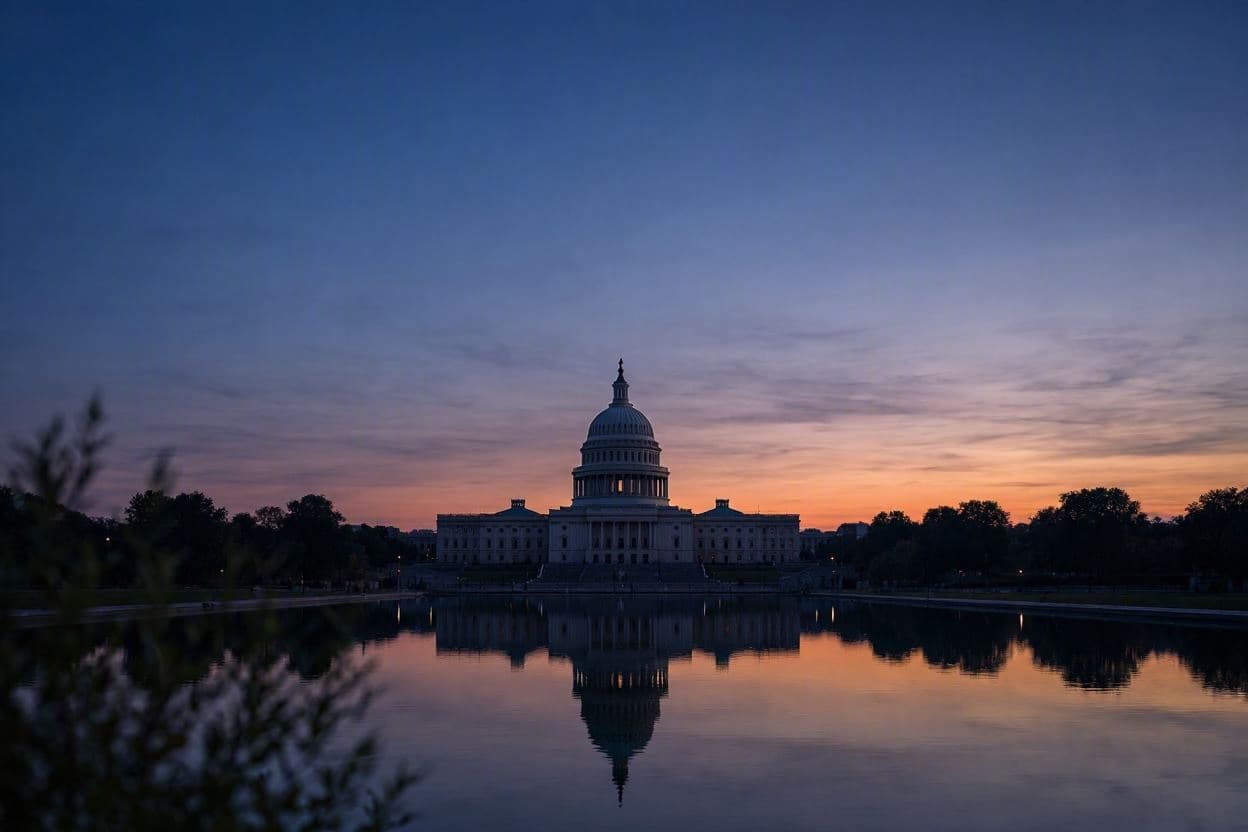
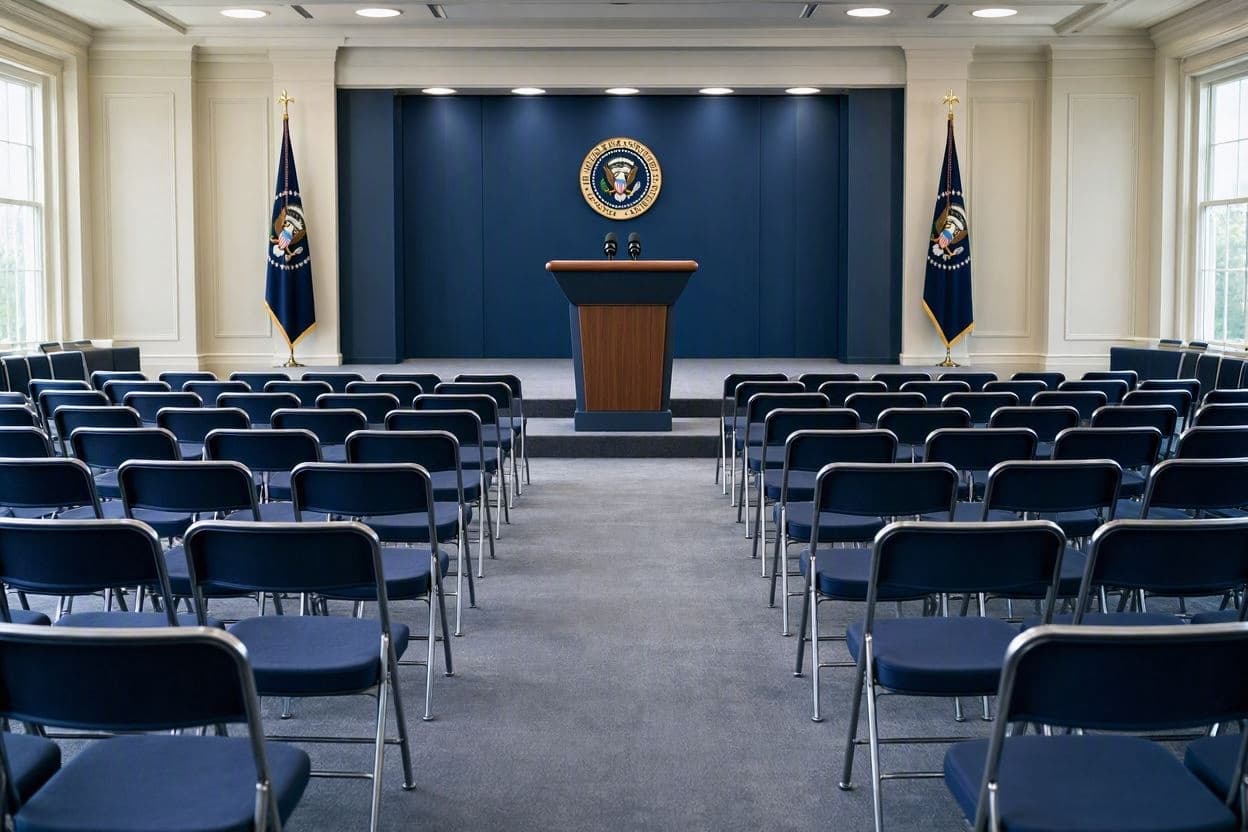
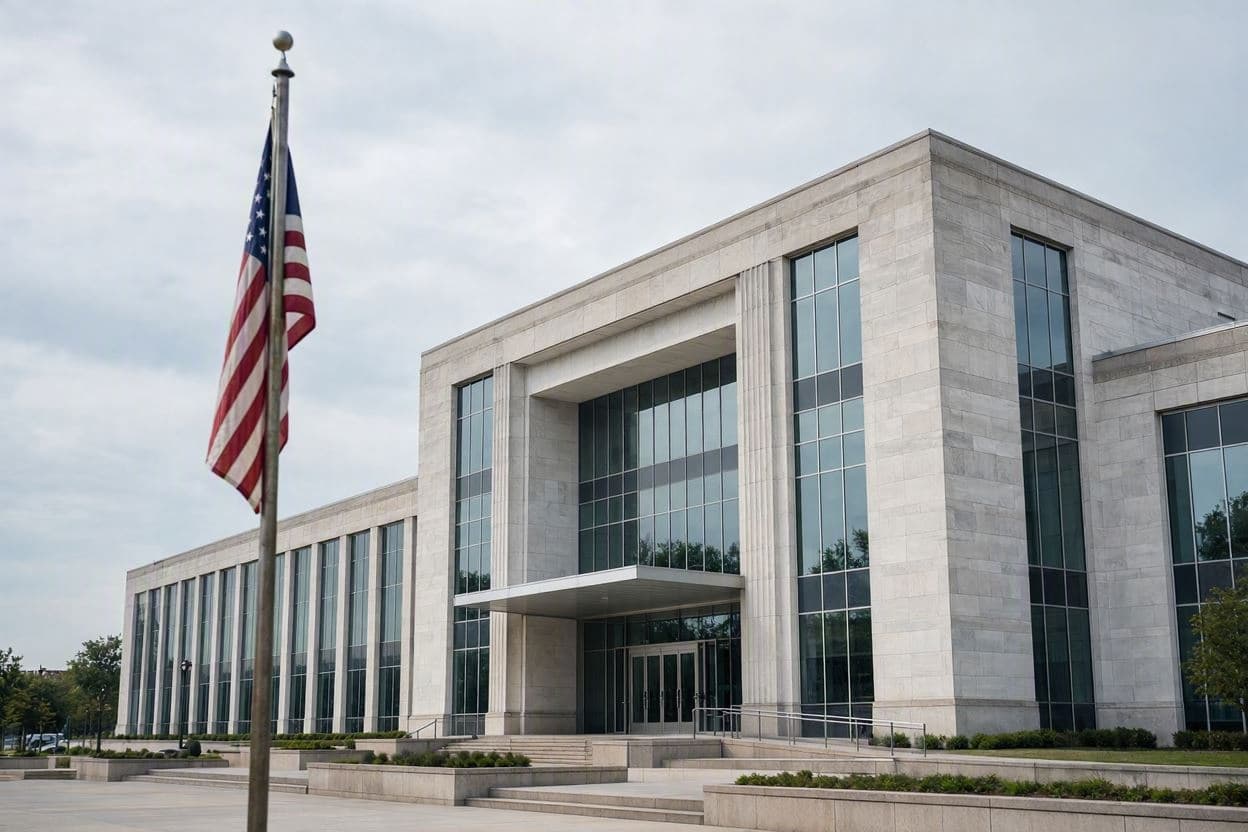
AI Image Disclaimer: The visual representations included here are AI-generated illustrations designed to depict government buildings and political concepts, not actual photographs of specific nominees or White House meetings.
Sources: NPR Politico NBC News
Published by Banx Network. This article is part of the Banx decentralized media programme, powered by the BXE token on the XRP Ledger.