The relationship between the press and the presidency has always been a delicate dance, a balance of power and scrutiny that defines democratic accountability. Recently, that dance stumbled as President Donald Trump announced an immediate ban on three major news organizations—CNN, MS NOW, and Politico—from the White House. Citing what he termed "constant fake news," the decision marks a significant escalation in the ongoing tension between the administration and certain media outlets. It is a move that invites reflection on the nature of truth, access, and the role of journalism in a polarized era.
The announcement came on a Friday afternoon, sending shockwaves through the media landscape. Press Secretary Karoline Leavitt confirmed that reporters from these organizations would no longer be granted credentials to enter the White House complex. The decision was framed as a response to what the administration perceives as biased and inaccurate reporting, particularly regarding economic policies and immigration issues. For the banned outlets, it represents a direct challenge to their ability to cover the executive branch firsthand.
CNN, MS NOW, and Politico quickly responded, condemning the ban as an attack on press freedom. Representatives from each organization stated that they would continue to report on the White House from the outside, relying on sources and official statements released to other media partners. They argued that excluding specific voices undermines the public’s right to diverse perspectives and robust debate. The ban does not extend to all media, with many other outlets retaining their access, creating a fragmented information environment.
Historically, the White House has maintained a broad pool of credentialed journalists to ensure transparency. While previous administrations have had contentious relationships with the press, outright bans on major organizations are rare. This action raises questions about the precedents being set for future administrations. Legal experts note that while the president has discretion over who enters the White House, such exclusions may face legal challenges based on First Amendment principles and established norms of press access.
The impact on daily reporting is immediate and tangible. Journalists from the banned outlets will no longer attend briefings, travel on presidential trips, or have direct access to senior officials. They must rely on secondhand information, which can lead to delays and potential misinterpretations. This shift places a greater burden on remaining reporters to verify facts and share information across organizational lines, fostering a new kind of collaborative journalism born out of necessity.
Public reaction has been mixed, reflecting the broader divide in American society. Supporters of the president view the ban as a justified stand against misinformation, while critics see it as an authoritarian move that stifles dissent. The debate extends beyond politics into the realm of civic culture, prompting discussions about how citizens consume news and determine credibility. In an age of digital fragmentation, the definition of "fake news" itself remains a contested and subjective term.
For the journalists affected, the ban is both a professional hurdle and a personal challenge. Many have built careers on covering the White House, developing sources and insights that inform their reporting. Being excluded from this space forces them to adapt, finding new ways to hold power accountable without direct access. Their resilience highlights the enduring commitment of the press to serve the public interest, even in the face of significant obstacles.
As the ban takes effect, the White House press corps finds itself in uncharted territory. The exclusion of CNN, MS NOW, and Politico underscores the deepening rift between the administration and parts of the media. While the immediate consequences are clear, the long-term implications for press freedom and democratic discourse remain to be seen. It is a moment that calls for vigilance, dialogue, and a renewed commitment to the principles of open and honest communication.
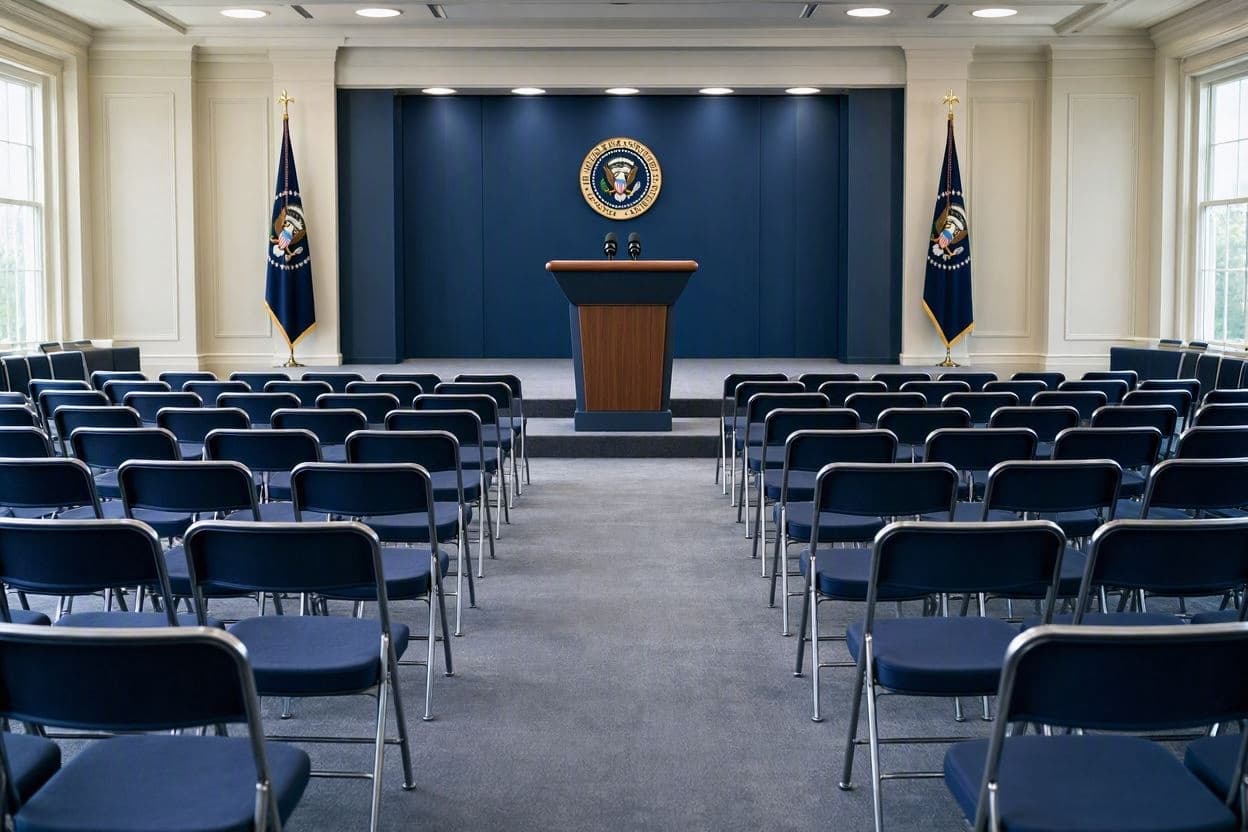
AI Image Disclaimer: Please note that any accompanying images for this article are AI-generated representations intended for illustrative purposes only.
Sources: NBC News, The Hill, Politico, Associated Press, The Times
Published by Banx Network. This article is part of the Banx decentralized media programme, powered by the BXE token on the XRP Ledger.