In the gentle sway of orchard trees and the rustle of drying leaves, there lies a story of potential long overlooked — one rooted in the modest cashew nut, a crop once known as “white gold” for its promise to coastal livelihoods. Today, that promise is being revisited, as Kenya’s government moves to revive its struggling cashew nut industry, hoping to sow not only seedlings but renewed economic opportunity across the nation’s eastern shores.
Agriculture Cabinet Secretary Mutahi Kagwe described the revival strategy during a visit to Kilifi County, where cashew farmers and processors lament that historical declines in production have cost the country jobs, incomes and export revenue, even as global demand for cashews continues to rise. Currently, Kenya produces only about 13,000 tonnes annually, a fraction of the 45,000‑tonne processing capacity installed in the country — a gap that underscores how much potential remains untapped.
The government’s approach is rooted in science and support for farmers. Researchers at the Kenya Agricultural and Livestock Research Organisation (KALRO) Mtwapa Centre have developed a disease‑tolerant, high‑yielding cashew variety designed to boost productivity. Tens of thousands of improved seedlings are already slated for distribution in the coming long rains, with more varieties expected soon.
But revival is not just about seedlings. Authorities emphasise stronger coordination among national and county agencies, including distribution of high‑quality stock by the Agriculture and Food Authority (AFA), technical guidance from the Kenya Plant Health Inspectorate Service (KEPHIS), and enhanced extension services to help farmers adopt good agronomic practices such as optimal spacing and intercropping.
The economic stakes are significant. Officials estimate that a fully revitalised cashew sector could create up to 350,000 jobs along the value chain — from farming and harvesting to processing, transport and exports — and contribute more than Sh30 billion to the national gross domestic product. Those figures paint a picture of transformation, especially for coastal communities where cashew cultivation once anchored livelihoods.
Local processors also have a role to play. Companies such as East River Foods EPZ and Nuts and More Processing EPZ have invested in local processing capacity, but persistent raw material shortages have limited their ability to operate at full scale. Reviving production at the farm level could help match processing potential with supply, reducing reliance on imports and strengthening value addition within Kenya.
Yet challenges remain. Years of under‑investment, ageing orchards and fragmented farmer support have sapped production, prompting many growers to abandon cashew for other crops. Overcoming these obstacles requires not just technical fixes but a whole‑of‑government effort — one that aligns research, policy, infrastructure and market access in a coherent master plan.
Still, for many farmers who remember cashew’s heyday, and for a new generation looking for agricultural opportunities at home, the current revival initiative signals more than a policy shift. It carries the hope of restored incomes, expanded jobs and a more resilient rural economy — the very essence of what can grow when fields are tended with both care and conviction.
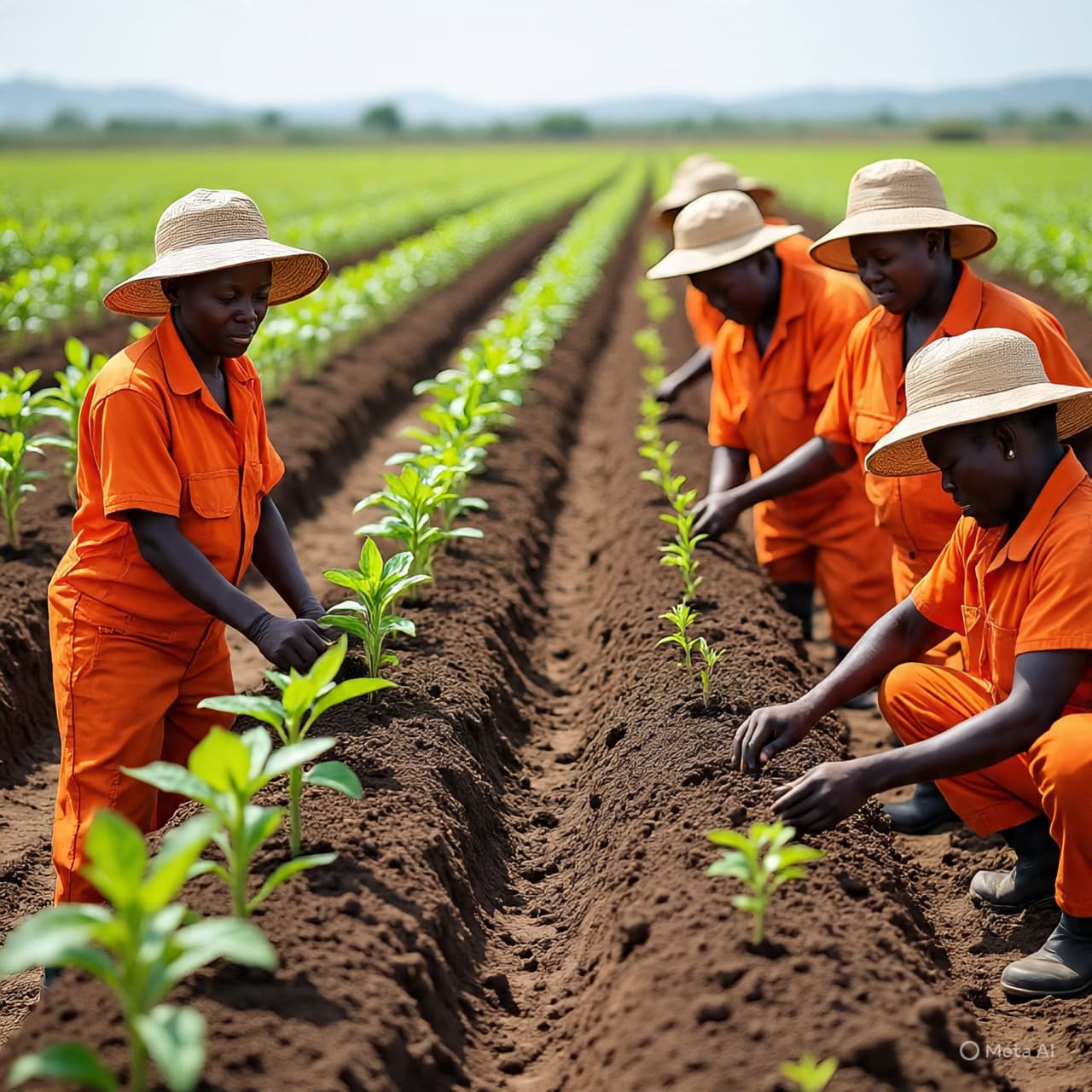
AI Image Disclaimer “Visuals are created with AI tools and are not real photographs, intended for conceptual representation.”
Sources Xinhua — Kenya seeks to revive cashew nut industry to boost economy detailing job potential and new varieties. Capital Business (Capital FM) — Cashew nuts revival to create 350,000 jobs, add Sh30bn to GDP, outlining strategy and challenges.
Published by Banx Network. This article is part of the Banx decentralized media programme, powered by the BXE token on the XRP Ledger.