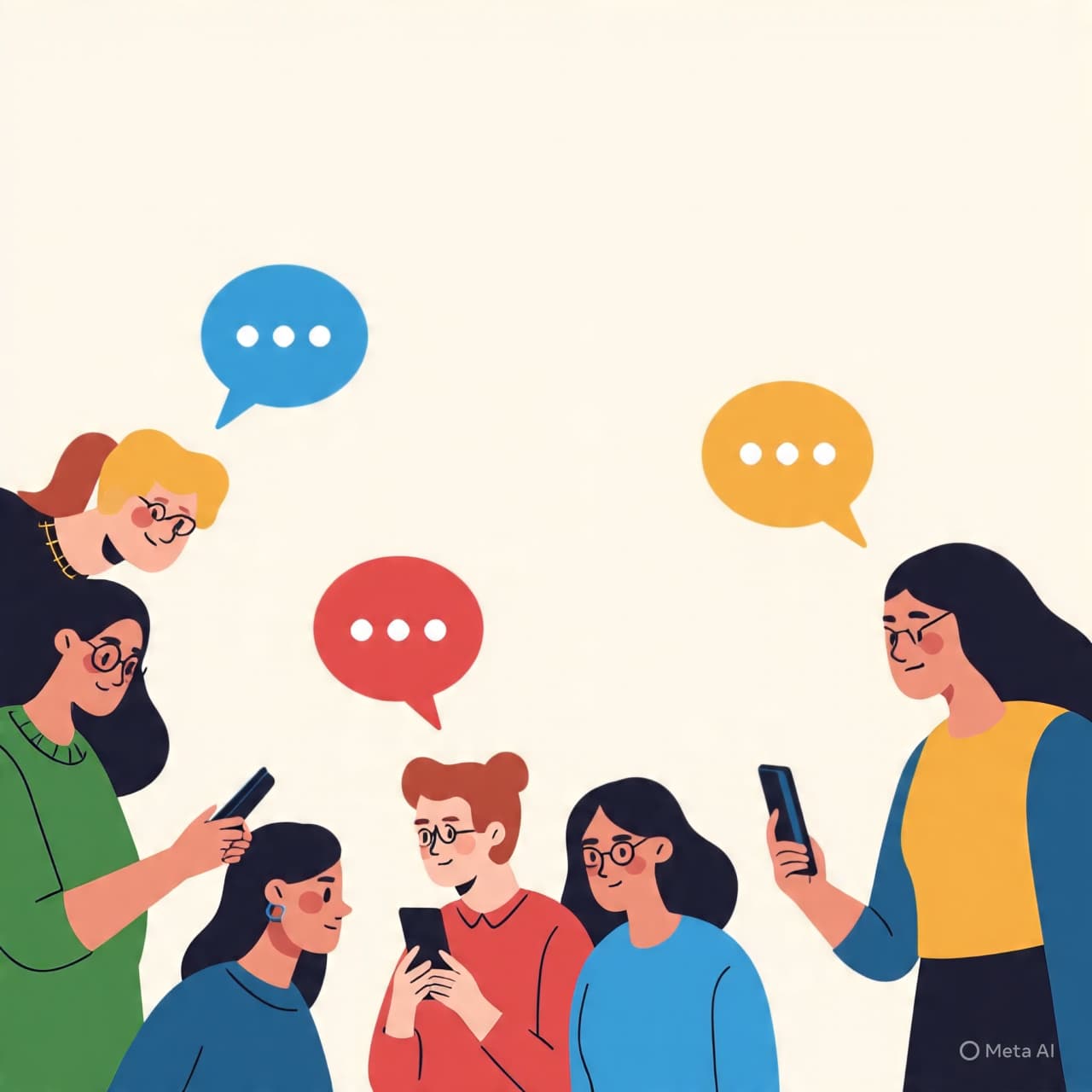
In the soft dawn of digital chatter, where videos drift like dandelion seeds across screens and through minds, a question now lingers in the virtual air: are some voices finding fertile soil, while others float, unheard? This is the gentle backdrop to a new concern voiced by California Governor Gavin Newsom — a question not of loud accusations, but of wondering whether the pathways of our shared online spaces carry all words with equal warmth.
In recent days, Governor Newsom has raised concerns that TikTok, the ubiquitous platform known for short videos and swift trends, may be suppressing content critical of former President Donald Trump. In a statement shared on social media, he said his office had seen reports — and assessments his team made independently — suggesting that videos critical of Mr. Trump were not receiving the visibility they might expect in a space meant for open exchange.
To explore these concerns, Newsom announced a review of TikTok’s content moderation practices to see if they align with California law. This move comes amid a broader transition for the app: after years of national political debate over privacy and national security risks, the company’s U.S. operations were recently restructured under majority American ownership in an effort to avoid a nationwide ban.
From the platform’s perspective, what looked like a shadow over certain content was, they say, a technical fault — a cascading systems failure caused by a data center outage that affected posting and visibility for many users. They emphasised that the network issues have been addressed and that there was no deliberate intent to curb particular voices.
Beyond official statements, individual creators and public figures raised their own experiences of unexpectedly low engagement on posts about political topics, sometimes involving sensitive words or themes. These personal stories have stirred wider curiosity and concern about how algorithms and moderation decisions shape what millions see — or do not see — in their everyday scrolling.
At its heart, the conversation reflects a broader challenge of our times. In an era where social media feels like a public square, questions about fairness, transparency, and access to diverse viewpoints float to the surface like leaves on a river, urging us to ponder how we want our digital commons to grow.
As this review unfolds, both critics and the platform itself watch closely. What emerges may influence not just how one company operates, but how users across generations understand the subtle interplay between technology and free expression in a world that moves at the speed of a swipe.
In the gentle cadence of these developments, the thread of inquiry remains open: Can shared spaces of conversation remain spaces where all ideas find their rightful place — not by force, but through clarity and care in how the digital soil is tended?
AI Image Disclaimer (Rotated)
Visuals are created with AI tools and are not real photographs, and are intended for representation only.
---
Sources
Reuters
The Guardian
Los Angeles Times
NBC Los Angeles
France24
Published by Banx Network. This article is part of the Banx decentralized media programme, powered by the BXE token on the XRP Ledger.