Time has a way of stretching out justice, turning moments of acute tragedy into long arcs of legal procedure and historical reflection. More than two decades after the attacks that reshaped the global landscape, the legal journey of those accused of orchestrating the violence continues. The recent announcement that Khalid Sheik Mohammed will face a military tribunal trial in 2028 marks another significant milestone in a process defined by its complexity and its enduring weight on the national conscience.
Khalid Sheik Mohammed, often referred to as KSM, has been held at the detention facility in Guantanamo Bay since his capture in 2003. As the alleged mastermind behind the September 11 attacks, his case has been mired in procedural delays, legal challenges, and debates over the appropriate venue for such trials. The decision to proceed with a military commission rather than a federal civilian court reflects ongoing tensions regarding national security, evidentiary standards, and the rights of the accused.
The scheduling of the trial for 2028 comes after years of pre-trial hearings and negotiations between the defense and prosecution teams. These proceedings have often been contentious, focusing on issues such as the admissibility of evidence obtained through enhanced interrogation techniques and the logistical challenges of conducting a trial of this magnitude. The delay has been a source of frustration for many families of the victims, who have waited decades for a final resolution.
Legal experts note that military commissions operate under different rules than civilian courts, which can lead to prolonged litigation. The goal is to ensure a fair process while addressing the unique sensitivities of cases involving terrorism and classified information. However, the extended timeline raises questions about the efficiency and effectiveness of the current system in delivering timely justice.
For the families of the nearly 3,000 people killed in the attacks, the announcement brings a mix of relief and renewed anticipation. Many have attended previous hearings, seeking closure and accountability. The prospect of a trial date provides a tangible horizon, even if it remains several years away. Their resilience and continued advocacy have been central to keeping the case in the public eye.
The broader implications of the trial extend beyond the courtroom. It serves as a reminder of the lasting impact of the 9/11 attacks on American law, policy, and society. The proceedings will likely revisit painful memories and scrutinize the actions taken in the aftermath of the attacks, including the use of Guantanamo Bay as a detention center.
As the date approaches, attention will focus on the preparation of both sides. The prosecution must present a compelling case based on available evidence, while the defense will continue to challenge procedural aspects and seek protections for their client. The outcome will be watched closely by historians, legal scholars, and the international community.
The Pentagon has confirmed the 2028 timeline, stating that preparations are underway to ensure a orderly and fair process. Meanwhile, victim advocacy groups continue to call for transparency and accountability as the nation moves closer to this next chapter in its legal history.
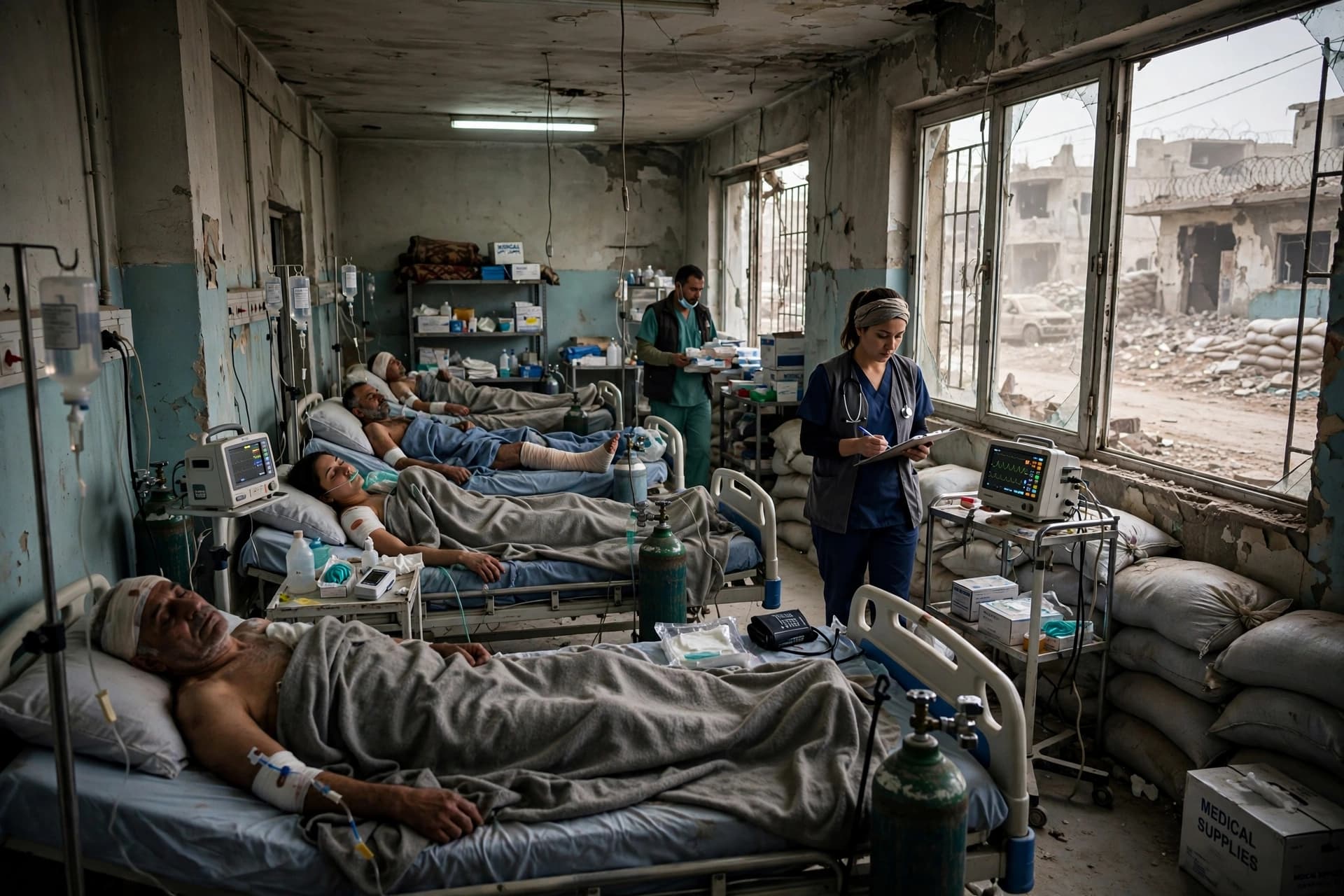
AI Image Disclaimer: Please note that any accompanying visuals for this piece are AI-generated representations intended to illustrate the thematic context of legal proceedings and historical reflection.
Sources: The New York Times Associated Press Reuters BBC News The Washington Post
Published by Banx Network. This article is part of the Banx decentralized media programme, powered by the BXE token on the XRP Ledger.