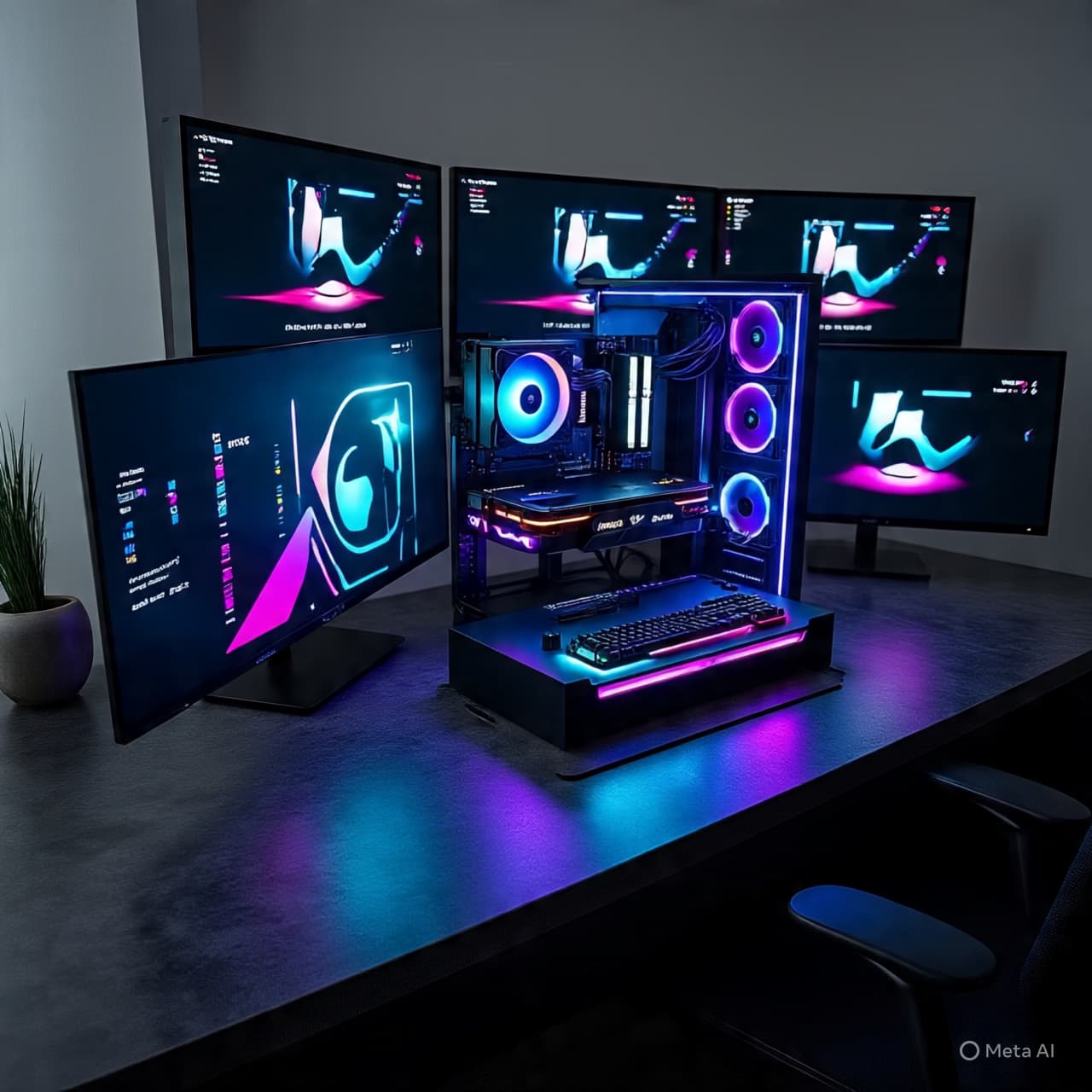
In the quiet hum of computing labs and the glow of benchmark screens, the Ryzen 7 9850X3D rests as a testament to precision engineering. Enthusiasts have long chased higher memory speeds, believing that DDR5-6000 would unlock untold performance over DDR5-4800. Yet AMD’s latest claim suggests the difference is less than a single percent in frames per second.
For many, this might seem almost invisible—a ripple on the surface of a vast digital pond. Yet beneath it lies a subtle lesson in architectural elegance: the synergy of stacked cache and optimized design can outweigh the raw allure of faster memory. In a world where gamers and PC builders measure success in fractions of frames, the 9850X3D reminds us that refinement often surpasses brute force.
The announcement comes at a time when memory markets fluctuate and enthusiasts chase every increment of speed. AMD’s statement reframes the conversation, emphasizing harmony between processor and memory rather than chasing marginal gains. Users are left to consider whether the pursuit of DDR5-6000 is worth the cost or if DDR5-4800 offers a quieter, more efficient path.
In the end, the story of performance is rarely dramatic. It is measured in balance, in efficiency, and in the nearly imperceptible difference between expectation and reality. For the Ryzen 7 9850X3D, that balance appears nearly perfect, whispering that sometimes, less is truly more.
AI Image Disclaimer: “Visuals are AI-generated and serve as conceptual representations.”
Sources: AMD, Tom’s Hardware, AnandTech, TechSpot, PC Gamer
Published by Banx Network. This article is part of the Banx decentralized media programme, powered by the BXE token on the XRP Ledger.