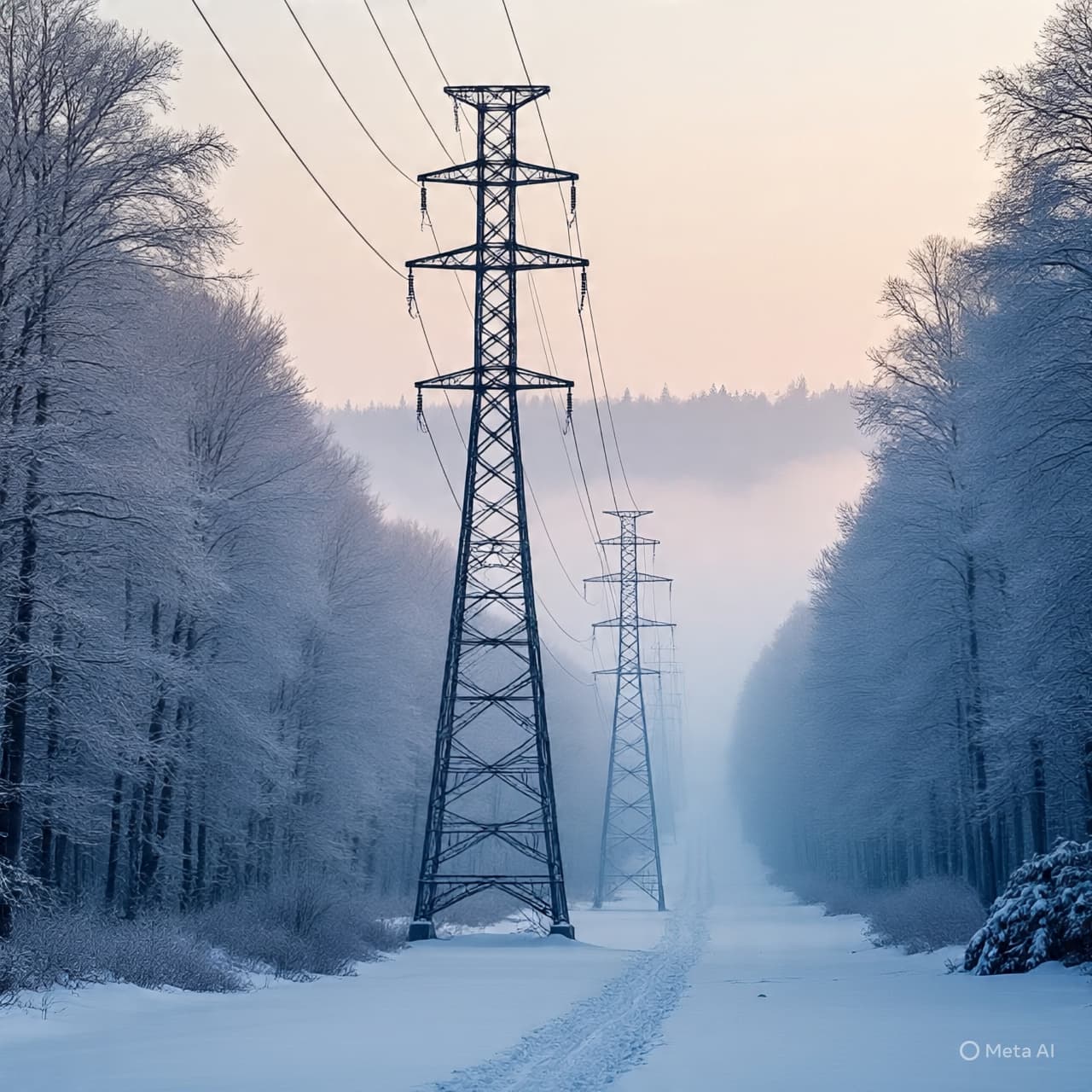
In the vast quiet of northern New England, where the forest deepens with winter’s approach and snow settles across hills and valleys, a ribbon of infrastructure has awakened with a low, steady hum. After years of debate, legal battles, and public resistance, the controversial power corridor known as the New England Clean Energy Connect has begun commercial operations, sending electricity across its long stretch from Canada into the New England grid.
For those who followed its slow and often contentious journey from proposal to completion, the moment feels both inevitable and unsettled. The transmission line, built to carry hydropower from Quebec into the region’s energy system, has long stood at the intersection of competing visions: a cleaner energy future on one hand, and the preservation of rural landscape and local autonomy on the other.
When the project first emerged, it stirred passionate opposition across Maine. Critics raised alarms about forest fragmentation, wildlife disruption, and the precedent of carving industrial corridors through largely undeveloped land. The resistance reached a peak when voters approved a statewide referendum aimed at halting the project, a decision that was later overturned through court rulings that allowed construction to resume.
Now, with the corridor active, its purpose shifts from abstraction to function. The line is capable of delivering more than a thousand megawatts of hydropower into the regional grid, a scale that supporters say will help reduce reliance on fossil fuels, stabilize energy supplies, and support long-term climate goals across New England. From distant reservoirs, electricity now travels southward, passing through terrain that once symbolized the heart of the dispute.
Yet for communities along the route, the beginning of operations does not erase memory. The corridor remains a visible reminder of years spent in hearings, protests, and courtrooms, of signs posted along roads and conversations held at kitchen tables about who decides what progress looks like. For many residents, the question was never solely about energy, but about voice, process, and the weight of regional priorities placed upon local land.
As power begins to flow steadily, its effects will be measured in quieter ways: in grid stability, in emissions accounting, in the economics of regional energy markets. Whether those outcomes will ease lingering resentment or deepen it remains uncertain. Infrastructure, once built, does not argue its case — it simply operates, leaving interpretation to those who live beside it.
The corridor now stands as both a working asset and a lasting symbol. It carries electricity, but also the accumulated meaning of compromise, contention, and the uneasy balance between environmental ambition and the landscapes asked to host it.
In clear terms, the New England Clean Energy Connect transmission line — often called the CMP corridor — has entered commercial operation, delivering hydropower from Quebec into the New England grid following years of legal challenges, political conflict, and public debate.
AI Image Disclaimer Illustrations were created using AI tools and are not real photographs.
Sources (Media Names Only) Associated Press WABI WMTW
Published by Banx Network. This article is part of the Banx decentralized media programme, powered by the BXE token on the XRP Ledger.