Before a storm reaches the coast or the ground begins to move, there are often signals hidden in the landscape. Sensors detect changes, satellites observe movement, and monitoring systems collect information that can provide precious minutes of preparation. In Jakarta this month, those technologies came together as Indonesia showcased a growing ecosystem for disaster prevention and response.
The Emergency Disaster Reduction and Rescue Expo 2026 was held from August 12 to 14 at Jakarta International Expo in Kemayoran. More than 80 domestic and international companies participated, presenting disaster-management technology, emergency equipment and safety systems. (en.antaranews.com)
The exhibition brought together government institutions, technology companies, emergency organizations and other participants working across disaster management. The program included conferences, emergency simulations and business-matching sessions designed to connect technology developers with organizations responsible for disaster preparedness.
Early-warning systems were among the technologies receiving attention. Their purpose is straightforward but demanding: information must reach authorities and communities early enough for meaningful action to take place.
Indonesia faces a particularly broad range of natural hazards. Earthquakes, tsunamis, volcanic eruptions, floods, landslides and wildfires can occur across different regions, often under very different geographic and climatic conditions. Technology therefore has to work across environments rather than within a single type of landscape.
The exhibition also featured rescue technologies, including remotely operated equipment and systems designed to assist emergency teams. During the event, Basarnas personnel demonstrated an ROV known as Multipluto, illustrating how remotely operated technology can support search and rescue operations. (en.antaranews.com)
Artificial intelligence is also becoming part of disaster-management systems. AI can assist with processing large quantities of information, identifying patterns and supporting risk analysis. When combined with sensors, communications networks and geographic data, these systems can provide emergency agencies with a broader picture of rapidly changing conditions.
But technology remains only one part of preparedness. A warning system can detect an approaching hazard, but its value depends on communications, evacuation routes, public awareness and the ability of emergency agencies to act quickly.
That connection between information and action was central to the message surrounding EDRR 2026. Indonesian officials emphasized that technological development should lead to practical disaster-response improvements rather than remaining inside control rooms or exhibition halls. (en.antaranews.com)
The exhibition also reflects Indonesia's interest in developing domestic disaster-management capabilities. Rather than relying entirely on imported systems, authorities are encouraging technology transfer, joint research and investment that can strengthen local industries and expertise.
With thousands of disasters recorded in Indonesia each year, the demand for better preparedness remains substantial. The challenge is not simply to predict hazards more accurately, but to build a chain that connects detection, communication, decision-making and response.
EDRR 2026 has now concluded, but the technologies displayed there remain part of an expanding disaster-management ecosystem. Indonesia's continuing effort is focused on making early information more useful, rescue operations more capable and technological systems more closely connected to the communities they are intended to protect.
Image Disclaimer
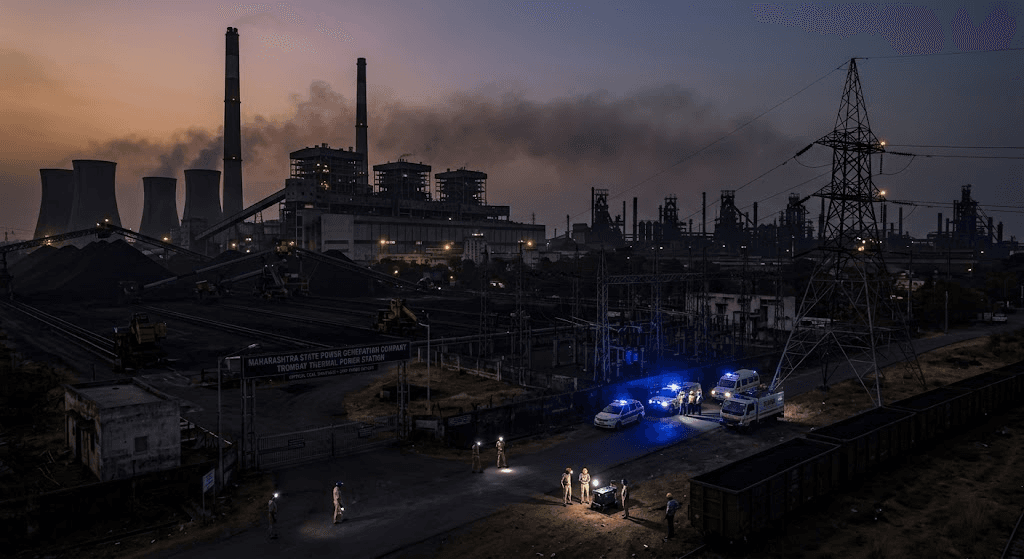
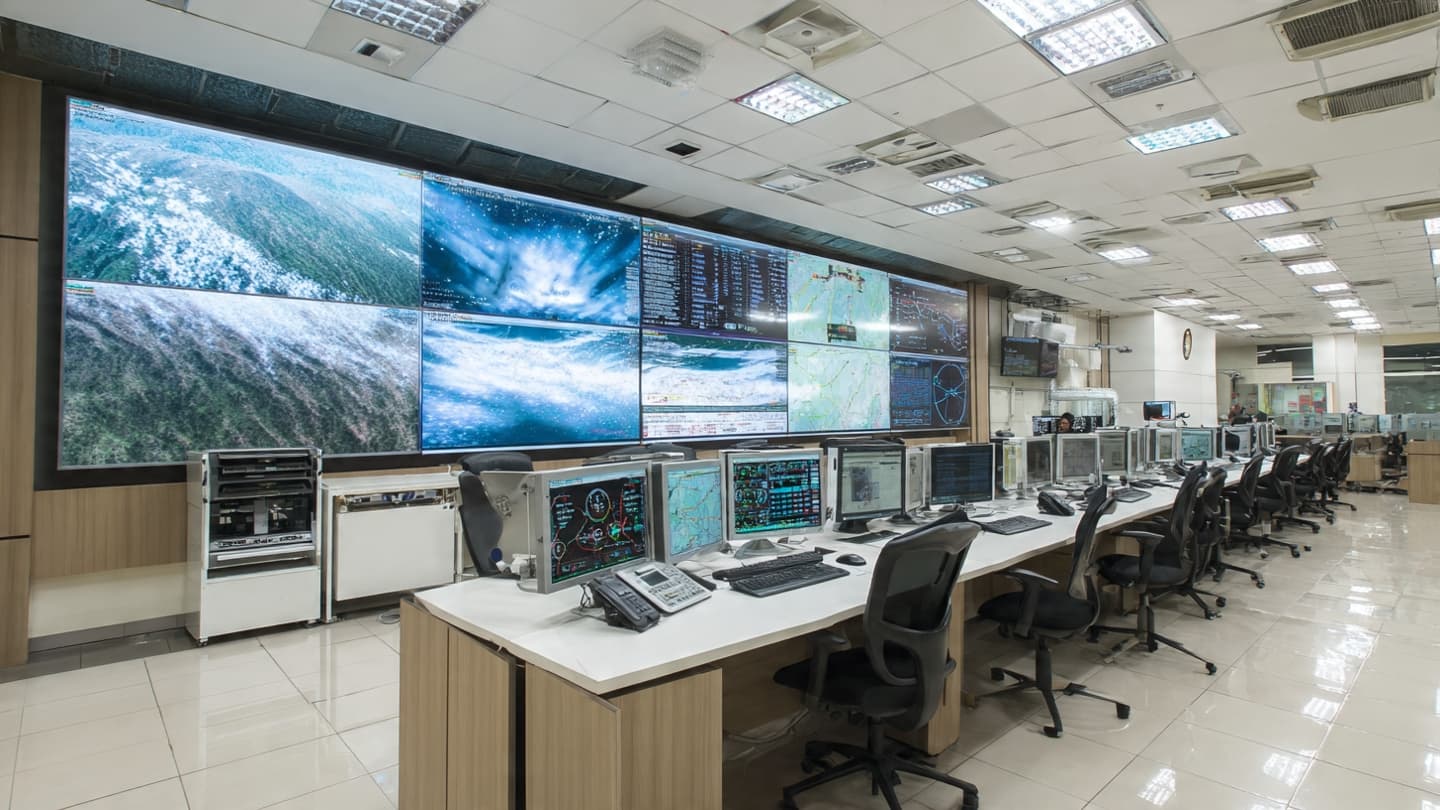
The illustrations are AI-generated visualizations of disaster-management technologies and do not represent actual photographs from the EDRR Expo.
Sources
ANTARA BNPB BASARNAS BMKG EDRR Indonesia
Published by Banx Network. This article is part of the Banx decentralized media programme, powered by the BXE token on the XRP Ledger.