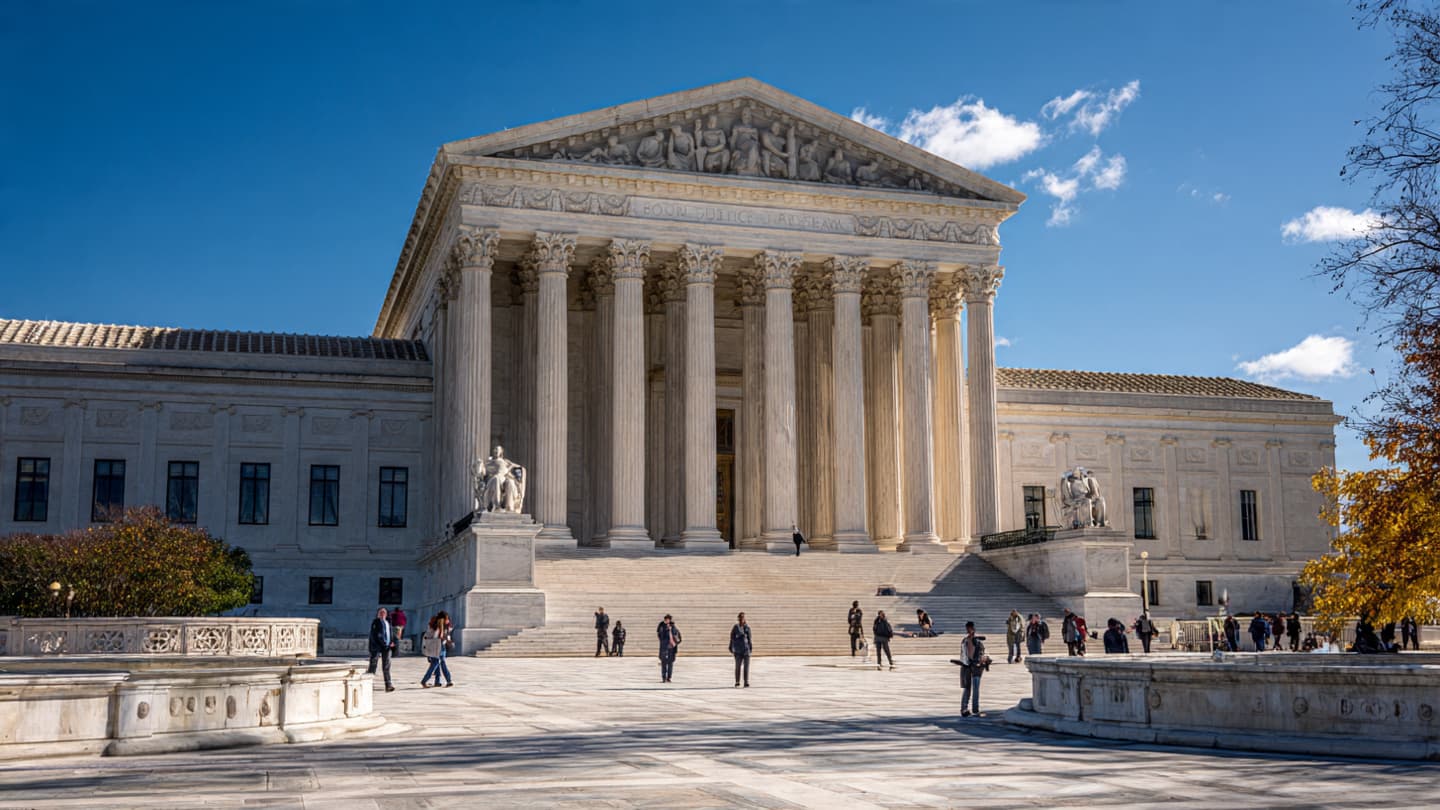
The law often moves like a river through changing landscapes, carrying longstanding principles while adapting to new realities. In the United States, the Supreme Court’s recent decision concerning firearm ownership and marijuana users reflects the continuing challenge of applying established constitutional interpretations to evolving social and legal circumstances.
The case centered on whether restrictions affecting individuals who use marijuana are consistent with federal firearm regulations. The issue has gained prominence as many states have legalized or decriminalized marijuana in some form, even while federal law continues to classify the substance differently.
Legal scholars have noted that the case sits at the intersection of two significant policy debates. One concerns gun rights protected under the Second Amendment, while the other involves changing public attitudes and state laws regarding cannabis use.
The Supreme Court’s ruling is expected to influence how lower courts evaluate similar disputes in the future. Judicial decisions from the nation’s highest court often establish frameworks that guide legal interpretation across the country.
Supporters of stricter firearm regulations argue that public safety considerations remain an important factor when evaluating eligibility for gun ownership. They point to longstanding restrictions that apply in certain circumstances involving substance use and other risk factors.
Meanwhile, advocates of broader gun rights have questioned whether individuals who legally use marijuana under state law should face restrictions that do not apply to users of some other legal substances. The differing legal status of marijuana at state and federal levels has complicated many policy discussions.
The ruling arrives amid ongoing national debates about firearm regulation, constitutional rights, and public safety. These issues continue to generate substantial legislative and judicial attention across the United States.
Legal experts suggest that the decision may encourage further litigation as courts and policymakers examine related questions. The relationship between federal authority, state law, and constitutional protections remains an area of active legal development.
While debate is likely to continue, the Supreme Court’s decision adds another important chapter to an evolving legal landscape. As society and law continue to interact, courts remain central arenas where complex questions about rights, responsibilities, and public policy are addressed.
AI Image Disclaimer: Visuals accompanying this article are AI-generated illustrations and are not actual photographs from the reported events.
Source Verification Check: Reuters, Associated Press, NPR, The New York Times
Published by Banx Network. This article is part of the Banx decentralized media programme, powered by the BXE token on the XRP Ledger.