Morning trains pull into India’s cities with familiar persistence, carrying young men and women whose résumés are heavy with certificates and hope. They step onto platforms already crowded with expectation, clutching degrees that promised motion and momentum. The country has taught them skills, named them employable, and sent them forward. What it has not always offered is a place to land.
Over the past decade, India’s push toward becoming a “skilled” nation has unfolded with ambition and scale. Training centers multiplied, enrollment targets rose, and new programs sought to align education with a rapidly changing economy. Millions were counted, assessed, certified. On paper, the numbers suggested progress — a workforce increasingly prepared for modern industry, technology, and services.
Yet beyond the spreadsheets and policy speeches, the labor market has remained stubbornly selective. Employment growth has not kept pace with the swelling ranks of trained youth. Many who complete skill programs find themselves circling the same limited opportunities, competing for positions that value experience over certification or automation over manpower. The promise of readiness meets the reality of scarcity.
Part of the disconnect lies in where skills are taught and where jobs actually emerge. Training often emphasizes standardized modules, while employers seek adaptability, problem-solving, and familiarity with real workplaces. The result is a quiet mismatch — not dramatic enough to make headlines, but persistent enough to shape lives. A welder trained without exposure to factory floors, a coder without project experience, a technician certified for roles that no longer expand.
India’s broader employment landscape adds further complexity. Agriculture continues to shed labor without absorbing alternatives ready at scale. Manufacturing, long expected to anchor mass employment, has grown cautiously, shaped by capital-intensive processes rather than labor-heavy expansion. Services absorb talent unevenly, favoring urban centers and advanced skill sets. For many, the ladder exists, but its rungs are unevenly spaced.
In smaller towns and semi-urban districts, this gap is felt most acutely. Skill certificates hang on walls as quiet reminders of effort, while informal work fills the days. The distinction between being trained and being employed becomes painfully clear — one recognized by the state, the other by survival. The disappointment is not loud, but it is widespread.
As policymakers reflect on outcomes, the challenge now appears less about scale and more about alignment. Employment is not created by training alone; it requires industries that grow, enterprises that hire, and ecosystems that value human contribution alongside efficiency. Without this balance, skill development risks becoming a waiting room rather than a doorway.
India’s demographic moment continues to move forward, indifferent to policy cycles. Each year adds millions more to the workforce, each with expectations shaped by education and effort. Whether the country can translate skill into opportunity remains an open question — one not answered by intent, but by outcomes that touch everyday lives.
For now, the trains keep arriving. The platforms remain crowded. And the test of employment, more demanding than certification, waits patiently for a response.
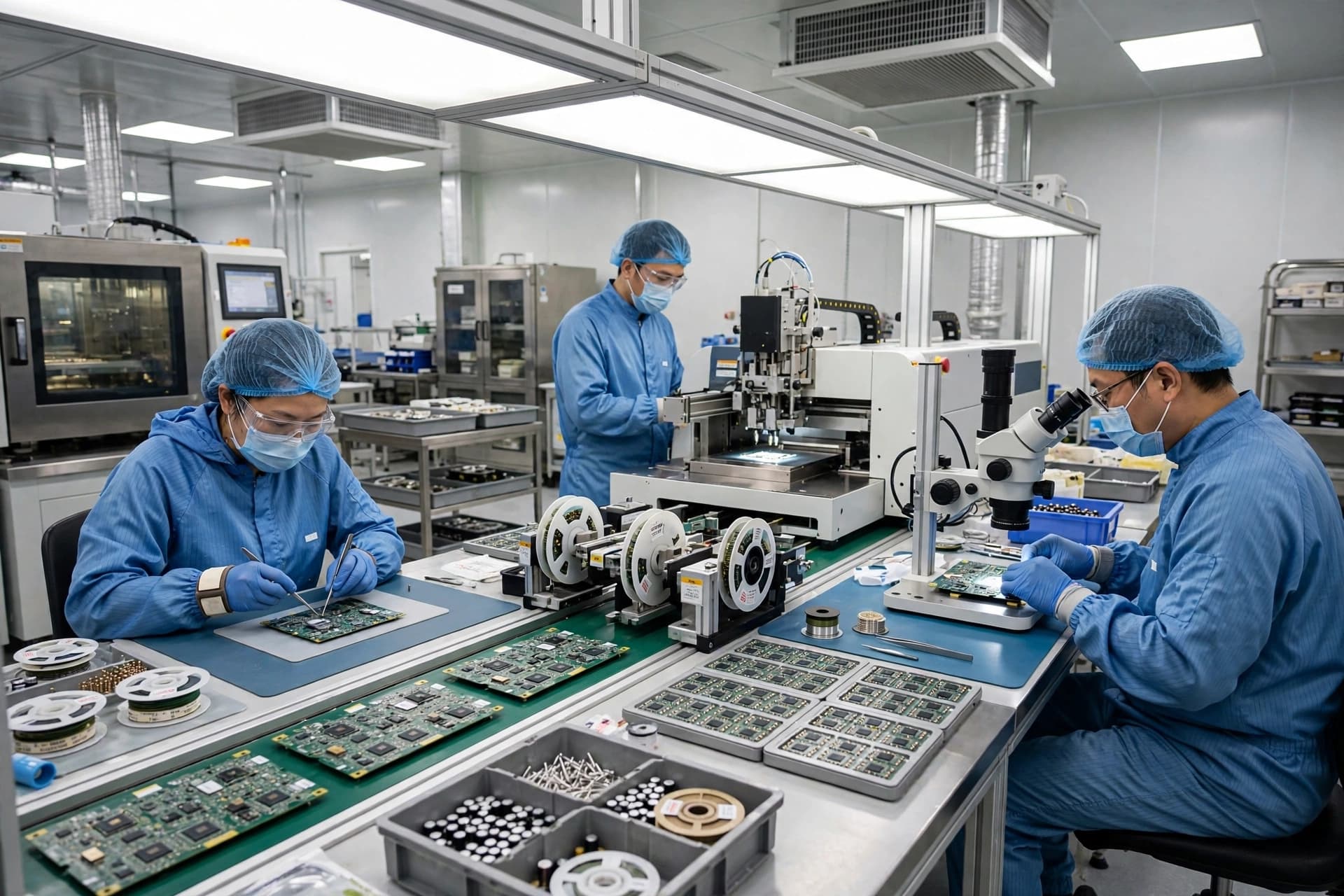
AI Image Disclaimer “Visuals are AI-generated and serve as conceptual representations.”
Sources Deccan Herald Periodic Labour Force Survey (India) Ministry of Skill Development and Entrepreneurship World Bank International Labour Organization
Published by Banx Network. This article is part of the Banx decentralized media programme, powered by the BXE token on the XRP Ledger.