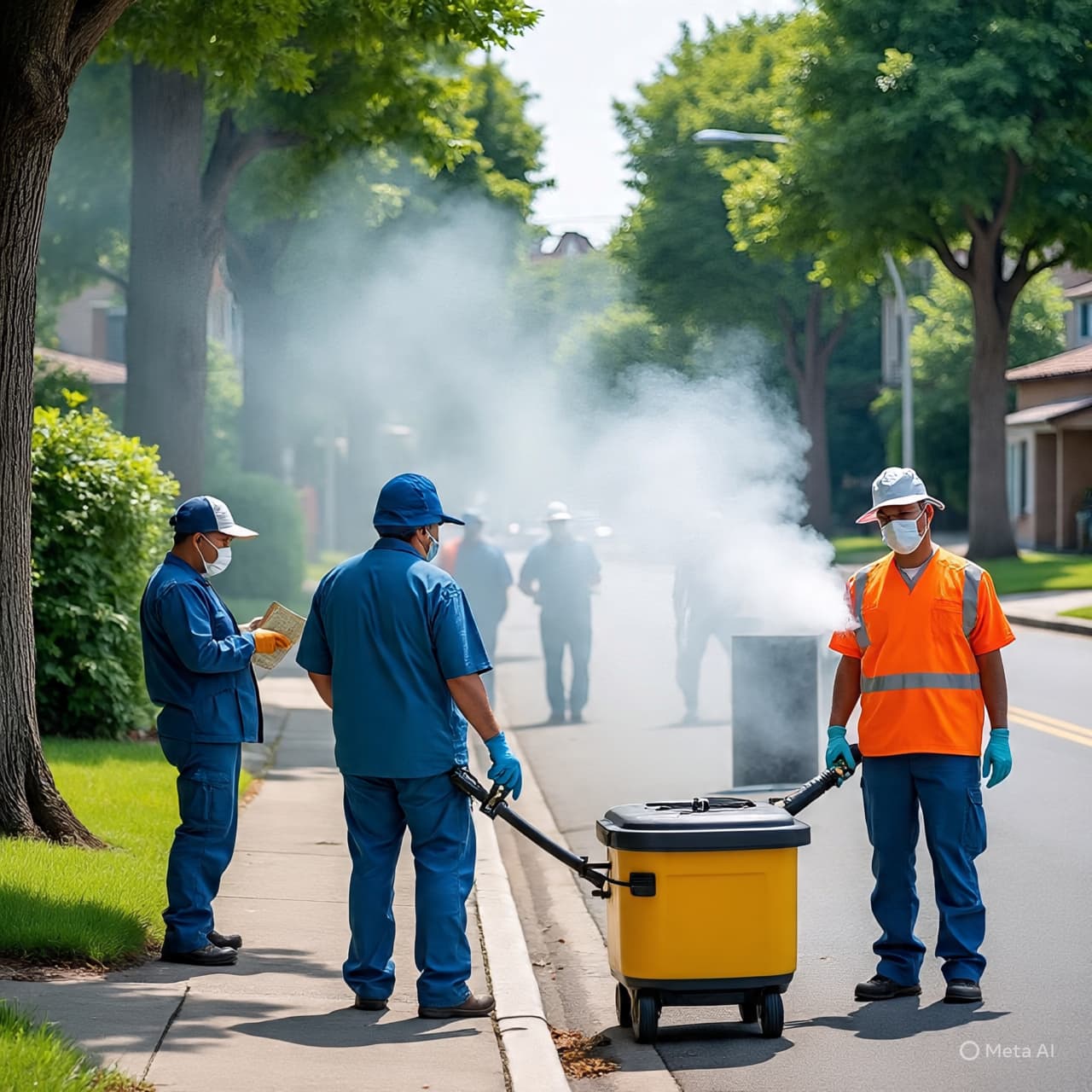
In the gentle haze of a rising sun, a community that has known the persistent hum of summer insects can find a small breath of relief in unexpected news. Much like the first timid buds of spring peeking after winter’s quiet, recent health reports suggest a notable easing in one seasonal worry: dengue. Where numbers once climbed with the certainty of tides, the latest figures from the Department of Health (DOH) present a different rhythm, gentler and so far, encouraging.
From January 4 to January 24, 2026, the Philippines registered 7,471 dengue cases nationwide — a figure markedly lower than the more than 25,600 recorded in a similar period last year. Such a 71% decrease feels like a cool breeze after months of clinging humidity, hinting at a shift shaped by both policy and personal action.
Public health officials have drawn a soft but deliberate line through these statistics, describing the drop as a testament to sustained prevention efforts and community cooperation. There is poetry in this kind of collective care — the way neighbors quietly turn over water containers, sweep rooftops, and cover jars, as suggested in the DOH’s “Alas Kwatro Kontra Mosquito” campaign. These small, everyday acts, repeated across towns and cities, are like gentle brushstrokes blending towards a broader picture of resilience.
Yet, amid the more comfortable figures, health authorities remind us that dengue is no seasonal visitor that retreats entirely with cooler weather. Rather, it is present year-round, like a river whose depth may change with rain and sun. Despite the drop, the DOH underscores that vigilance remains essential — for dengue transmission persists, especially where Aedes mosquitoes find welcoming habitats in stagnant water and shaded corners.
As with many public health challenges, the interplay between human behavior and environment is subtle and ongoing. The narrative here is not one of triumph, but of continuous effort. Health leaders have spoken of long-term goals, including aiming for zero dengue-related deaths by 2030, a horizon toward which consistent prevention, timely treatment, and broad awareness must steadily move.
In quiet ways, this early report for 2026 offers a glimpse of progress — like sunlight breaking through clouds after a long night. It invites reflection on how collective care shapes the health of a nation, encouraging communities to carry forward the practices that have helped ease the burden of dengue at the year’s start. While the threat hasn’t vanished, the initial chapter of this year writes a softer note — one that depends as much on everyday human connection as on scientific strategy.
AI Image Disclaimer (rotated wording) “Illustrations were produced with AI and serve as conceptual depictions.”
Source Check — Mainstream/Niche Sources Found
Philippine Daily Tribune reporting on DOH dengue case drop. Inquirer.net coverage of January dengue case numbers. SunStar Manila on comparison with last year’s cases. Manila Times warning about dengue outbreak risks. (Additional mainstream health alerts on dengue trends available.)
Published by Banx Network. This article is part of the Banx decentralized media programme, powered by the BXE token on the XRP Ledger.

.jpg&w=3840&q=75 "Qantas Grounds Plane After Passengers Report Bedbug Bites")