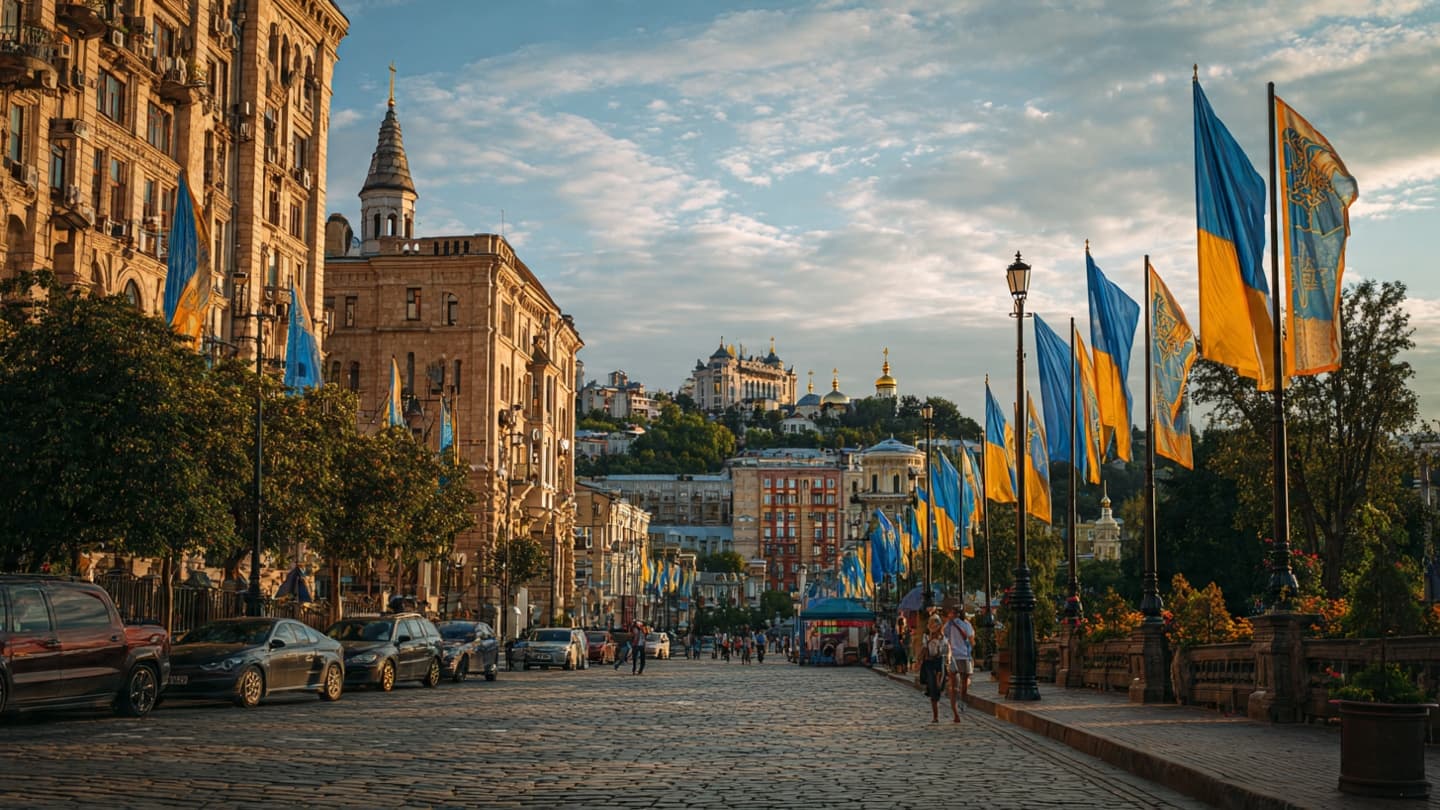
Cities often carry more than buildings and roads. They hold the quiet rhythm of collective hope, where public squares become places not only of passage but of conversation. In Kyiv, where resilience has long become part of everyday life, even the familiar streets seem to listen more closely when uncertainty reaches beyond the battlefield and into the nation's leadership.
That sense of reflection has deepened as Ukrainian President Volodymyr Zelenskyy reportedly weighs whether to replace Commander-in-Chief Oleksandr Syrskyi while public demonstrations continue following the recent dismissal of Defense Minister Mykhailo Fedorov. According to people familiar with the discussions, Zelenskyy is consulting senior military leaders and evaluating potential successors, though no final decision has been announced.
The reported deliberations come during one of the most challenging periods of Ukraine's defense against Russia's invasion. Military leadership carries responsibilities measured not only by strategy and logistics but also by public confidence. Every decision made in wartime echoes across front lines, government institutions, and the daily lives of citizens who continue adapting to years of conflict.
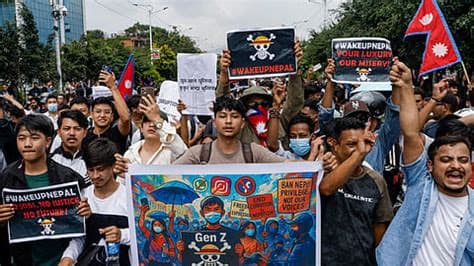
The recent political developments have prompted an unusual display of public concern. Demonstrators gathered in Kyiv and other cities, calling for the reinstatement of Fedorov while urging changes within the military's senior leadership. Protesters have expressed support for reforms associated with modern military technology and procurement, while raising concerns about the broader direction of defense policy.
At the center of the discussion lies a broader debate over how Ukraine should continue organizing its wartime leadership. Reports describe longstanding differences between advocates of technology-driven modernization and more conventional military approaches. Those differing visions have gradually become visible beyond government offices, entering public discussion at a moment when national unity remains essential.
For President Zelenskyy, the reported consideration of leadership changes reflects the delicate balance between maintaining operational continuity and responding to growing political pressure. Any transition within the armed forces would require careful planning to avoid disrupting military operations across the extensive front line. Officials familiar with the discussions say potential replacements are being assessed alongside battlefield conditions before any decision is made.
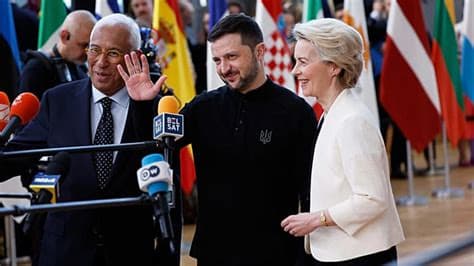
Ukraine's international partners are also watching these developments closely. Allied governments have consistently emphasized the importance of stable leadership and continued military coordination while supporting Ukraine's defense. Internal changes, although sovereign decisions, inevitably attract attention because of their potential influence on ongoing military cooperation and long-term planning.
Meanwhile, life across Ukraine continues with the familiar resilience that has characterized much of the conflict. Markets open, trains depart, volunteers organize assistance, and families continue shaping ordinary routines beneath extraordinary circumstances. Leadership debates unfold alongside these daily acts of endurance, reminding observers that governance and society remain closely connected even during prolonged war.
Whether President Zelenskyy ultimately decides to replace the commander-in-chief remains uncertain. For now, the discussions themselves reflect a nation navigating difficult choices while confronting the demands of an ongoing conflict. Like a river adjusting its course around unseen stones, Ukraine's institutions continue searching for a path that preserves both stability and confidence, knowing that today's decisions may shape the direction of tomorrow's journey.
AI Image Disclaimer The accompanying illustrations are AI-generated visual interpretations and are intended for conceptual purposes only.
Sources Reuters Financial Times The Guardian Office of the President of Ukraine NATO
Published by Banx Network. This article is part of the Banx decentralized media programme, powered by the BXE token on the XRP Ledger.

.jpg&w=3840&q=75 "Same-Sex Couple Sue Slovakia Over Refusal to Register Their Marriage")