Along certain quiet stretches of ocean, where currents move with a steady, patient rhythm, forests sway beneath the surface in a choreography rarely seen yet deeply felt. Kelp, often overlooked in the broader conversation about ecosystems, rises like an underwater canopy—fragile in many regions, but in a few rare places, still growing. It is here, in these unlikely pockets of resilience, that a new effort is beginning to take form.
Scientists and environmental organizations have turned their attention to one of the few kelp ecosystems globally that is not in decline. While many kelp forests—from California to Australia—have suffered from warming waters and ecological imbalance, this particular region has demonstrated a rare ability to expand. Its growth offers both hope and a sense of urgency.
Researchers emphasize that kelp forests are more than marine vegetation. They serve as critical habitats for marine life, act as carbon sinks, and help stabilize coastal ecosystems. Their decline in recent decades has raised concerns across the scientific community, making the survival—and growth—of this forest especially significant.
The campaign now emerging is centered on preservation before crisis. Rather than reacting to collapse, conservationists are working proactively, aiming to safeguard the conditions that have allowed this kelp forest to thrive. This includes monitoring water temperatures, regulating nearby fishing activities, and limiting industrial impact.
Local communities are also playing a role. Coastal populations, whose livelihoods are often intertwined with marine ecosystems, are being included in planning and stewardship efforts. Their involvement reflects a growing recognition that conservation is most effective when it aligns with local knowledge and economic realities.
Funding and policy support remain key challenges. Environmental groups are seeking broader international backing, noting that protecting one resilient ecosystem could offer insights applicable elsewhere. The kelp forest is not only a natural resource but also a living laboratory.
In the background, climate change remains an ever-present force. Even thriving ecosystems are not immune to its long-term effects. The campaign’s architects acknowledge this uncertainty, framing their work as both preservation and preparation.
As the initiative gains momentum, it reflects a subtle shift in environmental strategy—one that values protection as much as restoration. In safeguarding what still grows, there is a quiet recognition that resilience, once lost, is not easily regained.
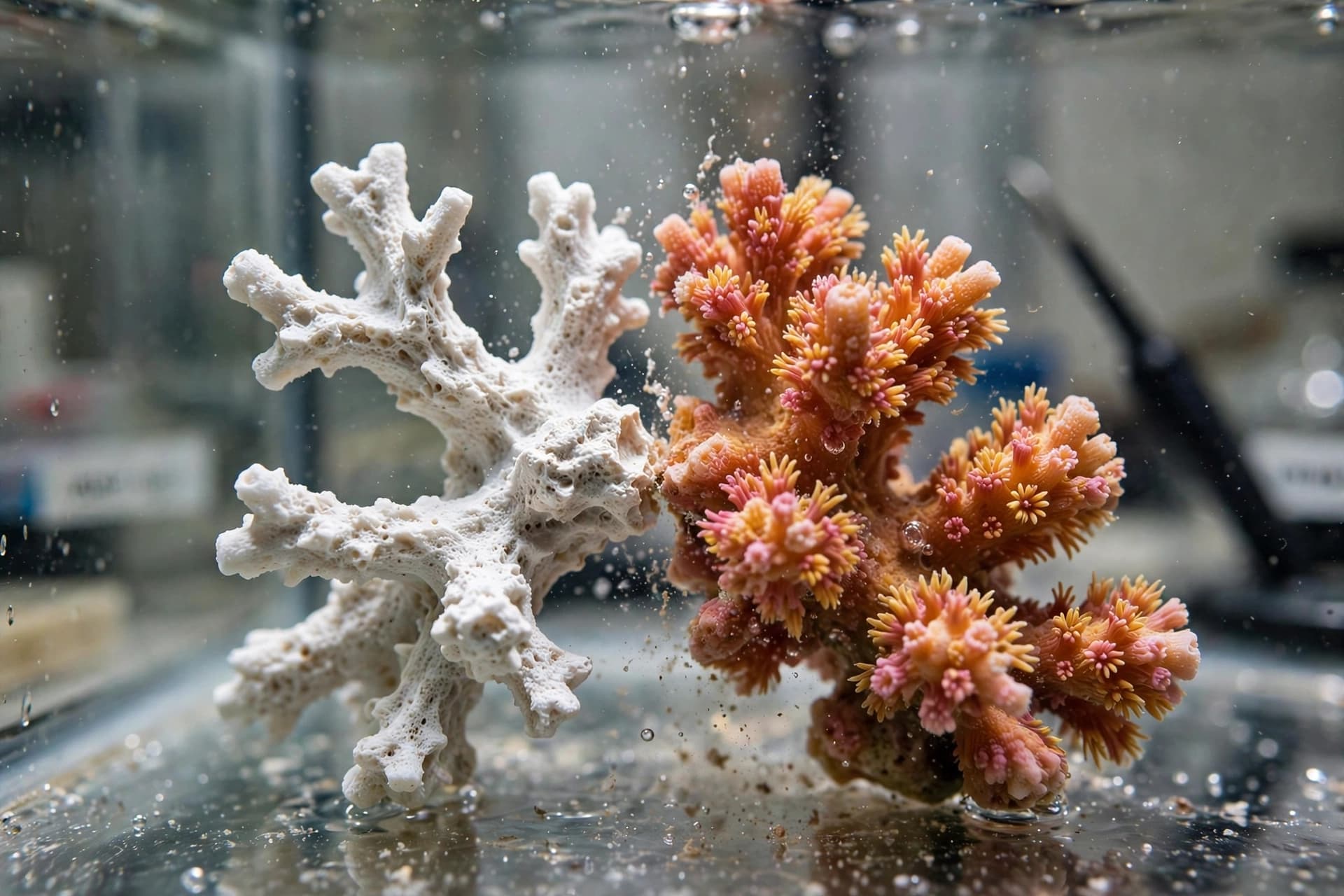
AI Image Disclaimer: Some images accompanying this article are AI-generated visual interpretations of underwater kelp environments.
Sources: BBC, The Guardian, National Geographic, Reuters, NOAA
Published by Banx Network. This article is part of the Banx decentralized media programme, powered by the BXE token on the XRP Ledger.