Morning arrives differently in places touched by war. In one city, sunlight falls across a military memorial where fresh flowers have yet to fade. In another, families wait outside hospitals, listening for news that may never come in the form they hope. Though separated by borders, languages, and histories, grief often follows the same quiet rhythm, arriving first in silence before becoming part of the public record.
As the conflict between the United States and Iran continues, attention has increasingly turned from military operations to the people caught within them. Official announcements, casualty updates, and humanitarian reports attempt to describe the scale of the fighting, yet each statistic ultimately represents an individual life and a community forever changed.
According to U.S. military statements, at least 17 American service members have been confirmed dead since the conflict began. The fatalities have occurred across several locations in the Middle East, including missile and drone attacks on military installations in Jordan and Kuwait, operational incidents in Iraq, aviation accidents, and other combat-related events. Hundreds of additional U.S. personnel have reportedly been injured during the campaign, with many returning to duty while others continue receiving medical care.
The identities of many of the fallen have been released by the Department of Defense, allowing families and hometown communities to remember them not simply as service members but as sons, daughters, friends, and colleagues. Memorial ceremonies have taken place across the United States as military leaders continue to acknowledge the risks faced by personnel deployed throughout the region.
On the Iranian side, establishing a definitive casualty count has proven considerably more difficult. Iranian authorities, humanitarian organizations, and independent monitoring groups have reported differing figures. Reuters has noted that the numbers cannot be independently verified and that estimates vary depending on the reporting source and methodology. Some independent organizations report that several thousand people have been killed since the conflict began, including civilians, while humanitarian agencies have also documented extensive injuries and damage to civilian infrastructure.
The differing casualty estimates illustrate one of war's enduring realities: information often travels more slowly than destruction itself. Hospitals, emergency responders, local authorities, and international organizations work under difficult conditions, making comprehensive verification challenging while military operations continue.
Beyond the battlefield, the conflict has affected neighboring countries through missile strikes, drone attacks, maritime disruptions, and heightened regional security concerns. Commercial shipping, energy infrastructure, and civilian transportation have all experienced periods of uncertainty as governments adapt to an increasingly volatile security environment.
Military analysts observe that casualty figures are more than measures of battlefield intensity; they also influence political decision-making, diplomatic efforts, and public opinion. Each confirmed death becomes part of a broader conversation about strategy, national security, and the long-term consequences of armed conflict.
For now, the numbers continue to change as new information emerges. Officials on all sides continue investigating incidents, identifying victims, and updating casualty reports. Until the fighting subsides and independent verification becomes more complete, many figures—particularly those concerning Iranian losses—remain provisional rather than final.
In the end, wars are often remembered through maps and negotiations, but they are first experienced through absence. Empty chairs at family tables, unfinished conversations, and communities learning to carry memories forward remind the world that behind every official tally is a life once lived, and behind every headline is a story still unfolding.
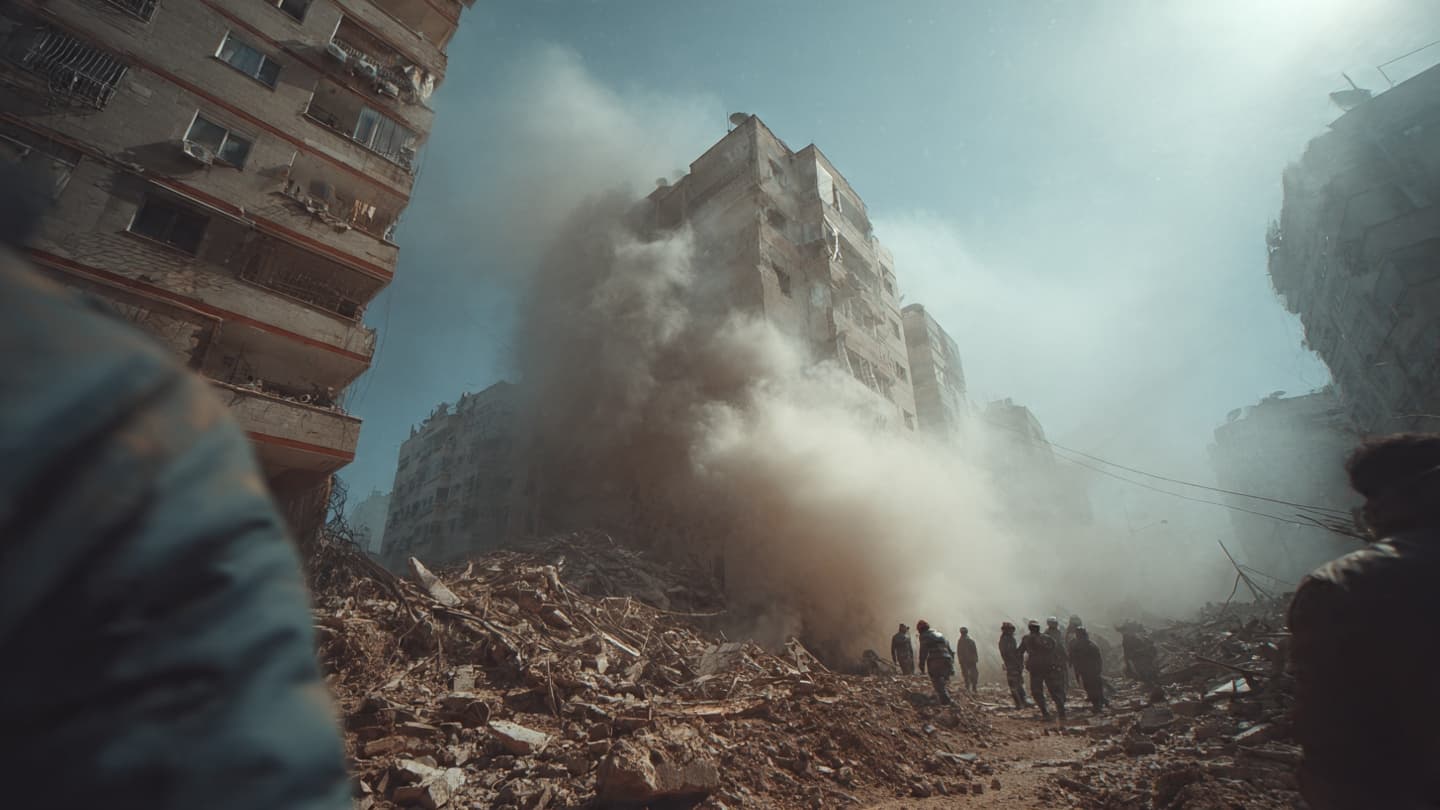
AI Image Disclaimer Visuals are AI-generated and are intended solely as conceptual illustrations rather than authentic photographs.
Sources Reuters U.S. Department of Defense U.S. Central Command HRANA International Federation of Red Cross and Red Crescent Societies
Published by Banx Network. This article is part of the Banx decentralized media programme, powered by the BXE token on the XRP Ledger.