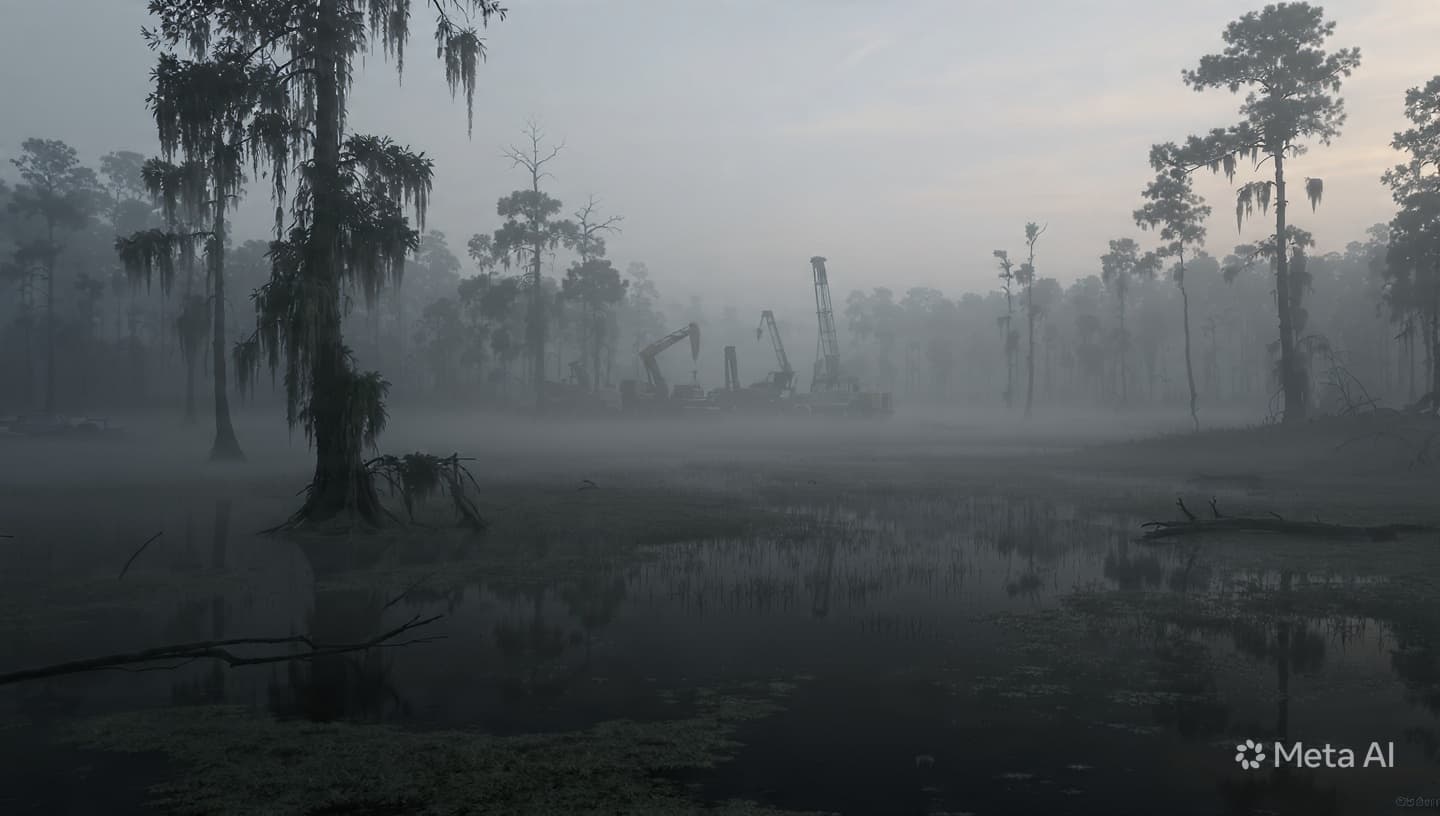
The landscape of the swamp is defined by its resistance to human order. It is a place of slow, vegetative time, where the water and the earth exist in a state of perpetual, shifting ambiguity. When a mission is undertaken to recover those lost within its depths—when the heavy machinery of recovery confronts the fluid, unyielding mud—it becomes a struggle against not only the physical environment but the very erosion of time itself. The recent conclusion of these operations represents a rare and somber victory, a moment where the indeterminate is finally brought to a close.
There is a contemplative weight to the end of such an effort. For the teams that have labored in the damp, quiet stretches of the marsh, the work has been an intimate engagement with the lost. It is a process of meticulous, often grueling detail, requiring a patience that stands in stark contrast to the urgency of the initial disappearance. To retrieve the missing from the embrace of the swamp is to perform a final act of stewardship, returning the fallen to the light and to the families who have lived in the shadow of their absence.
One reflects on the resilience of those involved—the divers, the engineers, the personnel who have moved through the muck to reclaim what the earth has taken. It is a deeply human impulse to refuse the finality of a disappearance, to insist that every life matters enough to warrant this extraordinary measure of dedication. In the successful conclusion of the search, we see the triumph of this commitment over the indifference of the wild landscape.
The transition from the intense, focused activity of the recovery site to the quiet of the aftermath is a jarring one. The equipment is packed away, the temporary structures are dismantled, and the swamp begins to reclaim the small footprints of the operation. It is a return to a state of stillness, but the meaning of the place has been irrevocably altered by the presence of those who sought to restore what was lost. The memory of the search will remain long after the marsh has regained its pristine, untouched quality.
As we look toward the significance of this conclusion, we must acknowledge the peace it brings. It is a closure that allows for the rituals of mourning to finally begin in earnest. It is the end of a long, uncertain interval, a moment where the grief that has been suspended in the air is finally anchored to the reality of the returned. It is a necessary, profound labor of reconciliation between the past and the present.
Ultimately, these reflections lead us to appreciate the weight of our shared responsibility. We are reminded that the loss of a life is never truly a solitary affair; it ripples outward, touching the hearts of those who search and the communities that support them. The resolution of the recovery is a testament to the fact that, even in the most challenging conditions, we do not turn our backs on the fallen. We reach into the depths, we endure the difficult terrain, and we bring them home.
Recovery operations in the designated swampland have officially concluded following the successful identification and retrieval of all missing personnel. The operation, which faced significant environmental challenges due to terrain density and water saturation, utilized specialized deep-extraction techniques. Authorities have confirmed that the remains have been transferred for forensic identification and eventual return to families, closing a significant search effort that had been ongoing for weeks.
Published by Banx Network. This article is part of the Banx decentralized media programme, powered by the BXE token on the XRP Ledger.