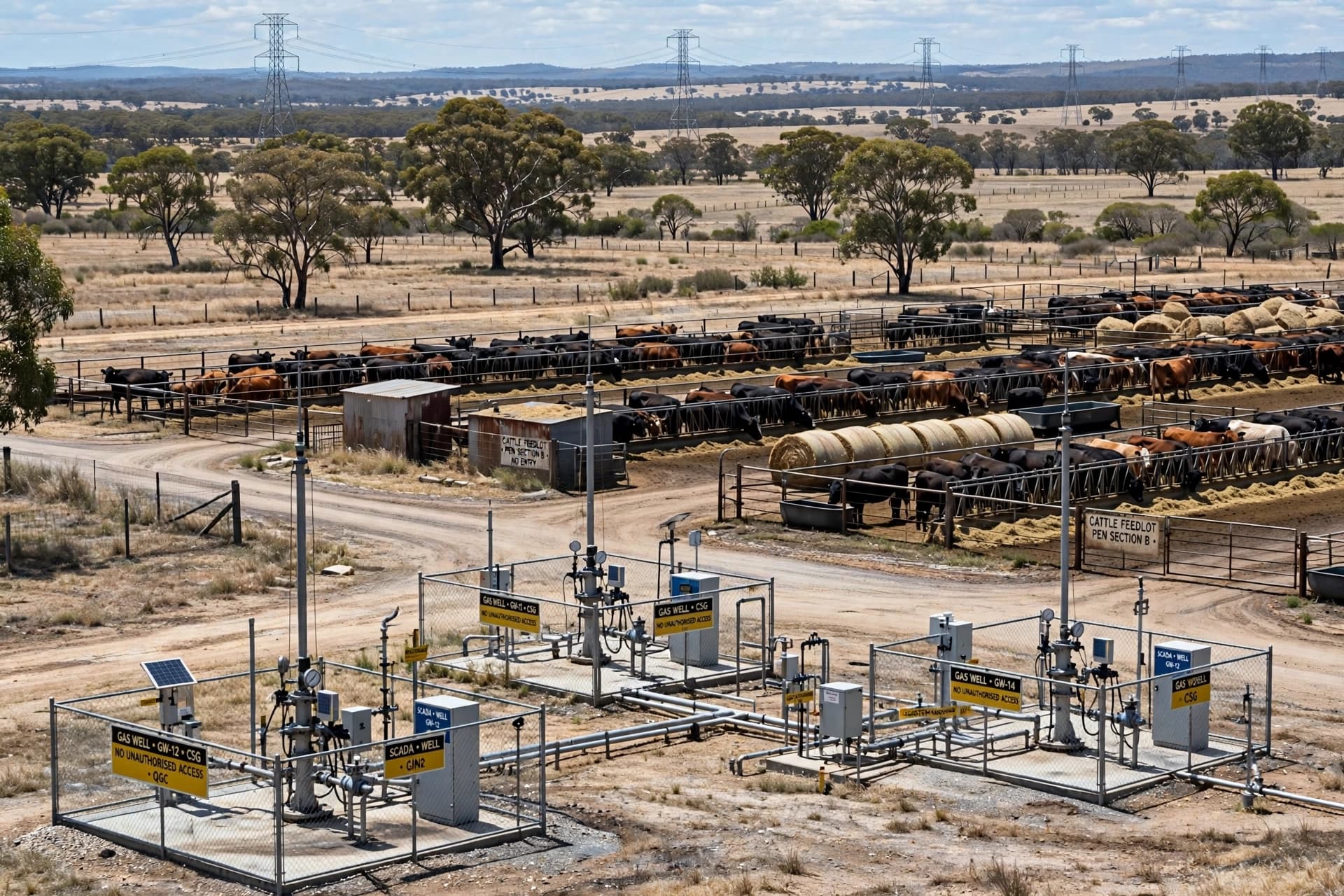
There is a particular symbolism in imagining supercomputers rising from the desert — enormous engines of calculation built in a place better known for its oil fields, heat, and horizon lines that seem to stretch beyond certainty. Yet this is where Jensen Huang says the next wave of computing power may take form, as he describes ongoing work with Saudi Arabia to build advanced supercomputing systems.
It’s not an impulsive partnership. Riyadh has spent years repositioning itself as a hub for AI infrastructure, pouring resources into data centers, national research initiatives, and long-term industrial diversification. For a region that once defined global energy markets, the possible leap into computational energy carries a poetic symmetry. And for Huang, the collaboration fits naturally into the unfolding geography of AI — a world where compute capacity is now as strategic as any commodity.
The partnership revolves around constructing systems capable of training and hosting emerging generations of AI models. These aren’t the supercomputers of early research labs; they are clusters meant to support national-scale ambitions, powering complex simulations, industrial planning, scientific modeling, and commercial AI ecosystems. Huang’s remarks signal that Saudi Arabia no longer seeks to merely import capability — it wants to build it.
There is also a broader, quieter narrative unfolding. As global demand for compute accelerates, nations are beginning to treat supercomputing like infrastructure, not luxury. Some see the technology as the backbone of economic modernization, others as a route to technological sovereignty. For Saudi Arabia, it is both — a chance to align its long-term economic vision with the global scramble for AI capacity.
Still, the path ahead carries its own tensions. Massive supercomputing systems require expertise, sustained investment, and a delicate balance between technological openness and national security. Yet the momentum suggests the calculus has shifted: the value of leading in computation now outweighs the risks of staying on the sidelines.
Published by Banx Network. This article is part of the Banx decentralized media programme, powered by the BXE token on the XRP Ledger.