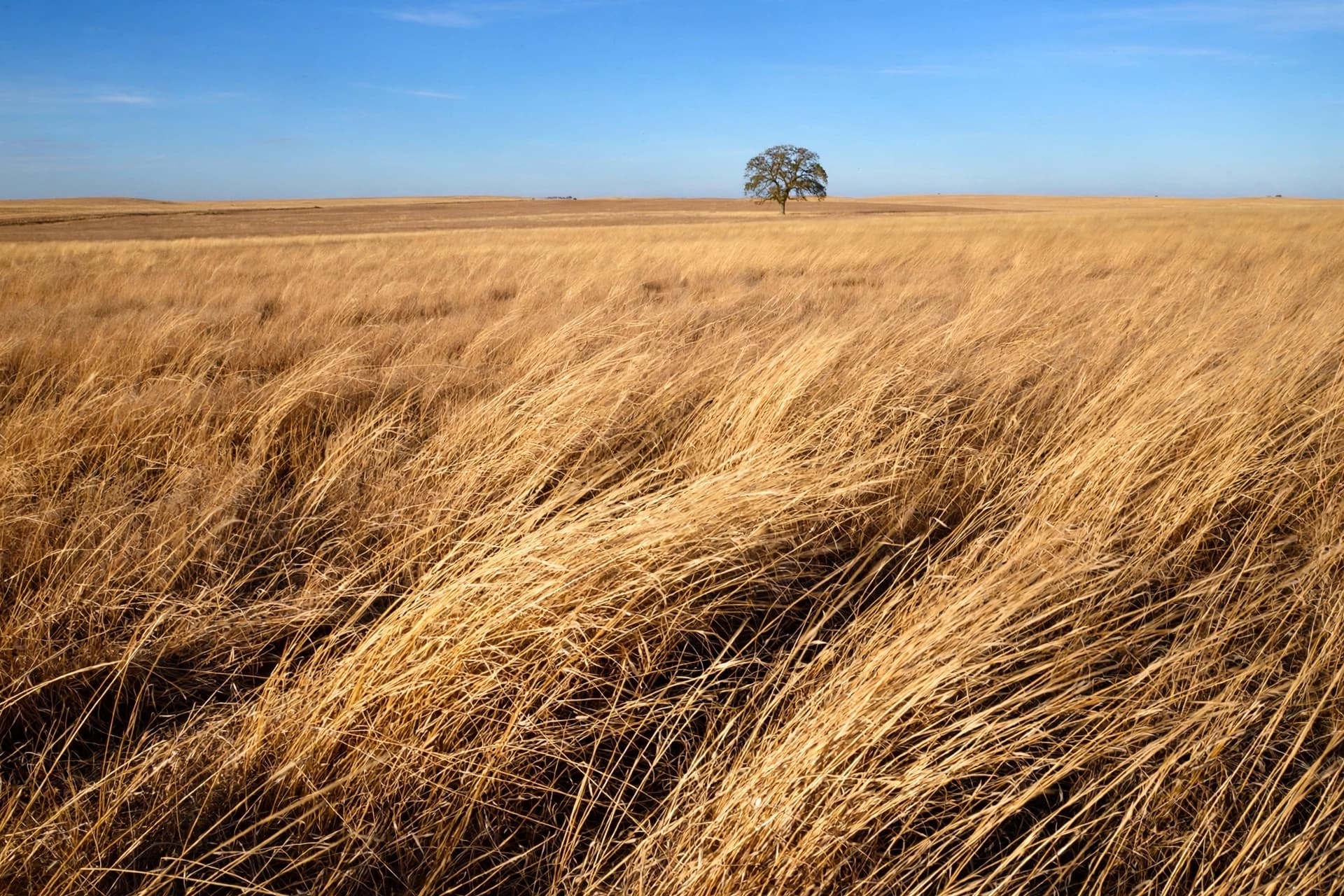
Yellowstone’s Remote ‘Animal Boneyard’ — A Grim Gathering Place Where Elk and Other Wildlife Often Die In a secluded corner of Yellowstone National Park’s northern range, a striking natural phenomenon quietly plays out each spring: a remote area where numerous elk, bison and other large animals die and their bones accumulate in conspicuous concentration. Locals familiar with the backcountry call it the “animal boneyard,” a place visited by very few people yet deeply woven into the rhythms of life and death in the wild.
Outdoors filmmaker Casey Anderson — who’s explored this hidden valley with wildlife adventurer Coyote Peterson — describes it as reminiscent of the fictional elephant graveyard from The Lion King: vast skeletal remains peppering the landscape. The boneyard isn’t a fable or tourist trap, but a stark natural tableau created by the interplay of seasonal survival pressures and Yellowstone’s ancient terrain.
🌱 Why So Many Animals End Up There According to Anderson, the die‑off happens mainly in early spring, not extreme winter. During winter, elk and bison use up their fat reserves while feeding on sparse dry forage. When the snow begins to melt, patches of lush, green grass appear early in this particular valley — attractive to starving herbivores. But the sudden transition from poor winter forage to rich spring grass can be nutritionally jarring for animals already weakened; their digestive systems struggle, leading to dehydration, diarrhea and, for weaker individuals, death shortly after feeding.
The hollowed, uneven ground — shaped by ancient glacial activity — creates pools of early vegetation that lure animals in, often when their strength is lowest. Many die there when they are no longer capable of responding to the stress on their bodies.
🐺 A Feast for Predators and Scavengers The timing of these die‑offs coincides with the return of Yellowstone’s apex predators and scavengers from winter conditions:
Grizzly bears emerge from hibernation, hungry after months of fasting. Wolves are denning and starting to raise pups. Eagles and other raptors begin nesting. This means the boneyard also becomes a kind of seasonal buffet for carnivores and scavengers, supplying abundant biomass just as their own energy needs rise.
🚶♂️ Rare and Protected The site remains very remote and is not shown on regular park maps. Park regulations prohibit visitors from collecting bones, antlers or other wildlife remains — all natural materials must stay where they are to preserve Yellowstone’s ecological integrity.
AI Image Disclaimer
“Illustrations were produced with AI tools and serve as conceptual depictions.”
📰 Sources
Yellowstone’s Remote ‘Animal Boneyard’ Is Where Elk And Other Animals Go To Die (Cowboy State Da
ily)
Published by Banx Network. This article is part of the Banx decentralized media programme, powered by the BXE token on the XRP Ledger.