National parks are places we enter with a particular kind of trust—a belief that the wildness we encounter is contained, that the boundaries between human and animal are clear. But the wild does not read maps, and the boundaries we imagine are often thinner than we would like to believe.
Parks Canada staff have killed a coyote in the MacIntosh Brook area of Cape Breton Highlands National Park after a visitor was bitten on September 24. The visitor, who was camping at MacIntosh Brook, encountered an aggressive coyote while retreating to a cook shelter. During the retreat, the visitor fell and sustained bite wounds to their leg. The injuries were minor, and the visitor has since received medical attention .
The coyote killed on Saturday had repeatedly approached patrolling staff, displaying what Parks Canada described as "a loss of natural fear toward humans and behaviour consistent with food conditioning" . While officials cannot be certain the killed animal was the same one involved in the bite, the behaviour pattern suggested a coyote that had become habituated to human presence—likely through access to food sources associated with people.
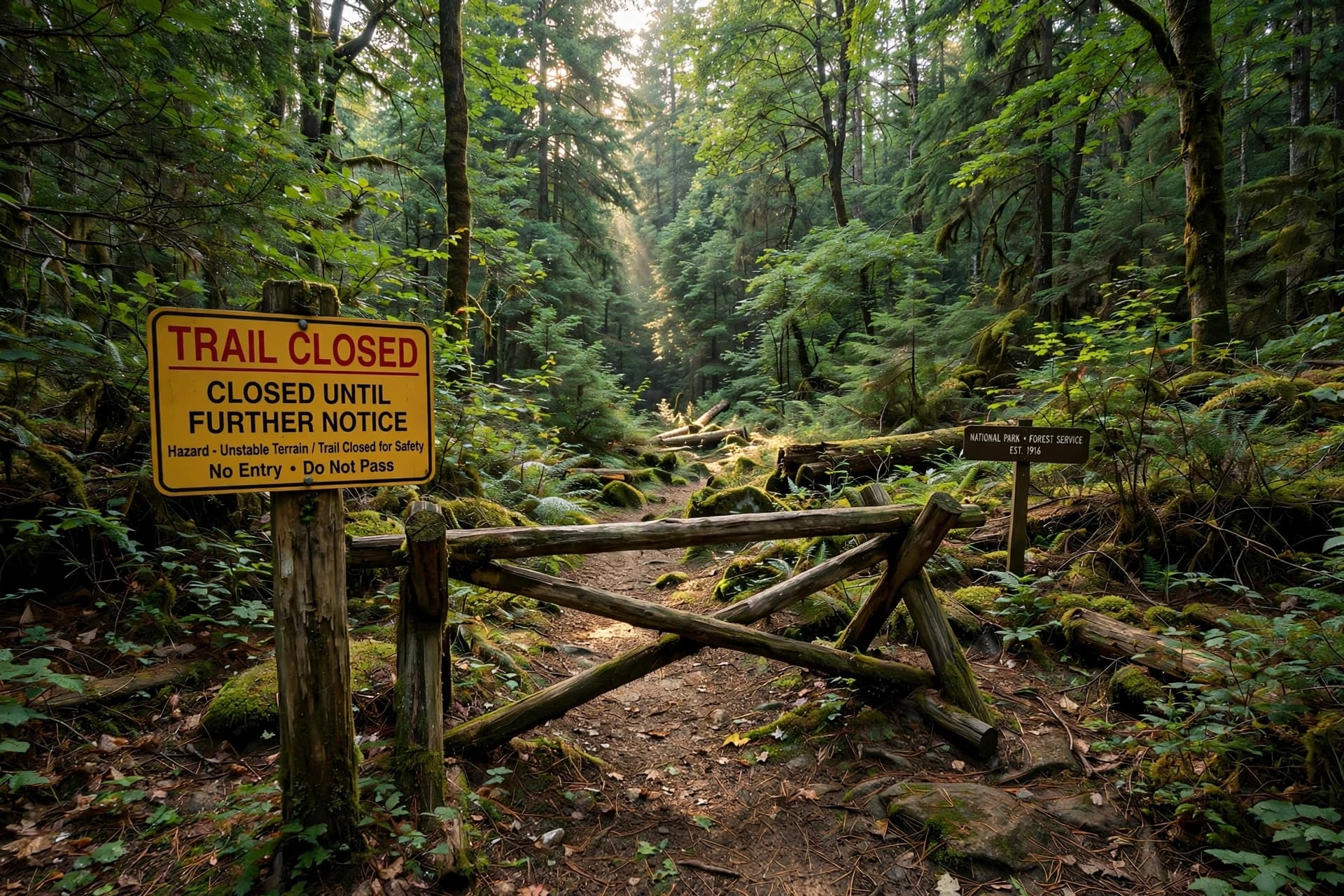
The MacIntosh Brook area, Lone Shieling trail, and nearby look-offs have been closed since Thursday, and those closures remain in place. Parks Canada staff are continuing to patrol the area, assessing and addressing potential food attractants, and installing additional signage to warn visitors . The agency has not provided a timeline for reopening.
There is something worth reflecting on in the phrase "food conditioning." It describes a process that is gradual and often invisible—a coyote that learns, over time, that humans are not a threat but a source. It is a lesson taught not by the animal but by us, through carelessness, through the assumption that wild spaces are somehow separate from our habits. Parks Canada's reminder is direct: never feed wildlife, respect all closures and signage, and report concerning behaviour to staff .
For those who encounter a coyote, the guidance is similarly clear. Do not run. Make yourself appear large. Make noise. Back away slowly . It is a choreography of caution, designed to remind an animal of boundaries it may have forgotten—or never learned.
The closures will eventually lift, and the trails will reopen. But the lesson of MacIntosh Brook will remain: that national parks are not stages for human recreation alone, but shared territories where respect is not optional, and where the consequences of forgetting can be measured in teeth and fear.
---
AI Image Disclaimer: All visuals in this article are AI-generated illustrations and do not depict the actual coyote or visitor involved.
Sources: CBC News, CTV News, CityNews Halifax, Radio-Canada, Parks Canada
Published by Banx Network. This article is part of the Banx decentralized media programme, powered by the BXE token on the XRP Ledger.