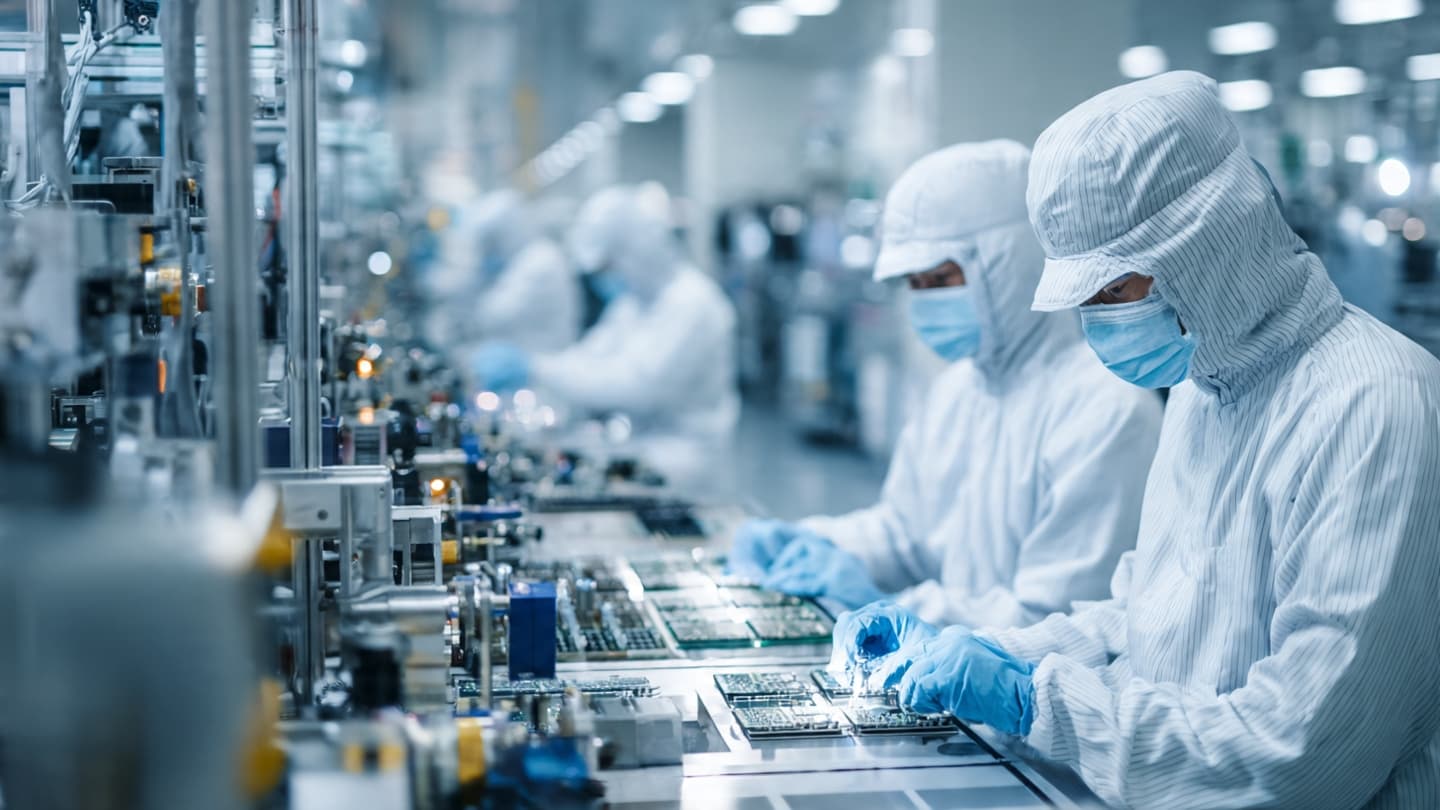
The semiconductor is small enough to disappear beneath a fingertip, yet much of the modern economy depends upon it. Cars, smartphones, data centers, industrial machines, and artificial intelligence systems all rely on increasingly sophisticated electronic components. Thailand is now seeking a larger place within that world.
The country has traditionally been stronger in electronics manufacturing and assembly than in the production of the most advanced processors. Its latest strategy is aimed at moving gradually toward higher-value activities within the semiconductor and advanced-electronics supply chain.
Thailand's existing industrial base provides an important foundation. The country already has companies involved in electronics production, testing, storage technology, optical communications, and other components associated with modern computing infrastructure.
The rise of artificial intelligence has strengthened the opportunity. AI data centers require enormous quantities of electronic equipment, including networking systems, storage, power-management hardware, cooling systems, and optical components.
Thailand's electronics sector has already begun benefiting from that demand. Investment applications in the first quarter of 2026 included advanced electronic parts, printed circuit boards, storage devices, optical transceivers, and servers for AI data centers.
The next challenge is moving further along the value chain. Thailand's strategy includes areas such as power semiconductors, sensors, photonics, analog chips, assembly and testing, integrated-circuit design, and advanced electronics.
Such development requires more than factories. Semiconductor industries depend on engineers, researchers, specialized technicians, laboratories, reliable energy, advanced equipment, and close connections between universities and businesses.
Talent therefore becomes one of the most important pieces of the strategy. Advanced semiconductor operations require specialized knowledge that takes years to develop, making education and technical training central to any long-term industrial plan.
Energy infrastructure is equally important. Semiconductor facilities and data centers require reliable electricity, while more advanced manufacturing can demand highly controlled environments and sophisticated equipment.
Thailand's growing digital investment provides an economic foundation for this ambition. In the first half of 2026, investment applications reached 1.473 trillion baht, with digital industries and electronics among the leading sectors.
The semiconductor journey will not be completed quickly. It is a gradual movement from existing strengths toward more complex activities, with investment, skills, research, and infrastructure developing together. For Thailand, the objective is increasingly clear: to transform its established electronics base into a deeper role within the technological systems powering artificial intelligence and the wider digital economy.
AI Image Disclaimer The illustrations were created using AI tools and are not real photographs of semiconductor facilities or research laboratories.
Sources The Nation Thailand Thailand Board of Investment Reuters
Published by Banx Network. This article is part of the Banx decentralized media programme, powered by the BXE token on the XRP Ledger.