In laboratories designed to mimic distant worlds, silence often carries more meaning than noise. Here, under carefully controlled conditions, scientists attempt to recreate environments that seem entirely hostile to life. Mars, with its thin atmosphere, freezing temperatures, and intense radiation, has long stood as one of those places.
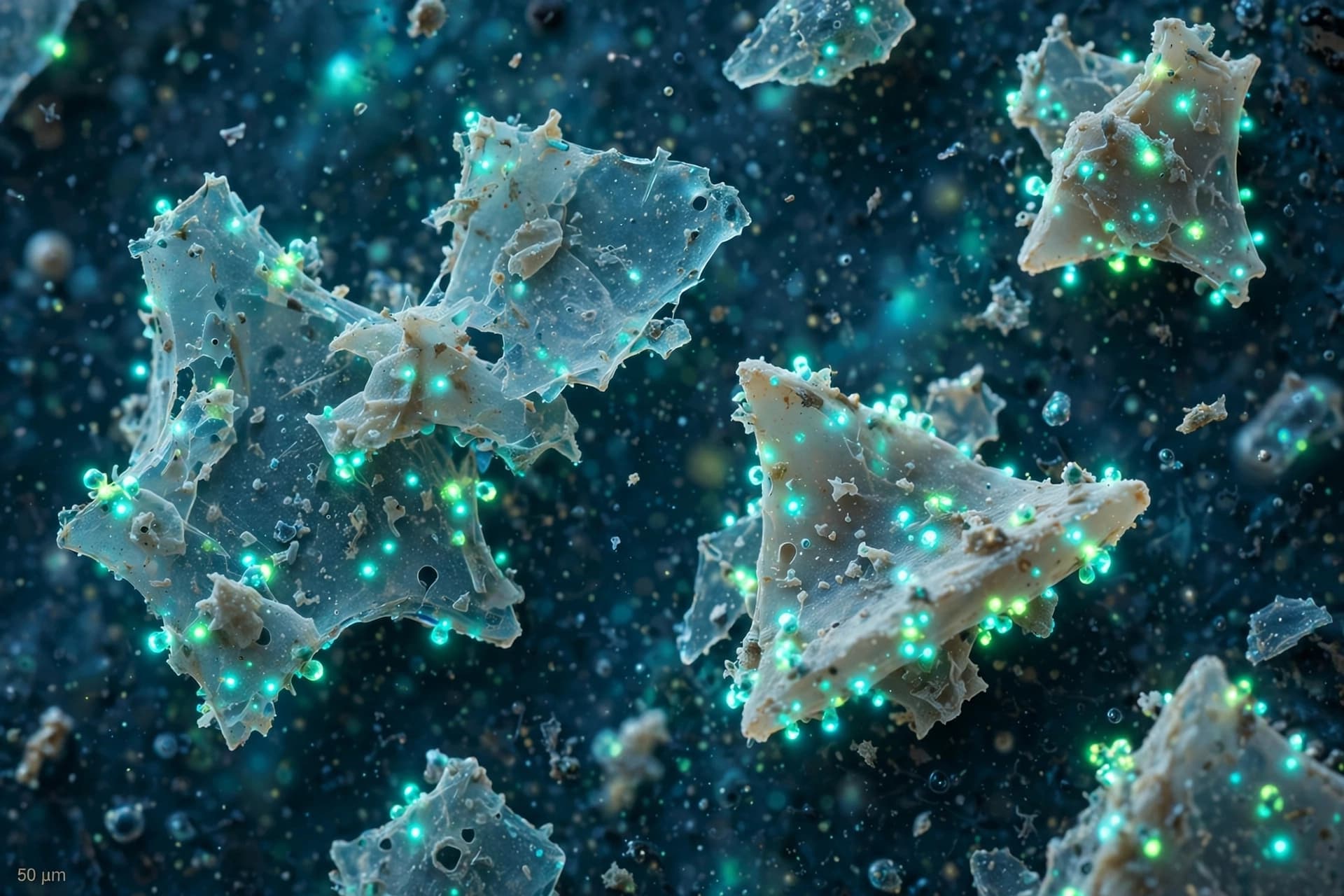
Yet in a recent experiment, something unexpected unfolded. Microbial cells, subjected to simulated Martian conditions, did not simply perish. Instead, some endured—persisting in ways that challenge assumptions about the limits of life.
Researchers exposed these cells to low pressure, extreme cold, and radiation levels comparable to the Martian surface. These conditions are widely considered lethal to most known organisms. But certain extremophiles—microbes adapted to Earth’s harshest environments—demonstrated remarkable resilience.
The findings add to a growing body of evidence suggesting that life, once formed, may be more adaptable than previously understood. Extremophiles on Earth already inhabit environments ranging from deep-sea hydrothermal vents to Antarctic ice. Their survival strategies include protective proteins, DNA repair mechanisms, and metabolic flexibility.
Scientists emphasize that survival does not necessarily mean growth. The microbes did not thrive in the simulated Martian environment, but they remained viable. This distinction is critical when considering the possibility of life beyond Earth.
The study also raises questions about planetary protection. If Earth-based microbes can survive Mars-like conditions, the risk of contamination during space missions becomes more significant. This could complicate efforts to detect indigenous Martian life.
At the same time, the research fuels optimism in astrobiology. If simple organisms can endure such extremes, it opens the possibility that life—past or present—could exist in protected niches on Mars or other celestial bodies.
NASA and other space agencies continue to refine their exploration strategies, balancing scientific curiosity with caution. Future missions may focus more closely on subsurface environments, where conditions are less exposed.
In the end, the experiment does not claim discovery of life on Mars. Instead, it reshapes the boundaries of what is considered survivable.
And in that quiet shift, the question evolves—not whether life can exist elsewhere, but how persistent it might be once it begins.
AI Image Disclaimer Illustrations were produced with AI and serve as conceptual depictions.
Source Check (Credible Media) Nature Science Magazine NASA The Guardian BBC Science
Published by Banx Network. This article is part of the Banx decentralized media programme, powered by the BXE token on the XRP Ledger.