In the quiet early light, when mist hovers over quiet village greens and centuries-old sidewalks hold the echoes of footsteps long past, certain buildings carry with them the weight of stories — not just of commerce and craft, but of daily life lived across generations. Like the gentle patina on a well-used heirloom, these structures show their age with dignity, and remind us that bricks and wood can stand as silent witnesses to those who came before.
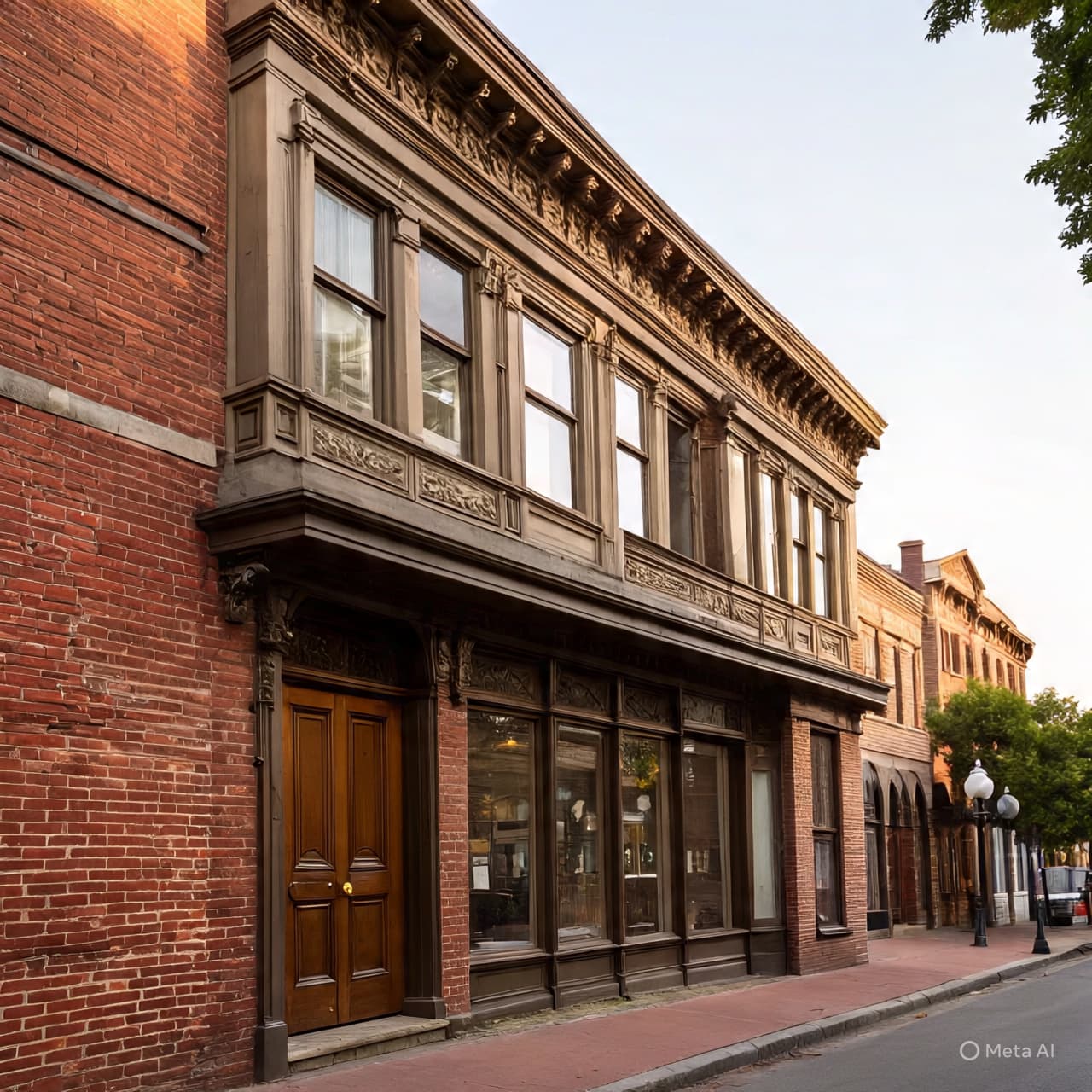
In Guilford, Connecticut, one such witness — an antique commercial building originally constructed around 1800 — has come onto the market, offering a rare opportunity to own a piece of local history in a small New England town where past and present overlap like parallel lines tracing the same path. This property, located at 51 Mill Road and currently home to The Tile Shop, reflects not just the architectural sensibilities of its era, but a quiet resilience that has carried it into the 21st century.
At approximately 1,200 square feet with a single bathroom, the building’s modest scale belies its historical charm. Located overlooking the serene Mill Pond, its exterior and setting evoke an era when Guilford was shaping its identity as a commercial and social hub in Connecticut’s richly layered tapestry of towns. In those early years of the American republic, such buildings would have formed the backbone of daily life — a meeting place, a storefront, and a portal to the wider world.
Today, the listing on Zillow positions the property as more than a relic; it suggests adaptive potential. Prospective buyers are advised that the structure could be repurposed — with appropriate approvals — into a single-family residence or condominium alternative, offering a unique blend of antiquity and livability. It could also continue its life as a commercial asset, suitable for retail, gallery, or professional office use that draws on both its historic appeal and its visibility in a charming community.
The possibilities here invite reflection on how buildings carry memory forward. In a town where other historic homes and sites — such as houses dating to the 1700s or those with architectural significance — have periodically emerged for sale, this old commercial structure speaks to a distinct narrative: one that bridges artisan tradition and contemporary aspiration, inviting new chapters to be written in its well-worn walls.
For those with an appreciation for heritage, turning a building like this into a lived-in space could mean honoring its original craftsmanship while gently incorporating modern conveniences. For entrepreneurs or community builders, maintaining its commercial identity might weave it yet again into town life — as a shop, studio, or welcoming hub that invites neighborhood foot traffic and affable encounters.
Regardless of its next role, this property’s presence on the market underscores how venerable architecture can still find relevance in today’s real estate landscape. Its listing price of $325,000 reflects both its modest footprint and its historical context, standing as an investment opportunity in Guilford’s evolving tableau of homes, shops, and small-town character.
At a time when many buyers seek connection as well as shelter, and when adaptive reuse of older buildings is valued for both sustainability and narrative richness, this circa-1800 building offers a chance to be part of a continuum — to respect what has endured while shaping what is yet to come.
In Guilford itself, this listing adds to an array of properties that reflect the town’s architectural breadth, from colonial-era homes to contemporary residences. As the community considers the next steward of this antique structure, its journey from the 19th century into the present day reminds us quietly that history remains a living, breathing part of place and purpose.
AI Image Disclaimer Visuals are created with AI tools and are not real photographs; they are meant for concept only.
Sources Patch News — Guilford real estate report Realmo retail listings — historical property options Historical farmhouse context in Guilford
Published by Banx Network. This article is part of the Banx decentralized media programme, powered by the BXE token on the XRP Ledger.