There is a quiet arithmetic to living alone—an equation that balances freedom against cost, independence against the weight of every bill that arrives in your name alone. For decades, that arithmetic has grown heavier, and in Australia, it has now reached a point where the simple act of having a roof over one's head, without a partner to share the burden, has become a luxury many cannot sustain.
The phenomenon has a name: the "singles tax." It refers to the structural financial penalty that single-income households pay simply because they cannot split expenses the way couples do. According to a Finder report from earlier this year, only 31 percent of Australian suburbs are affordable to the average single earner—meaning that nearly two-thirds of the housing market is out of reach for those buying alone . The average single person has $30,932 in savings, compared with $50,192 for those with a partner, a gap of more than $19,000 .
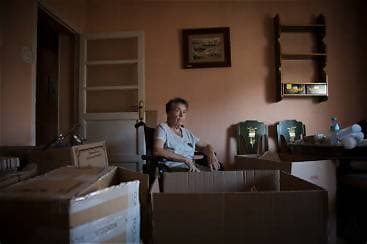
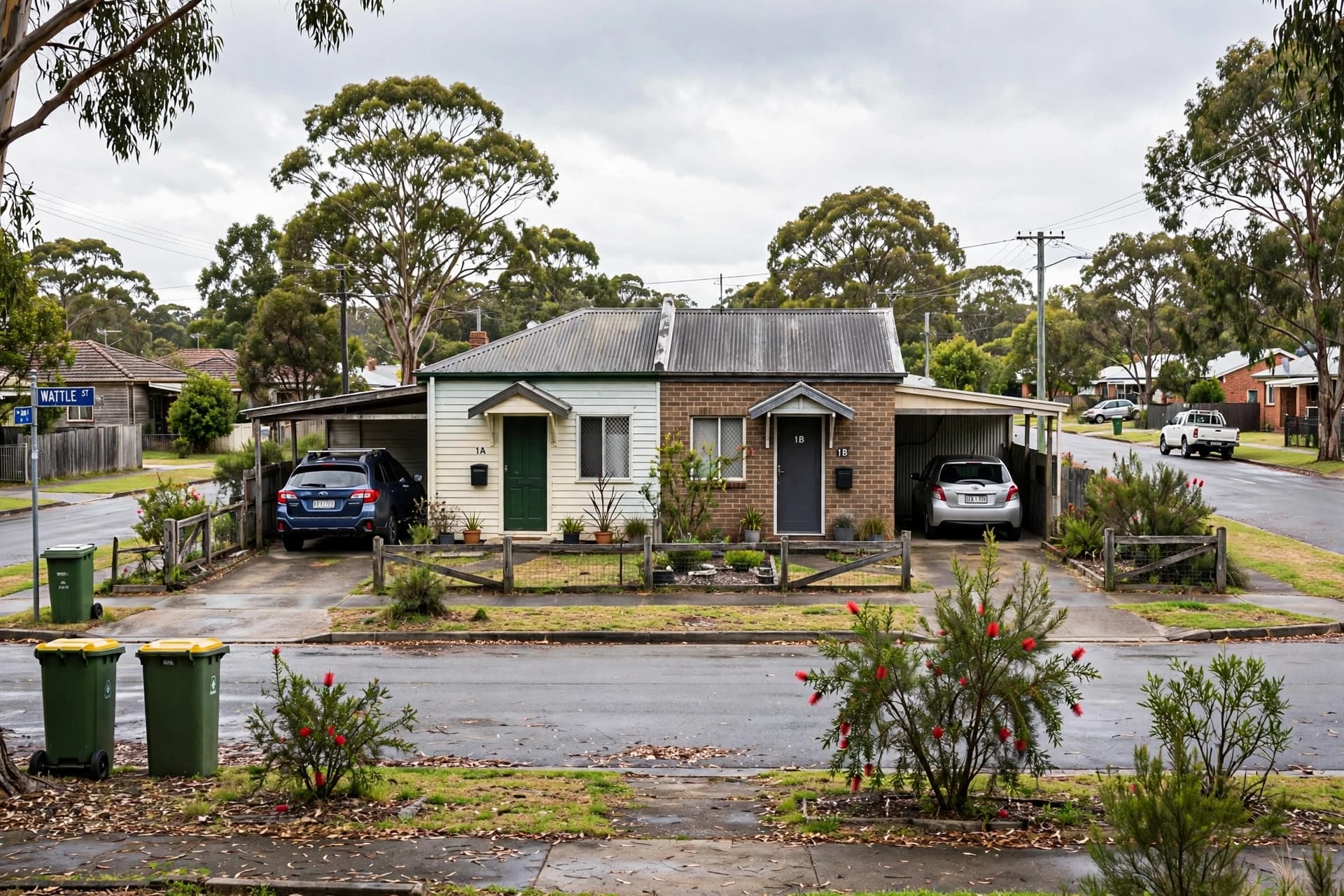
For Louise Taylor, 70, the arithmetic is not abstract. Five years ago, after "knockback after knockback" trying to find a rental on the private market, she accepted a small duplex north of Brisbane that barely accommodates her belongings. She is on the housing waitlist and has contacted support organizations, but on the pension, she fears what the next rent rise will mean. If it gets worse, she believes she will have no choice but to move in with her adult daughter—or into a share house .
Older women are the largest cohort living alone in Australia, and they are also among the most at risk of housing insecurity. Maggie Shambrook of the Housing Older Women's Network says many women in this cohort are living invisibly—couch-surfing or sleeping in vans as they search for something affordable and suitable. Systemic factors contribute: lower-paid professions, unpaid caring work, and the difficulty of building an asset base on a single income .
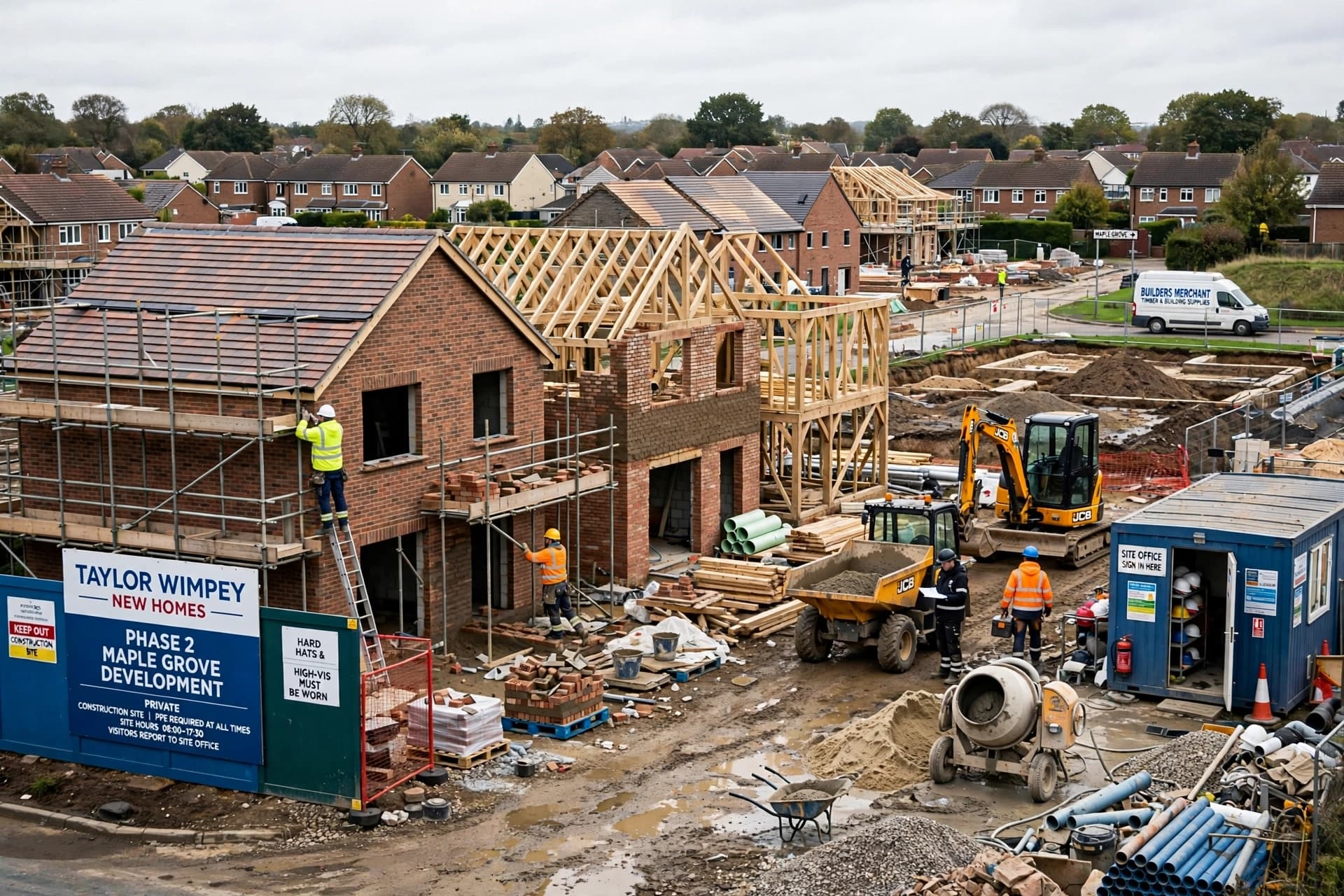
The problem is not merely one of income. Housing policy experts point to a shortage of smaller, well-located dwellings suited to single people—what the Australian Housing and Urban Research Institute calls the "missing middle." This type of housing remains stubbornly difficult to build because it is less profitable than apartments or detached homes .
The singles tax extends beyond rent. Utilities, groceries, and everyday expenses do not scale down for one person. The Australian Bureau of Statistics has estimated that 3.4 million to 4 million Australians will be living alone by 2046, a 30 to 50 percent increase from 2021 . As the number of solo households grows, the structures built with couples in mind become harder to ignore.
For now, the burden falls on those who live alone—and on a housing system that has yet to adapt to the shape of modern life.
AI Image Disclaimer: The images accompanying this article are generated by artificial intelligence and are intended for illustrative purposes only.
Sources: Australian Broadcasting Corporation, News.com.au, Yahoo Finance Australia, Finder
Published by Banx Network. This article is part of the Banx decentralized media programme, powered by the BXE token on the XRP Ledger.