There are times in public life when great ambitions press gently yet persistently against the slow rhythm of practical work, like wind shaping sand over time. So it is with Britain’s sweeping New Hospital Programme — a long‑term vision to rebuild and renew large parts of the NHS estate at a projected cost of £56 billion in capital funding, supported by a reset that aims to keep the effort on a credible course.
Recent updates from the National Audit Office suggest that the programme now rests on firmer foundations than it did under earlier plans, with the final wave of hospitals expected to be completed in the mid‑2040s. That outlook represents a more realistic timetable and cost estimate than earlier, overly ambitious targets that had raised scepticism among watchdogs and industry commentators.
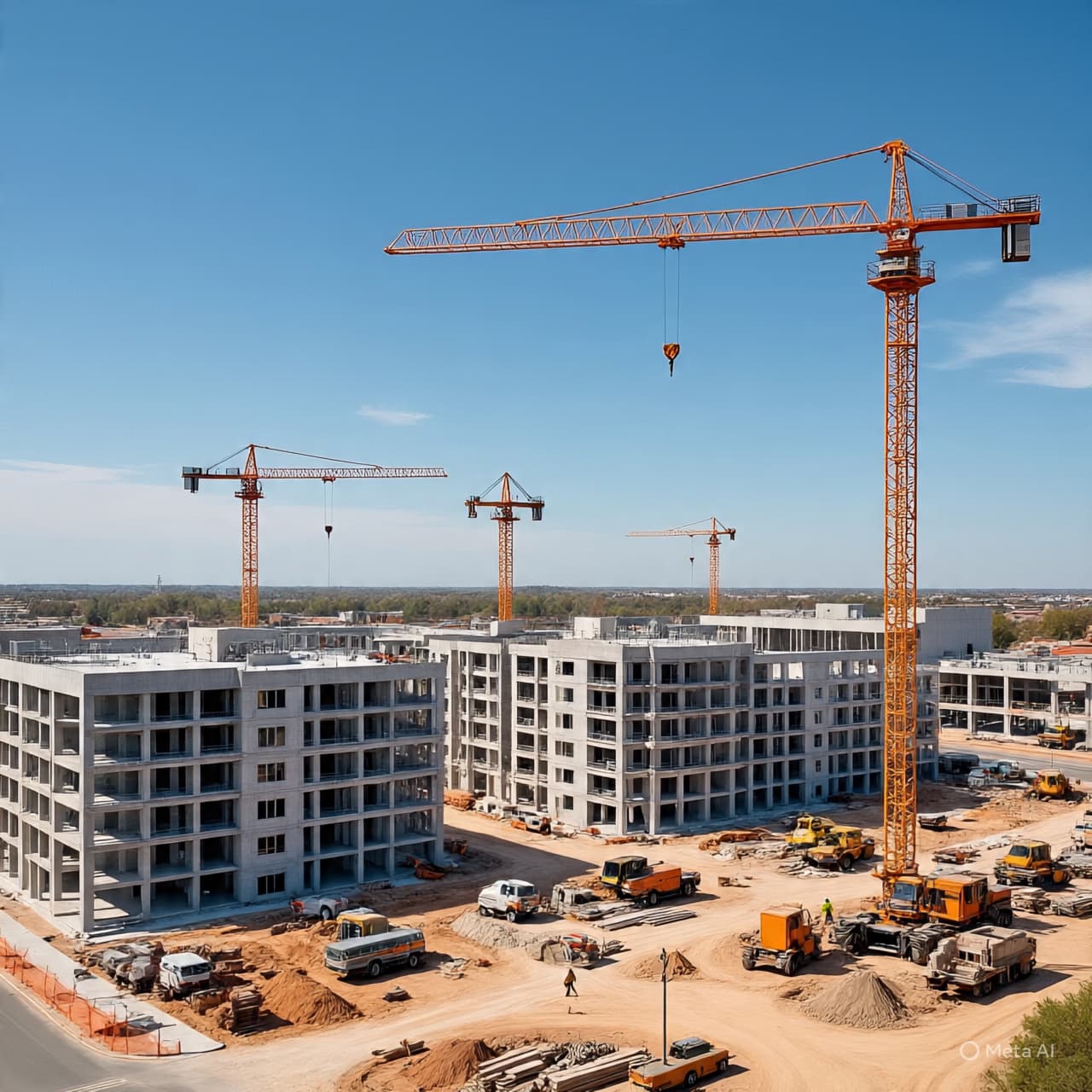
The scale of the task is vast: dozens of schemes across England are to be delivered over four waves, each requiring coordination among departments, trusts, contractors, and designers. Early milestones are approaching, with work to standardise the “Hospital 2.0” design — aimed at modernising layouts and improving efficiency — expected to be completed in the coming months, providing a blueprint for future work.
Yet, even as the programme steadies itself, the next years will test the confidence stakeholders have placed in it. The watchdog has flagged tight construction schedules across the early waves and warned that with limited contingencies built into plans, delays or cost rises could ripple through to later stages. These are not abstract concerns: seven hospitals prioritised for replacement due to reinforced autoclaved aerated concrete (RAAC) are now not expected to open until 2032–33, later than originally hoped.
Another current challenge lies not in brick and mortar, but in people. Significant vacancies within the programme’s delivery teams — approaching nearly 40 per cent in some public‑sector project roles — point to gaps in digital, technical, and commercial expertise that are rated as serious risks. Without the right mix of skills and capacity, even the best‑laid designs can be slowed by bottlenecks in decision‑making and project oversight.
For contractors and the industry, the reset has provided a clearer forward pipeline and stronger certainty over future work, with dozens of firms expressing interest and many now shortlisted for major contracts. Yet maintaining momentum across a multi‑decade build calls for sustained discipline, focus, and collaboration — qualities that can be challenged by economic shifts, workforce pressures, and evolving healthcare needs.
Patients and staff, meanwhile, continue to inhabit existing hospitals that in some cases have served local communities for decades. The extended timescale means that some facilities built with aging materials will remain in use longer than planned, bringing additional maintenance costs and operational pressures even as replacement work begins in earnest.
So this chapter of Britain’s health infrastructure story is written in both optimism and caution. The reset of the programme offers a clearer path forward — yet it also underscores how long, complex, and interwoven such national endeavours can be. In spaces where hope for better care meets the daily reality of planning and construction, the task ahead remains both inspiring in vision and demanding in delivery.
AI IMAGE DISCLAIMER Visuals are created with AI tools and are not real photographs.
SOURCES Associated Press Construction Enquirer BD&C Magazine LBC Specification Online
Published by Banx Network. This article is part of the Banx decentralized media programme, powered by the BXE token on the XRP Ledger.