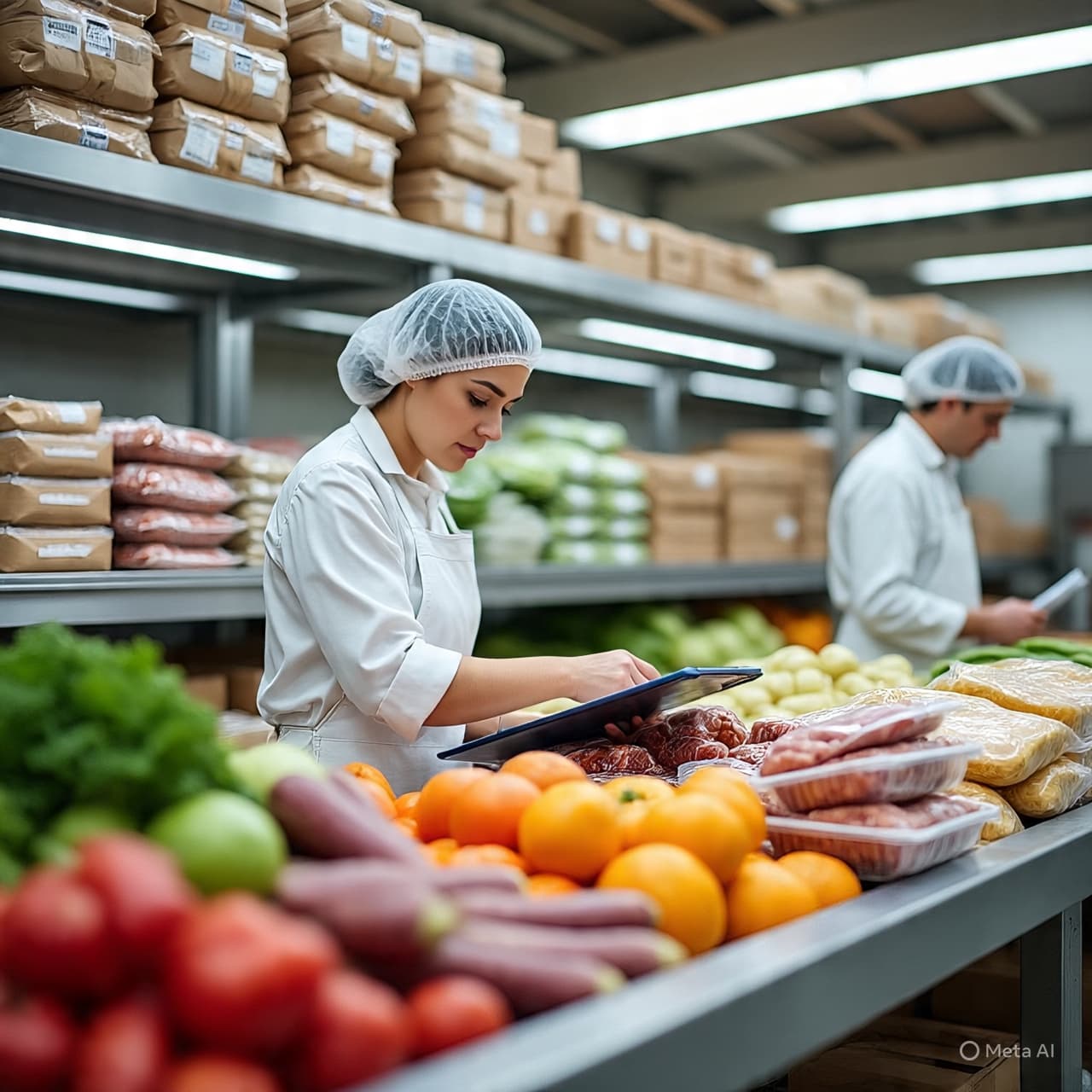
There is a familiar bustle in commercial kitchens, even on the quietest mornings—the clatter of stainless steel, workers moving through routines honed by years, and the soft hum of refrigeration that preserves both promise and precaution. In such places, the simplest ingredients are transformed into meals for diners, staff, and communities, and the smooth flow of product through freezers and counters becomes part of the rhythm of everyday service.
This week, that rhythm was interrupted in several states, including Ohio, where distributors and foodservice operators were asked to pause and check their stock. The reason was not a dramatic headline but the quiet discovery of a microscopic concern: potential contamination with Listeria monocytogenes in a batch of ready-to-eat grilled chicken breast fillets produced last October by Suzanna’s Kitchen, a Georgia-based supplier. Nearly 13,720 pounds of these fully cooked products, shipped in 10-pound cases to food service centers across seven states, were recalled after third-party laboratory testing detected the bacteria, prompting officials to urge that the product be removed from inventories and discarded.
The states affected—Alabama, Florida, Georgia, Missouri, New Hampshire, North Carolina, and Ohio—represent a wide stretch of the country where this poultry was destined for the steady, often unseen work of feeding staff in cafeterias, catering kitchens, and other communal dining spaces. The items carry specific lot codes and establishment numbers used by federal food safety authorities to help operators identify them.
What makes Listeria distinct among food-borne bacteria is both its resilience and the subtlety of its threat. Unlike some pathogens that cause immediate illness, Listeria symptoms can take days or even weeks to appear, and the risk is greatest for people whose immune systems are less robust—pregnant individuals, older adults, and those with underlying health conditions. While no illnesses linked to this recall have been reported so far, health authorities emphasize caution, advising those concerned about possible exposure to seek medical guidance.
In kitchens and storerooms, the recall serves as a pause for reflection and action. Chefs and foodservice managers, trained to weigh ingredients and timing with precision, now find themselves tracing lot codes and cleaning refrigerators, ensuring that nothing remains that could endanger patrons or staff. The task is not only regulatory but practical, a reminder that food safety systems—from production floors to distribution networks—depend on vigilance at every step.
The recall also underscores the invisible role of routine testing and oversight. Products like ready-to-eat grilled chicken fillets move quickly through supply chains, yet behind them lie laboratories and inspectors whose work often goes unnoticed until something prompts review. That review, in this case, led to a voluntary removal from circulation, a precautionary measure intended to prevent harm rather than respond to it after the fact.
In clear, direct terms: Suzanna’s Kitchen has recalled about 13,720 pounds of fully cooked grilled chicken breast fillet products that were distributed to foodservice locations in seven states, including Ohio, due to potential contamination with Listeria monocytogenes. Officials say no illnesses have been confirmed, but they advise discarding or removing any affected product and consulting a healthcare provider if illness is suspected.
AI Image Disclaimer Illustrations were created using AI tools and are not real photographs.
Sources (Media Names Only) Reuters Economic Times Fox 13 Tampa Bay Delish
Published by Banx Network. This article is part of the Banx decentralized media programme, powered by the BXE token on the XRP Ledger.