At the edge of the digital age, progress rarely arrives all at once. It gathers instead in layers — code written faster than concrete can be poured, ambition racing ahead of infrastructure. This quiet imbalance now shapes the landscape of artificial intelligence, where soaring demand for computing power meets the slower tempo of energy production.
The Trump administration has made clear its preference for natural gas as the backbone of America’s expanding AI economy. Data centers, sprawling and power-hungry, are rising across the country, each one requiring electricity at a scale once reserved for cities. Gas-fired plants, with their reliability and round-the-clock output, have been framed as the practical answer — a way to keep servers humming as AI models grow larger and more complex.
Yet energy systems do not bend easily to political urgency. Building new gas power plants is a process measured in years, not months. Developers must secure permits, arrange financing, line up turbine supply, and navigate local opposition and environmental review. Even expansions of existing facilities face bottlenecks in labor, equipment, and grid interconnection. The gap between policy declaration and physical delivery remains wide.
This timing mismatch is already visible to utilities and grid operators. Electricity demand forecasts have climbed sharply, driven in large part by AI data centers clustered near major population and transmission hubs. While gas is seen as a dependable option, the plants envisioned today may not come online until the latter part of the decade. In the interim, grids must rely on existing capacity, efficiency gains, and short-term fixes to manage rising loads.
The push for gas also unfolds against a broader energy backdrop shaped by market forces rather than directives alone. Gas prices fluctuate, pipeline capacity varies by region, and competition for turbines has intensified as countries worldwide pursue similar solutions. At the same time, renewable energy and battery storage continue to expand, sometimes faster to deploy, though still limited by intermittency and transmission constraints.
For the AI sector, the implications are practical rather than philosophical. Companies building data centers must plan around energy availability, signing long-term power contracts or investing directly in generation to secure supply. Some have already begun hedging their bets, pairing gas with renewables, storage, or efficiency improvements to bridge the years before new plants arrive.
None of this diminishes the administration’s intent. Natural gas remains abundant in the United States, and its role in supporting industrial growth is well established. But the physical world imposes its own calendar. Steel, concrete, and turbines cannot be summoned by announcement alone.
In plain terms, while the Trump administration is promoting natural gas as a key power source for the rapidly growing AI industry, new gas plants take years to build, leaving near-term electricity demand to be met by existing infrastructure and incremental solutions.
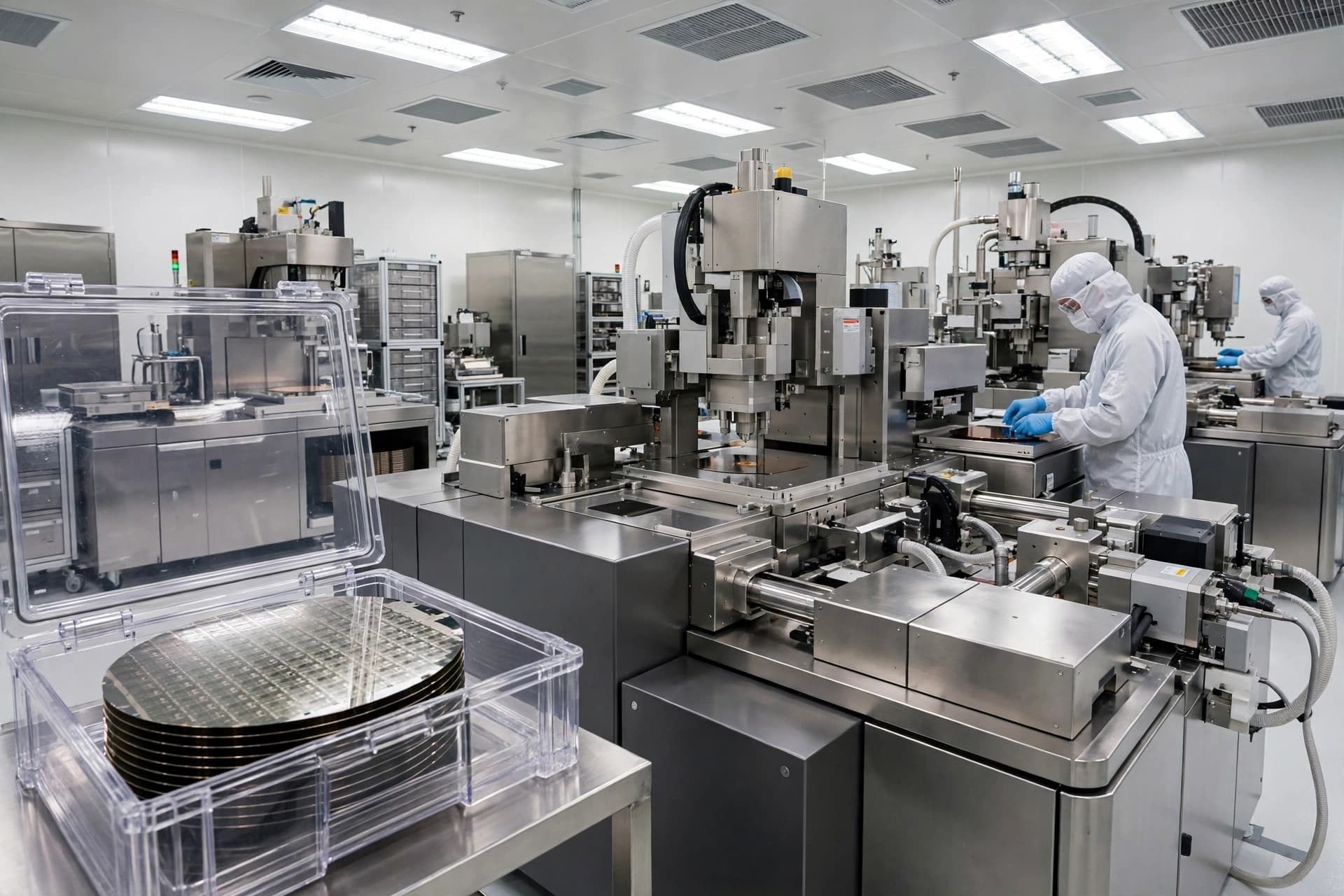
AI Image Disclaimer Illustrations were created using AI tools and are not real photographs.
Sources (Media Names Only) Reuters Bloomberg Associated Press
Published by Banx Network. This article is part of the Banx decentralized media programme, powered by the BXE token on the XRP Ledger.