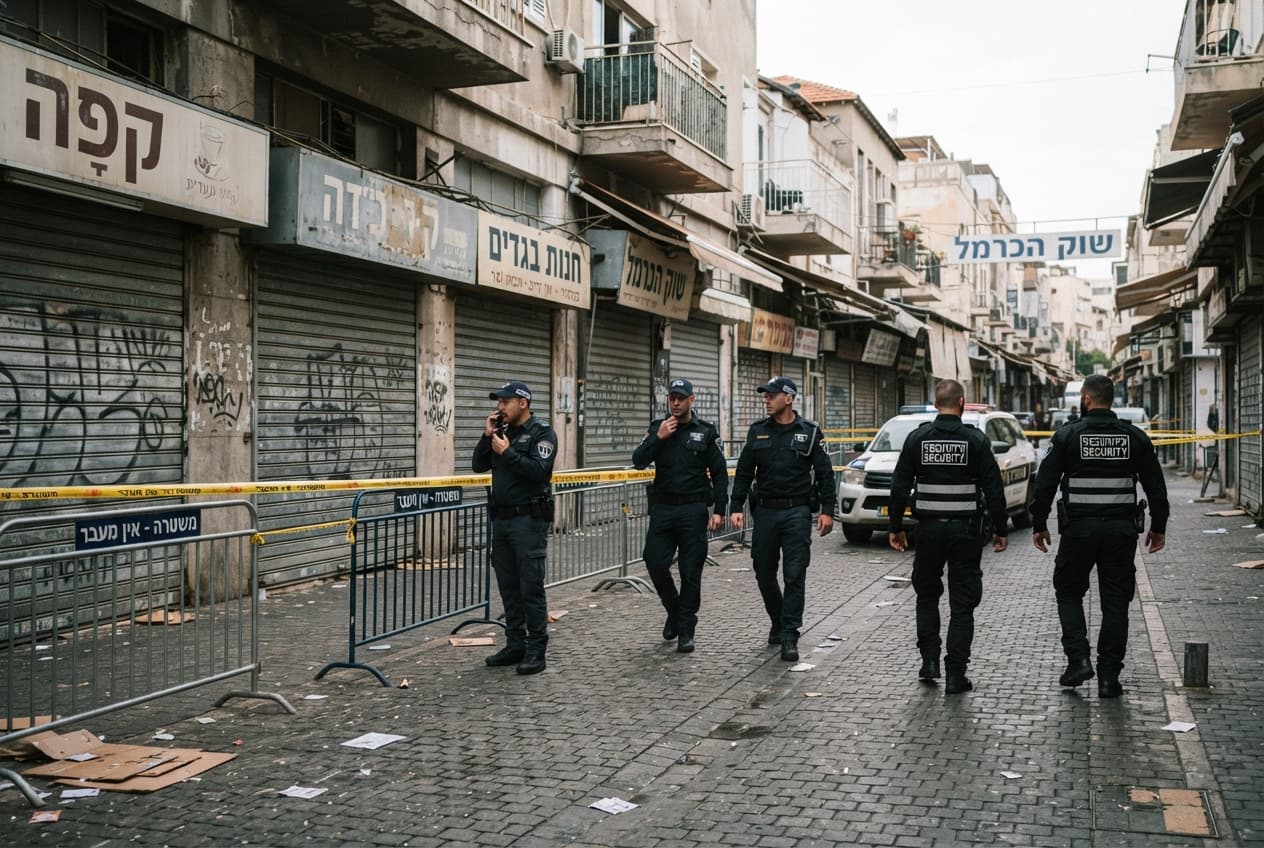
Even in a land shaped by urgency, time moves differently. In Gaza, days do not always arrive as clean pages on a calendar. They arrive as intervals between silence and sound, between stillness and disruption, between waiting and loss. Time here is not only counted—it is carried, heavy with memory and uncertainty, shaped by cycles of ceasefires, breakdowns, and brief pauses that rarely settle into permanence.
It is within this landscape that a new language of deadlines emerged. A statement attributed to an aide of Israeli Prime Minister Benjamin Netanyahu spoke of sixty days—two months measured not in seasons or prayer calls, but in ultimatum. The demand was direct: Hamas was to disarm within that window or face renewed military action. The words carried the tone of pressure rather than persuasion, of time as instrument rather than passage.
Hamas responded not with silence, but with refusal. The group rejected the notion of a disarmament deadline, stating that no such demand had been formally delivered through negotiations and that surrendering weapons was not part of any current framework. In their response, the idea of sixty days was treated less as a diplomatic proposal and more as a gesture of threat—language shaped by power rather than process.
Around this exchange lies a deeper terrain of history. Gaza has long existed under overlapping pressures: blockade, conflict, negotiations, and fragile truces. Disarmament has surfaced many times in political discourse, often framed as a prerequisite for reconstruction, security, or stability. Yet for armed groups within Gaza, weapons have been treated not as bargaining chips, but as symbols of resistance, survival, and leverage in a landscape where trust is scarce and guarantees feel temporary.
The language of ultimatums does not travel softly through such places. It moves like wind through broken structures—direct, forceful, and unbuffered. It carries echoes of earlier deadlines, earlier warnings, earlier red lines that dissolved into new phases of violence. For civilians, the words do not remain abstract. They settle into daily life as tension, as waiting, as fear that time itself may become the trigger for the next rupture.
Beyond Gaza, the statement rippled through diplomatic circles and media channels, framed as part of broader discussions about post-war arrangements, reconstruction, and security governance. Israeli officials have repeatedly linked demilitarization to long-term stability, while Hamas and allied groups have consistently rejected such frameworks unless accompanied by broader political guarantees and an end to military operations.
Between these positions lies a familiar stalemate: two narratives moving in parallel, rarely intersecting. One speaks in deadlines and conditions. The other speaks in resistance and refusal. Both move through a landscape already burdened by grief, displacement, and exhaustion.
Time continues, regardless of declarations. Sixty days will pass whether they are filled with dialogue, silence, or escalation. The sun will rise over damaged streets and crowded shelters. Aid trucks will move through narrow corridors. Families will measure time not in policy statements, but in electricity hours, water access, and the distance between calm nights and loud ones.
Hamas has publicly rejected the 60-day disarmament ultimatum attributed to a Netanyahu aide, saying it has not received a formal proposal and that disarmament is not part of current negotiations, amid ongoing ceasefire discussions and regional diplomatic efforts.
AI Image Disclaimer
Visuals are AI-generated and serve as conceptual representations.
Sources (Media Names Only)
Al Jazeera Reuters Associated Press The New Arab The Times of Israel
Published by Banx Network. This article is part of the Banx decentralized media programme, powered by the BXE token on the XRP Ledger.