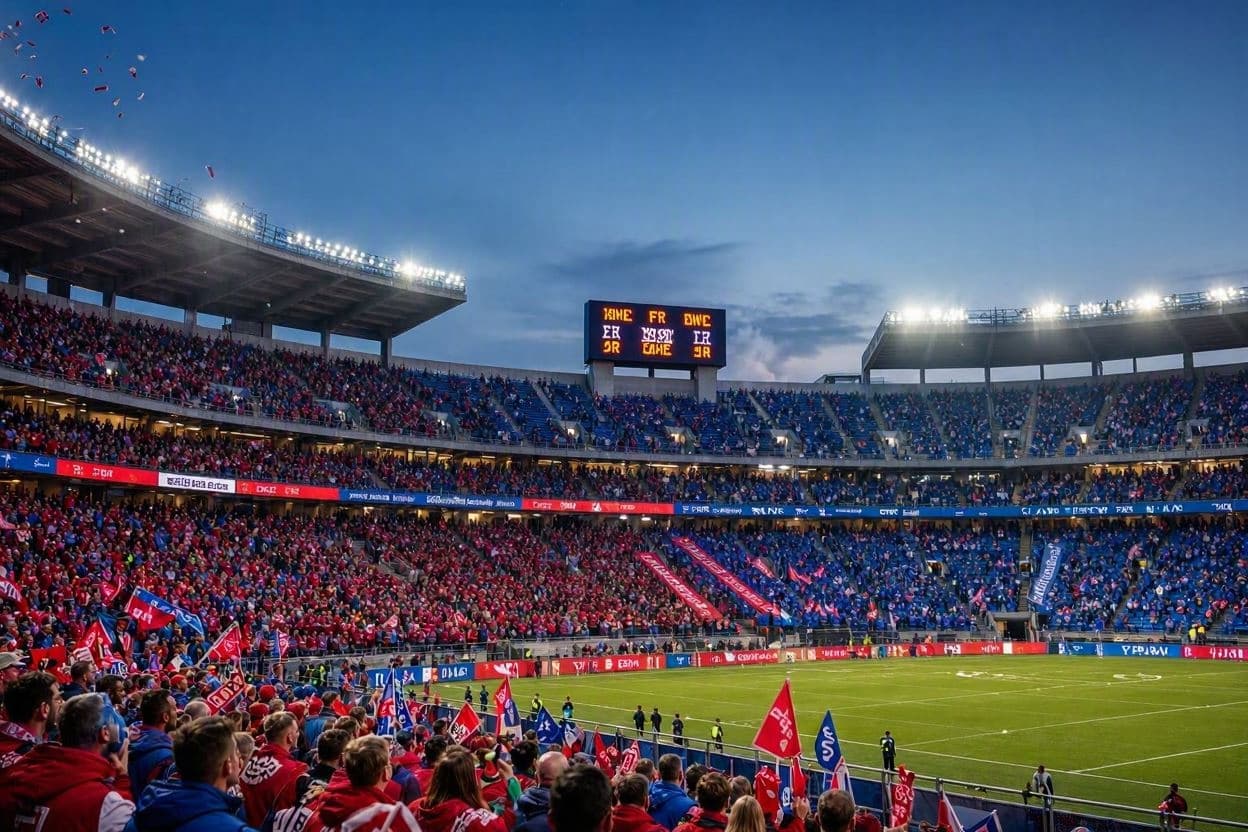
College football is more than a sport; it is a cultural ritual, filled with tradition, passion, and sometimes, raw emotion. When Lane Kiffin returned to Oxford, Mississippi, to lead the Ole Miss Rebels, the atmosphere was electric. Fans packed the stadium, eager to welcome back the coach who had once walked away under controversial circumstances. But amidst the cheers and applause, a different sound emerged from the stands—a profane chant directed at a rival university. This moment captures the intense, often unfiltered spirit of college sports, where loyalty and rivalry collide in unexpected ways.
Kiffin’s return was highly anticipated, marking a new chapter for the Ole Miss program. After leaving for Alabama in 2020, his departure was seen by some as a betrayal, but his success at Oklahoma and subsequent hiring by Ole Miss signaled a homecoming. The crowd’s energy was palpable, with thousands of fans wearing red and blue, waving flags, and singing fight songs. It was a celebration of redemption and renewed hope for the team’s future.
However, the highlight of the event was not just the coach’s arrival but the reaction of the student section. During a pause in the festivities, a group of students began chanting a vulgar phrase targeting Arkansas, a longtime SEC rival. The chant, though brief, spread quickly through social media, drawing both laughter and criticism. It reflected the deep-seated animosity between the two schools, a rivalry fueled by decades of competitive games and regional pride.
Athletic directors and university officials typically discourage such language, promoting sportsmanship and respect. Yet, in the heat of the moment, the lines between spirited support and inappropriate behavior can blur. The incident sparked a debate about the culture of college football, where passion often overrides propriety. While some viewed the chant as harmless banter, others saw it as a reflection of deeper issues in fan conduct.
Lane Kiffin, known for his offensive prowess and charismatic personality, did not publicly address the chant. His focus remained on the team and the upcoming season, emphasizing unity and performance. However, the incident served as a reminder that coaches operate within a complex social environment, where their actions and the reactions of their fans are closely watched. Managing this dynamic is part of the job, requiring both leadership and diplomacy.
The rivalry between Ole Miss and Arkansas has a long history, with memorable games and contentious moments. The profane chant, while shocking to some, is rooted in this historical context. It illustrates how sports serve as an outlet for communal identity and competition, allowing fans to express emotions that might otherwise remain suppressed. Understanding this context helps explain why such incidents occur, even if they are not condoned.
As the season progresses, the focus will shift to the field, where performance matters most. But the memory of the chant lingers, highlighting the passionate, sometimes unruly nature of college sports fandom. It invites reflection on how institutions can balance enthusiasm with respect, ensuring that the spirit of competition remains positive and inclusive.
Lane Kiffin’s return to Ole Miss was marked by enthusiastic support and a controversial chant from fans. While the incident highlights the intense rivalry culture in college football, it also underscores the need for balanced fan behavior. As the team moves forward, the focus remains on athletic achievement and community pride.
AI Image Disclaimer: Please be aware that images included in this article are AI-generated visualizations created for illustrative purposes and do not depict actual events on the ISS.
Sources: ESPN The Athletic CBS Sports Ole Miss Sports
Published by Banx Network. This article is part of the Banx decentralized media programme, powered by the BXE token on the XRP Ledger.