The waters of the Persian Gulf have long reflected more than sunlight. They have carried centuries of trade, migration, and memory, becoming a passage where commerce and culture often traveled together. Yet when tension settles over the sea, even familiar routes seem to move more cautiously, as though the horizon itself has become uncertain.
That uncertainty has deepened following the expansion of U.S. military strikes targeting Iranian-linked sites, a development that has been followed by additional retaliation across several parts of the Gulf region. Military installations, shipping corridors, and strategic infrastructure have all become part of a landscape shaped by heightened alert and growing security concerns. The rhythm of daily life continues, but it now unfolds beneath a heavier atmosphere.
Governments across the region have responded by strengthening defensive measures while monitoring developments closely. Naval patrols have increased in important waterways, and commercial operators have reviewed routes through some of the world's busiest maritime corridors. The Gulf remains one of the most significant arteries for global energy exports, making every shift in security a matter watched far beyond the region itself.
Iran has maintained that its responses are directed at what it views as military aggression, while the United States has stated that its operations are intended to reduce threats posed by Iranian-backed groups. Between these competing narratives lies a widening space where diplomacy struggles to regain its footing, even as military actions continue to shape events on the ground.
Communities living along the Gulf coastline experience these developments not only through official statements but also through subtle changes in everyday routines. Fishermen depart before sunrise as they always have, cargo vessels continue crossing familiar channels, and airports remain active. Yet conversations increasingly turn toward regional stability, reflecting the awareness that distant decisions can quickly ripple across nearby shores.
Global markets have reacted with caution as investors monitor the possibility of disruptions to oil production and maritime transport. Even modest interruptions in shipping through strategic waterways could influence energy prices, insurance costs, and supply chains extending across multiple continents. The Gulf's geography gives local events an international reach that few regions possess.
International organizations and several governments have renewed calls for restraint, emphasizing the importance of preventing further escalation. Diplomatic channels remain active despite strained relations, illustrating that negotiation often continues quietly even when public attention is fixed on military developments. History has shown that dialogue frequently survives in places where headlines suggest only confrontation.
Military analysts note that the current cycle of action and retaliation reflects a broader regional pattern in which direct and indirect responses can continue over extended periods. Each operation influences strategic calculations on all sides, increasing the importance of communication aimed at preventing unintended escalation. Stability often depends not only on military capability but also on careful judgment.
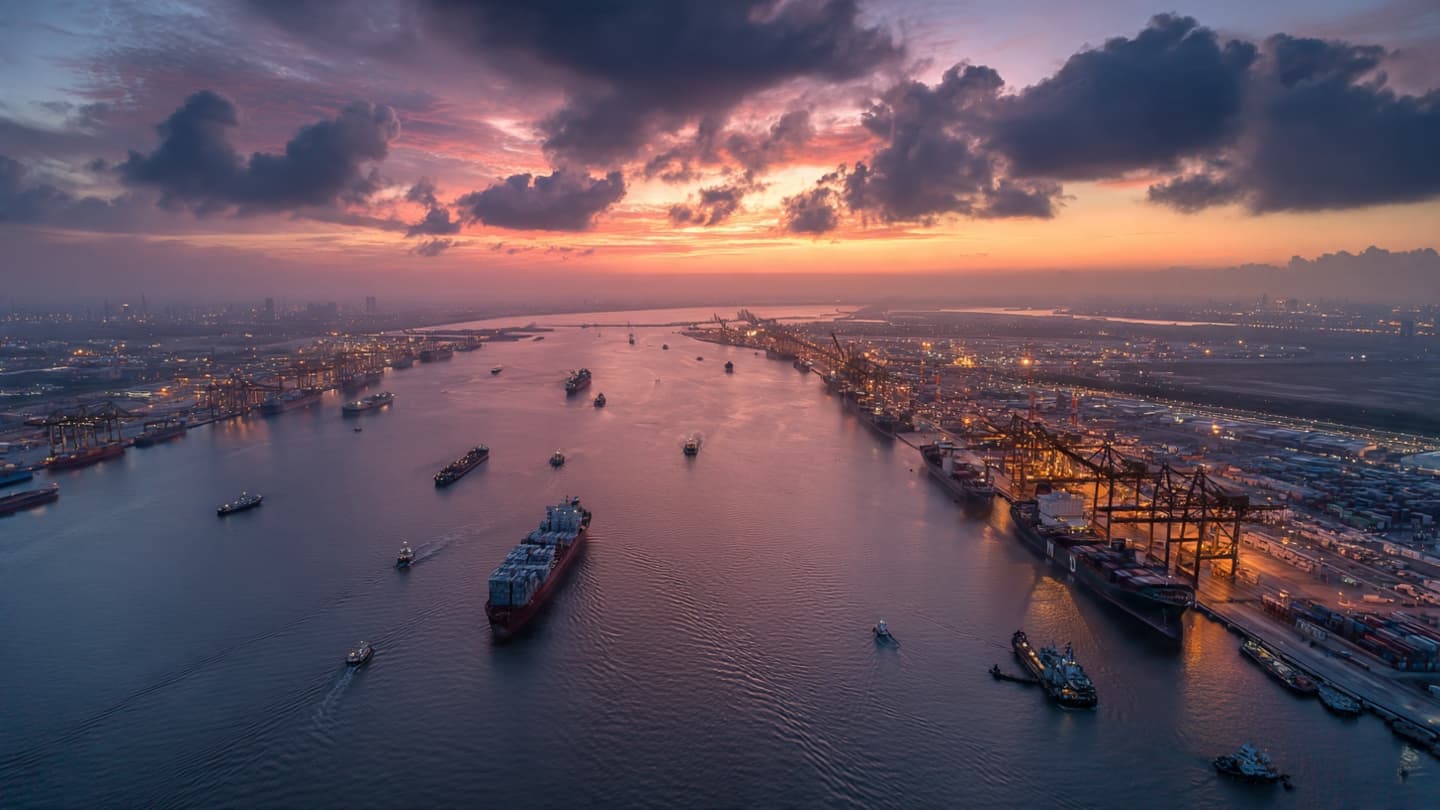
As another evening settles over the Gulf, merchant ships still trace their paths across the water while city lights appear along distant coastlines. The sea continues to connect nations whose histories remain deeply intertwined, even during moments marked by uncertainty. Whether the coming days bring further confrontation or renewed diplomacy, the region once again reminds the world that calm waters are never merely defined by the absence of waves, but by the choices made before the next tide arrives.
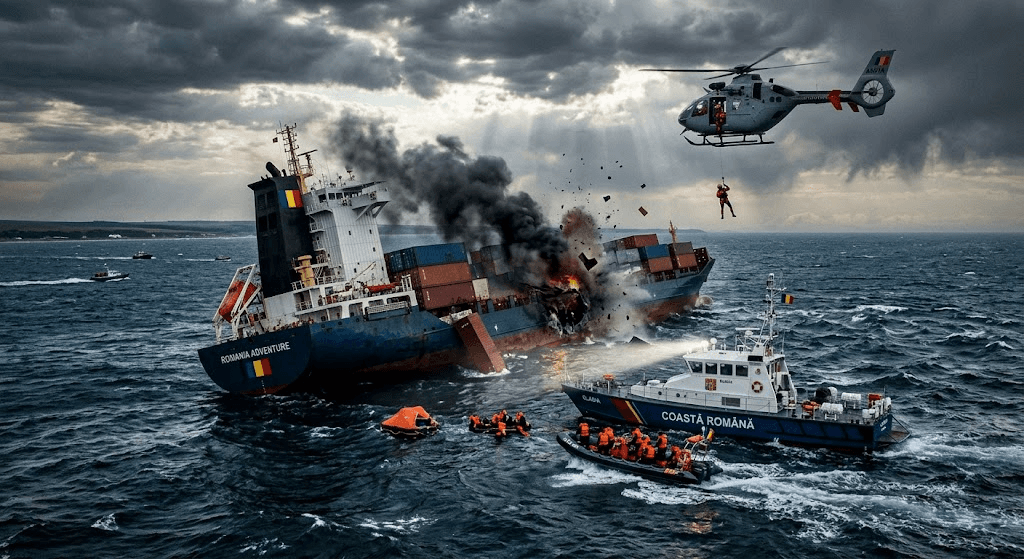
AI Image Disclaimer Illustrations were created using AI tools and are intended as conceptual representations rather than authentic photographs.
Sources Reuters Associated Press BBC News Al Jazeera The Wall Street Journal
Published by Banx Network. This article is part of the Banx decentralized media programme, powered by the BXE token on the XRP Ledger.