There is a particular rhythm to Indonesia’s economy around Ramadan and Eid. Shops become busier, roads fill with travelers, households prepare for celebrations, and spending rises across many parts of the country. When the festive season passes, that rhythm naturally changes, leaving businesses and economists to observe what remains beneath the seasonal surge.
Indonesia was expected to record slower economic growth in the second quarter of 2026 as household consumption and exports weakened after the Ramadan period. Economists surveyed by Reuters had projected annual growth of about 5.0%, below the 5.59% recorded in the first quarter. (reuters.com)
The eventual figure came in somewhat stronger, at 5.29%, showing that the economy retained more momentum than some forecasts suggested. Still, the moderation highlighted the importance of distinguishing seasonal strength from underlying economic activity.
Household consumption is particularly significant because domestic spending accounts for more than half of Indonesia’s economy. A change in consumer behavior can therefore influence retailers, manufacturers, transportation providers, and service businesses across the country.
After the Ramadan and Eid period, some of the spending associated with travel, food, clothing, and celebrations naturally recedes. Businesses then return to a more ordinary cycle, where demand depends increasingly on household income, employment, prices, and consumer confidence.
Exports provide another source of uncertainty. Indonesia remains an important global supplier of commodities and processed resources, but international demand can fluctuate depending on industrial production, commodity prices, and conditions in major trading partners.
The government has been attempting to strengthen domestic sources of growth through investment and industrial development. Downstream processing, manufacturing, infrastructure, and financial services are among the areas viewed as potential engines for longer-term expansion.
For businesses, the second half of the year may therefore depend on whether investment can compensate for softer seasonal consumption. New projects can generate employment and demand, but they also require companies to maintain confidence in future market conditions.
The external environment remains equally important. Indonesia's export-oriented industries are connected to global trade flows, meaning changes in shipping costs, commodity demand, and international supply chains can eventually be felt by domestic producers.
The second-quarter growth figure ultimately offered a mixed but relatively resilient picture. Indonesia expanded faster than some analysts expected, yet the slowdown from the first quarter showed that the economy is moving into a period where sustainable demand and investment will matter more than the temporary acceleration surrounding the festive season.
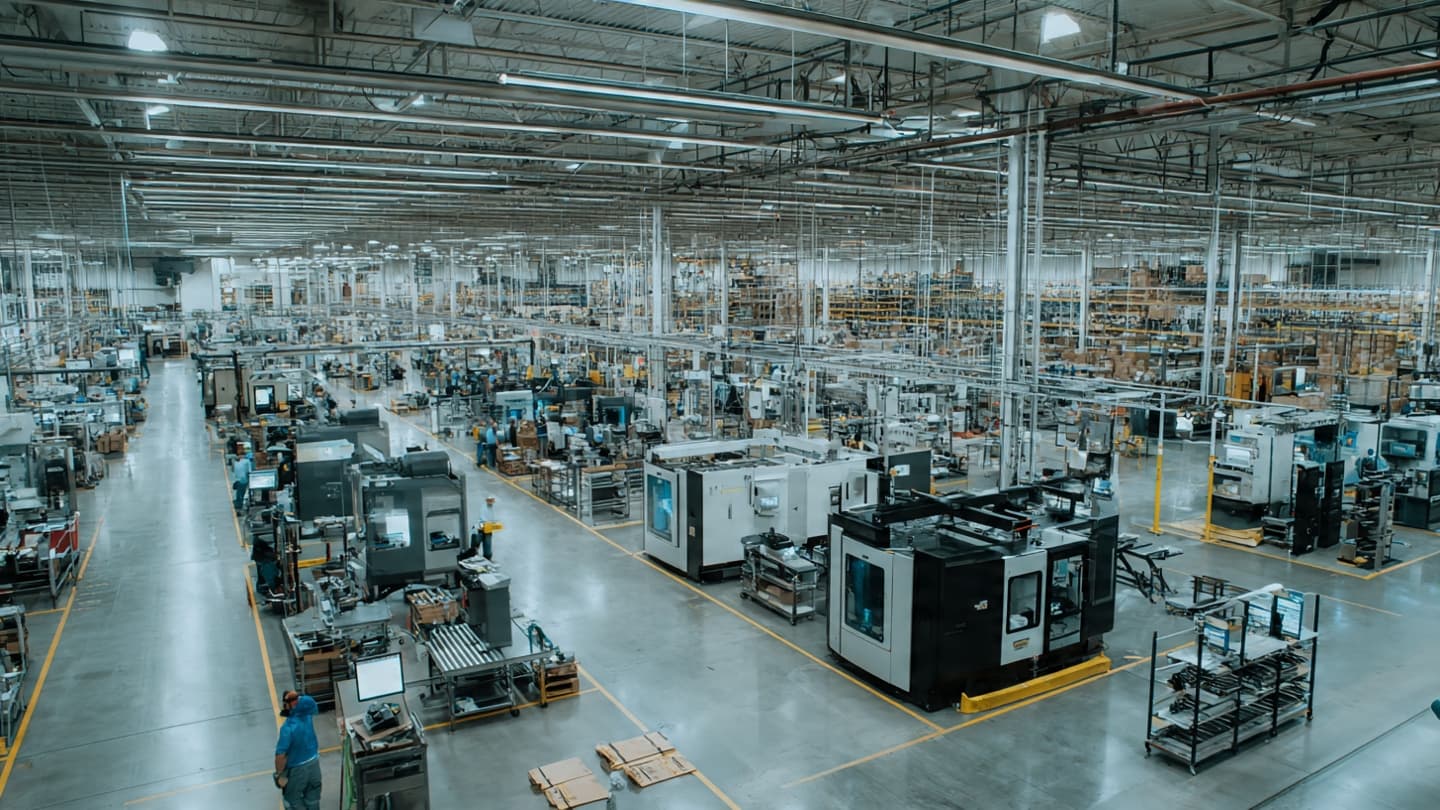
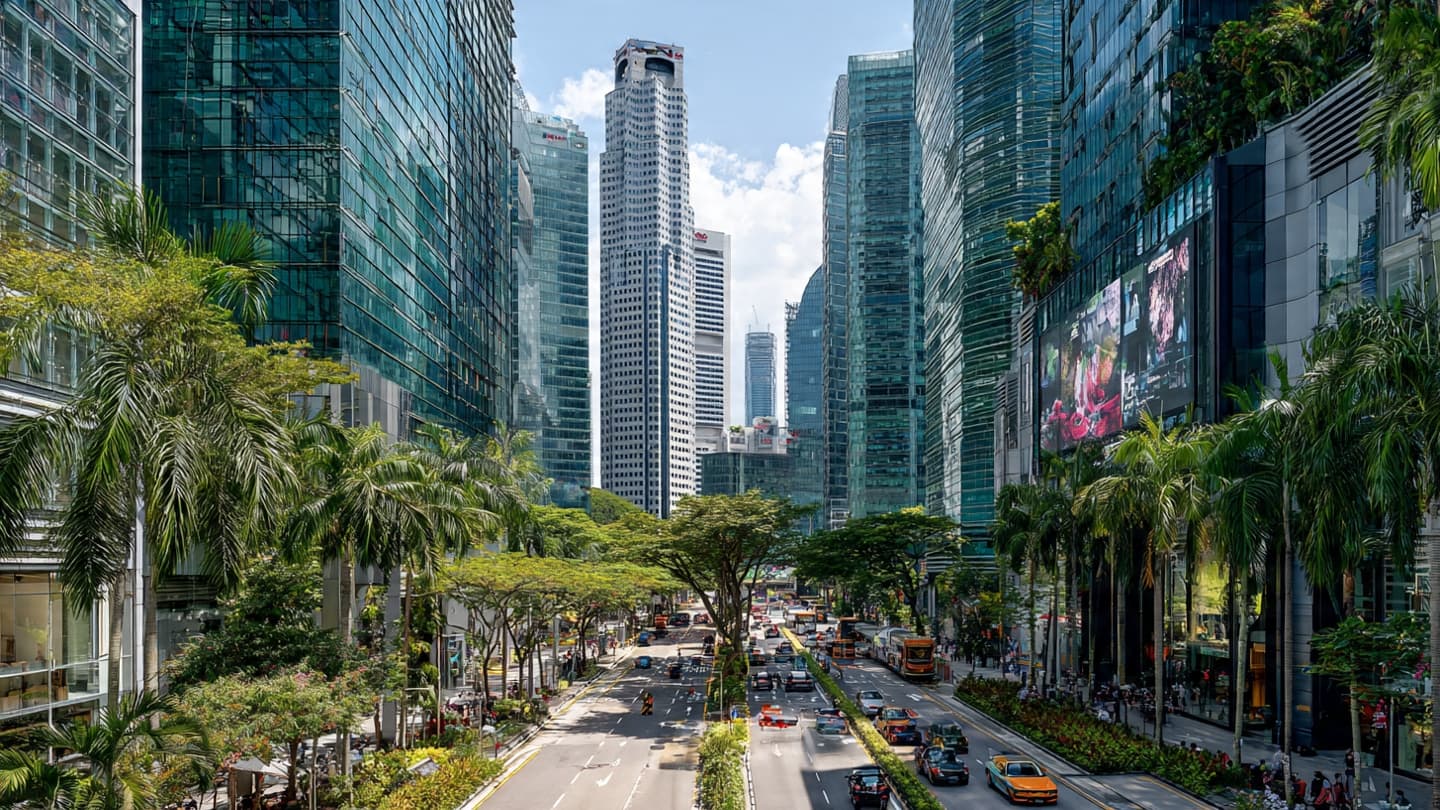
AI Image Disclaimer These images were produced using AI technology for conceptual illustration and should not be mistaken for photographs of actual Indonesian economic activity.
Sources Reuters Statistics Indonesia
Published by Banx Network. This article is part of the Banx decentralized media programme, powered by the BXE token on the XRP Ledger.