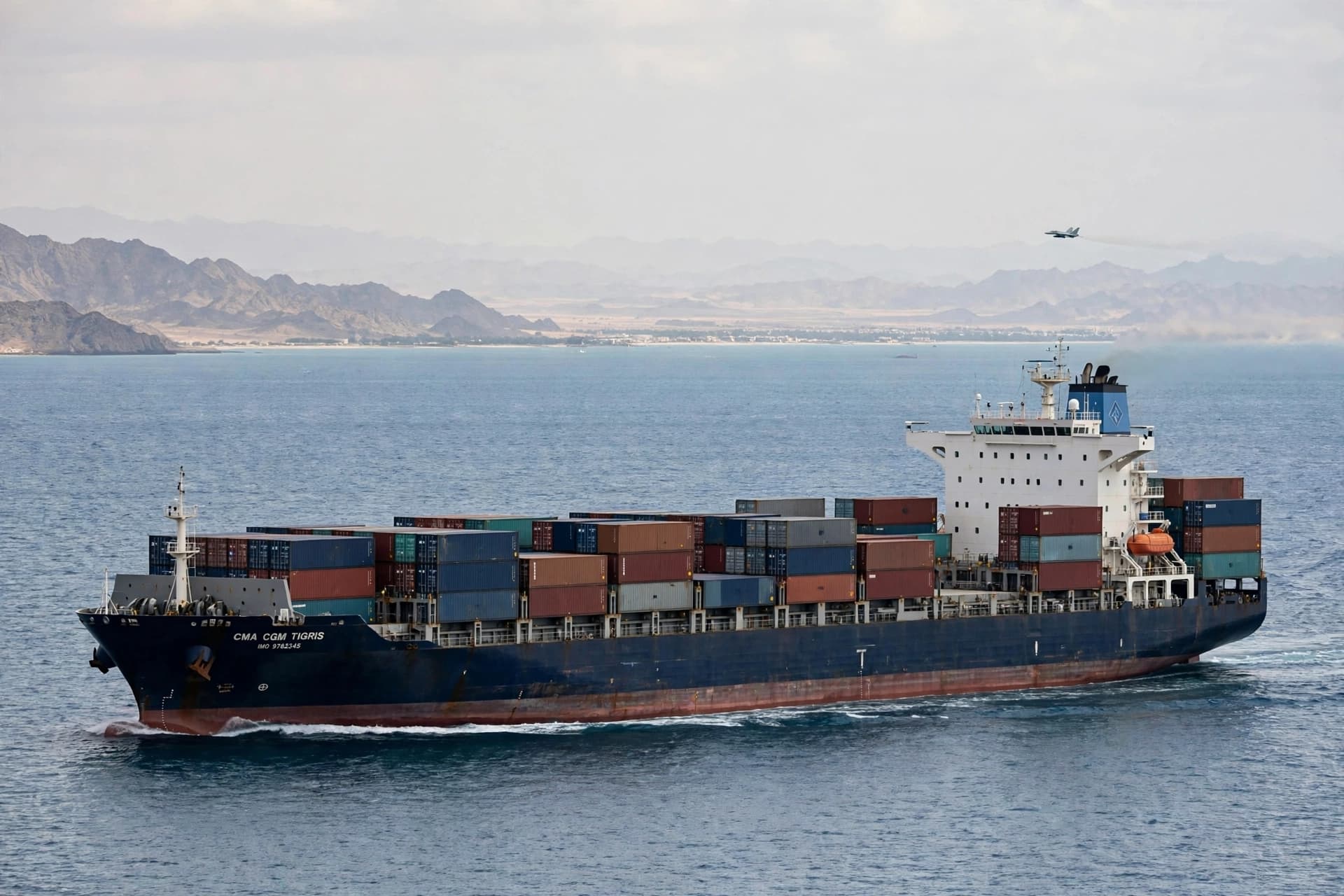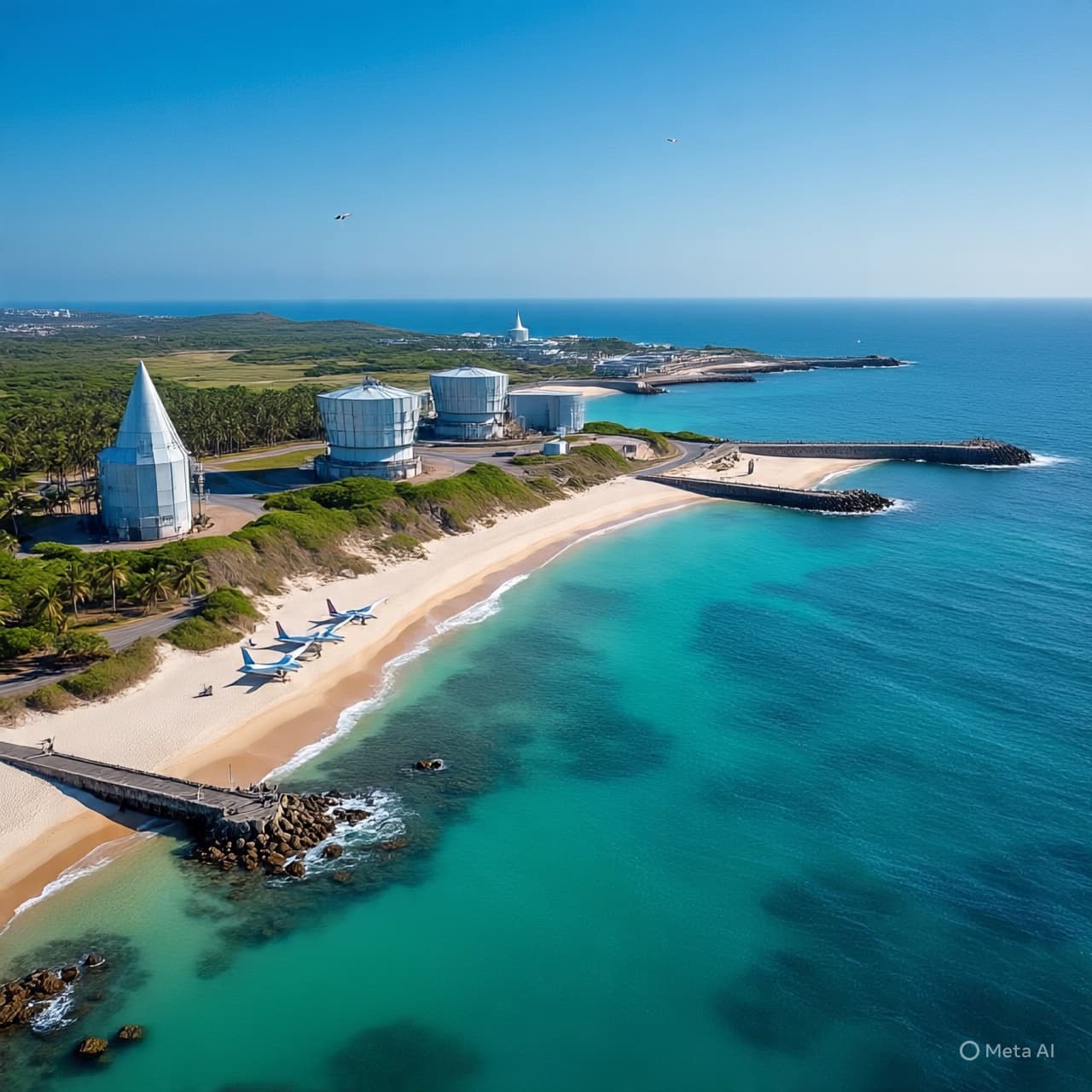
At the far western edge of Japan, where the sea meets sky in an open horizon, lies a small island whose quiet rhythms of fishing, farms and seasonal tides have long shaped everyday life. Yonaguni, part of Okinawa Prefecture and home to roughly 1,600 residents, is now increasingly seen through the lens of geopolitics — a place where strategy and serenity coexist uneasily amid rising regional tension.
Yonaguni is Japan’s westernmost inhabited island, situated about 110 kilometers (68 miles) east of Taiwan. Its position along what strategists call the “first island chain” — a string of islands stretching from Japan through Taiwan to the Philippines — has long given it latent strategic significance. Yet recent years have transformed that quiet potential into palpable prominence as Tokyo bolsters its defenses in response to China’s growing military assertiveness and increasingly frequent drills around Taiwan.
Once known for subtropical beaches, hammerhead shark diving spots and unique local culture, Yonaguni has become part of Japan’s broader effort to strengthen national security along its southwest approaches. The government has invested in radar arrays, surveillance facilities and expanding military units on the island to monitor movements in adjacent waters and airspace — a shift that reflects Tokyo’s evolving security posture. Japan’s defence minister recently highlighted plans to station medium-range air defence systems there, aimed at deterring potential threats and helping monitor activity around Taiwan.
This buildup comes amid wider strategic recalibrations in the region. Diplomatic and military positioning between Japan and China has intensified in the context of ongoing tensions over Taiwan’s future. Japanese political leaders have made statements suggesting support for Taiwan’s defense in the event of a Chinese attack, prompting sharp reactions from Beijing and contributing to a wariness that stretches from Tokyo’s halls of power to Yonaguni’s streets.
For residents, these changes are a mixture of practical reality and emotional dissonance. Some welcome the security enhancements and the economic activity that additional personnel and infrastructure bring to an island with a shrinking and ageing population. Others worry that Yonaguni’s strategic profile makes it more visible to great-power competition, where local life — mulberry farms, community festivals, and family routines — intersect with broader narratives of deterrence and defense.
China’s response to Japan’s actions has been unequivocal. Beijing has labeled the defensive deployments as “extremely dangerous” and unjustifiably provocative, warning that such steps risk stoking confrontation rather than calming it. Chinese officials have expressed concern that foreign military ties and enhanced deployments near Taiwan could destabilise regional peace.
Yet, as the sun sets over Yonaguni’s coral shores each evening, life goes on. Children walk home from school, fishermen steer their boats toward familiar coves, and elders recall stories of an island once defined by nature’s rhythms rather than strategic significance. In this blending of old life and new purpose, Yonaguni stands as a testament to both continuity and change — a tiny place where the currents of history and geopolitics converge, reminding us that even the smallest communities can find themselves part of larger global tales.
AI Image Disclaimer “Visuals are created with AI tools and are intended for conceptual representation only.”
Sources
• The Indian Express (via New York Times reporting)
• Taipei Times / Bloomberg coverage
• South China Morning Post reporting
• Reuters / Associated Press context via regional security news
• CSIS analysis on Japan–China tensions
Published by Banx Network. This article is part of the Banx decentralized media programme, powered by the BXE token on the XRP Ledger.