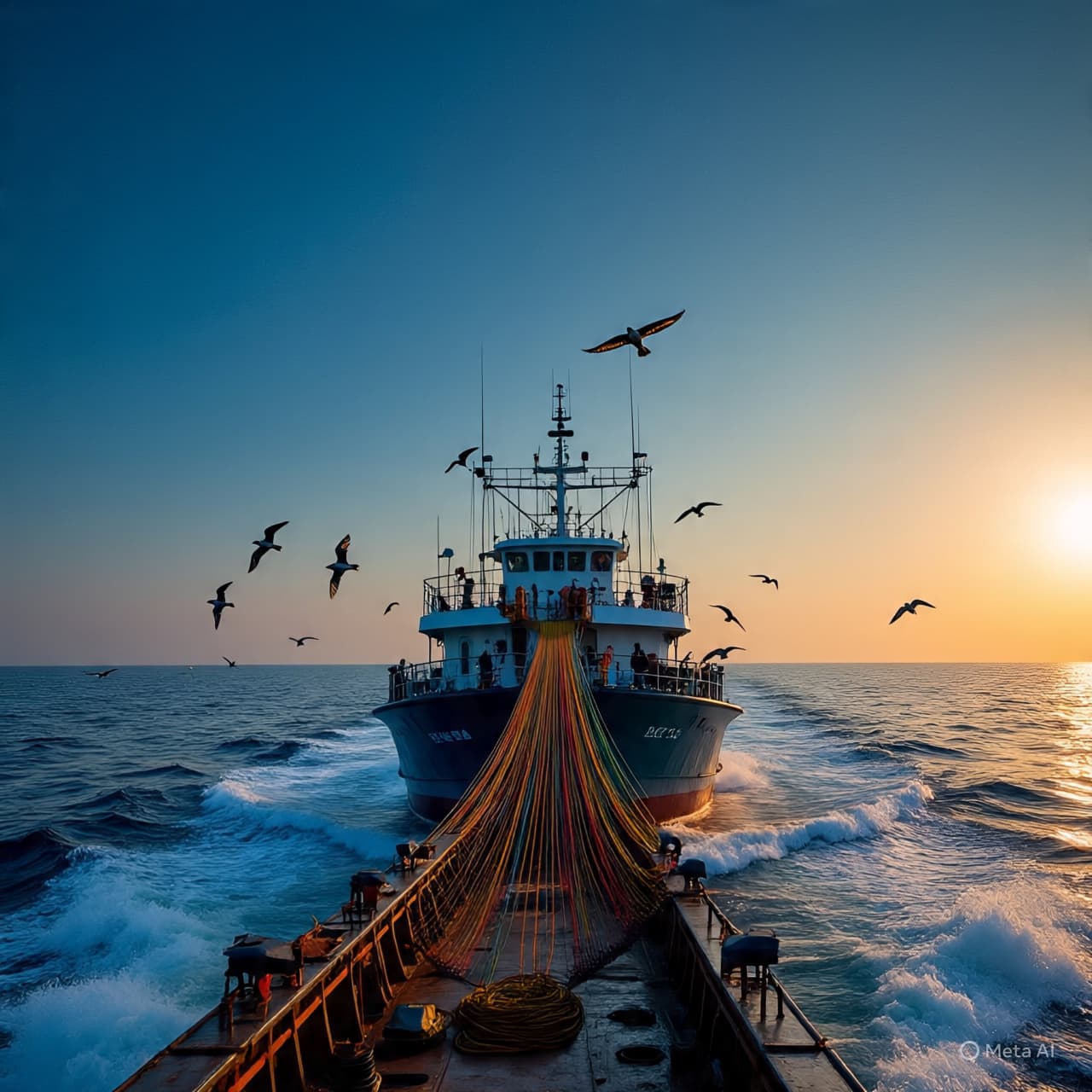
Out on the wide blue reaches off South Africa’s coast, where the Atlantic swells roll under an open sky and the wind whispers across the water, some of the ocean’s great wanderers glide on steady wings. The albatross, with its long wingspan and endless flights across seas, is one of nature’s most remarkable seabirds — but its life at sea brings it perilously close to an unexpected danger: the very fishing vessels that ply these productive waters. When long fishing lines trail behind trawlers and baited hooks tempt hungry seabirds, these birds often mistake opportunity for safety and become entangled or dragged underwater, a phenomenon known as bycatch that has driven many albatross species toward threat of extinction.
Alongside local communities, scientists and conservationists in South Africa have mounted a determined response to this crisis. At the heart of the effort is the Albatross Task Force, a specialised initiative that works with fishers to adopt practices that dramatically reduce accidental seabird deaths. Simple but ingenious, one such measure is the deployment of “bird-scaring lines” — brightly striped streamers that hang alongside fishing gear, acting much like nautical scarecrows to keep birds away from dangerous hooks and cables. These lines have been shown to cut albatross deaths by up to 90–99% in South Africa’s hake trawl fishery, offering a rare conservation success in a world where many seabird populations continue to decline.
The problem is starkly clear: albatrosses spend much of their lives at sea, following fishing vessels that toss off discarded fish and bait, and in doing so risk fatal entanglement. Longline fishing, for example, can stretch 100 kilometres or more with thousands of baited hooks that entice curious birds — only to snare them and drag them under as the lines sink.
South Africa’s experience offers a hopeful model. Thanks to cooperation between fishers, conservationists, and certification bodies like the Marine Stewardship Council (MSC), previously high seabird bycatch rates have plummeted in areas where mitigation measures are practised. In the once risk-filled waters off South Africa’s western coastline, seabird mortality dropped by 90% or more, and accidental albatross deaths were reduced to a fraction of their former numbers.
Crucially, these conservation measures work with the economic flow of fishing rather than against it. For example, local coastal groups produce the bird-scaring lines, providing livelihoods and strengthening community engagement in marine stewardship. By encouraging fishers to deploy deterrent devices, set lines at night when birds are less active, and improve how offal is managed, the industry now exemplifies how sustainable practices can benefit both wildlife and commerce.
These efforts in South Africa also tie into broader international conservation agreements such as the Agreement on the Conservation of Albatrosses and Petrels (ACAP), which seeks to coordinate measures across nations to protect these remarkable seabirds throughout their global range.
Yet the challenge is far from over. With albatrosses producing just one egg every one to two years and spending much of their lives at sea, even small gains in mortality can make a huge difference to population stability. Continued vigilance, improved technology, and expanded uptake of effective practices across global fisheries will be essential to ensure that these ocean wanderers continue to soar above the waves rather than be lost beneath them.
AI Image Disclaimer Visuals are AI-generated illustrations intended for concept only and not real photographs.
Sources South Africa albatross conservation and bycatch problem (Yahoo News Singapore) South African task force cuts albatross deaths (BBC-reported summary) BirdLife South Africa albatross mitigation overview Marine Stewardship Council on South African fishery certification BirdLife International Marine Programme context on seabird bycatch
Published by Banx Network. This article is part of the Banx decentralized media programme, powered by the BXE token on the XRP Ledger.