
Key Highlights
- Nationwide Strike:Train drivers in Spain initiated a three-day strike on February 9, 2023, protesting safety concerns.
- Fatal Accidents:The strike was prompted by two deadly rail accidents in January, one in Andalusia and another in Catalonia.
- Preliminary Agreement:After negotiations, major unions suspended further strike days following a commitment to improve safety and staffing.
On February 9, 2023, train drivers across Spain commenced a three-day nationwide strike, a significant industrial action aimed at addressing ongoing safety concerns within the country's rail system. This strike, organized by the Semaf union and supported by other labor organizations, was a direct response to two tragic rail accidents that occurred in January, which raised alarms about the safety of Spain's rail infrastructure.
The first incident took place in Andalusia, where a high-speed train derailment near Adamuz resulted in numerous fatalities, marking one of the most catastrophic rail disasters in recent memory. Just two days later, another commuter train derailed in Catalonia, exacerbated by severe weather conditions and existing infrastructure issues, leading to the death of a trainee driver and injuries to several passengers. These events prompted widespread concern among commuters and rail workers alike, highlighting the urgent need for improvements in safety protocols and infrastructure maintenance.
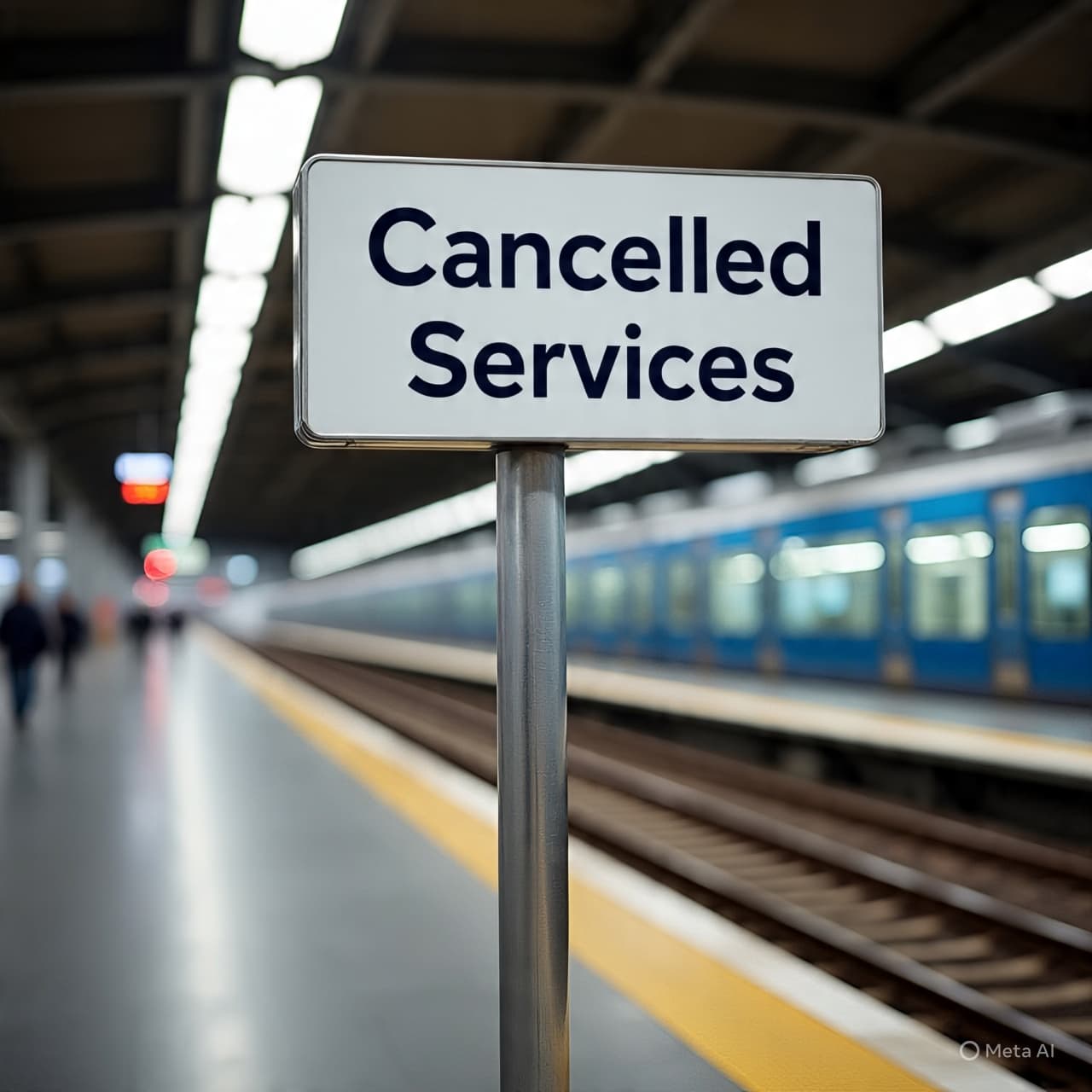
In the wake of these tragedies, the Semaf union, along with CCOO and UGT, called for a strike to demand increased investment in rail safety, more inspectors, and a stronger maintenance culture. The strike disrupted services across the national rail network, with many trains canceled or delayed, particularly affecting long-distance and commuter routes. Despite official minimum service requirements intended to ensure essential travel, many regions reported significant breaches, leaving passengers stranded at stations.
As the strike unfolded, negotiations between union representatives and the Spanish Ministry of Transport intensified. By the end of the first day, a preliminary agreement was reached, which included commitments to enhance safety measures, increase staffing levels, and improve maintenance practices. In light of these developments, the main unions announced the suspension of the strike beyond its initial day, although smaller unions expressed their intent to continue their actions, emphasizing that the dialogue around safety and infrastructure must persist.
The return of train services brought a sense of relief to many commuters, who had faced uncertainty during the strike. However, the events underscored the vulnerabilities within Spain's rail system and the importance of addressing safety concerns proactively. The collective action of the train drivers not only highlighted the critical issues at hand but also demonstrated the power of organized labor in advocating for necessary changes in public safety and infrastructure.
As trains resumed their journeys across the polished tracks, the echoes of the strike lingered, reminding all stakeholders of the ongoing need for vigilance and investment in the safety of Spain's railways. The promise of improved safety measures and the commitment to ongoing dialogue between unions and the government signal a hopeful path forward for the future of rail travel in Spain.
Published by Banx Network. This article is part of the Banx decentralized media programme, powered by the BXE token on the XRP Ledger.



