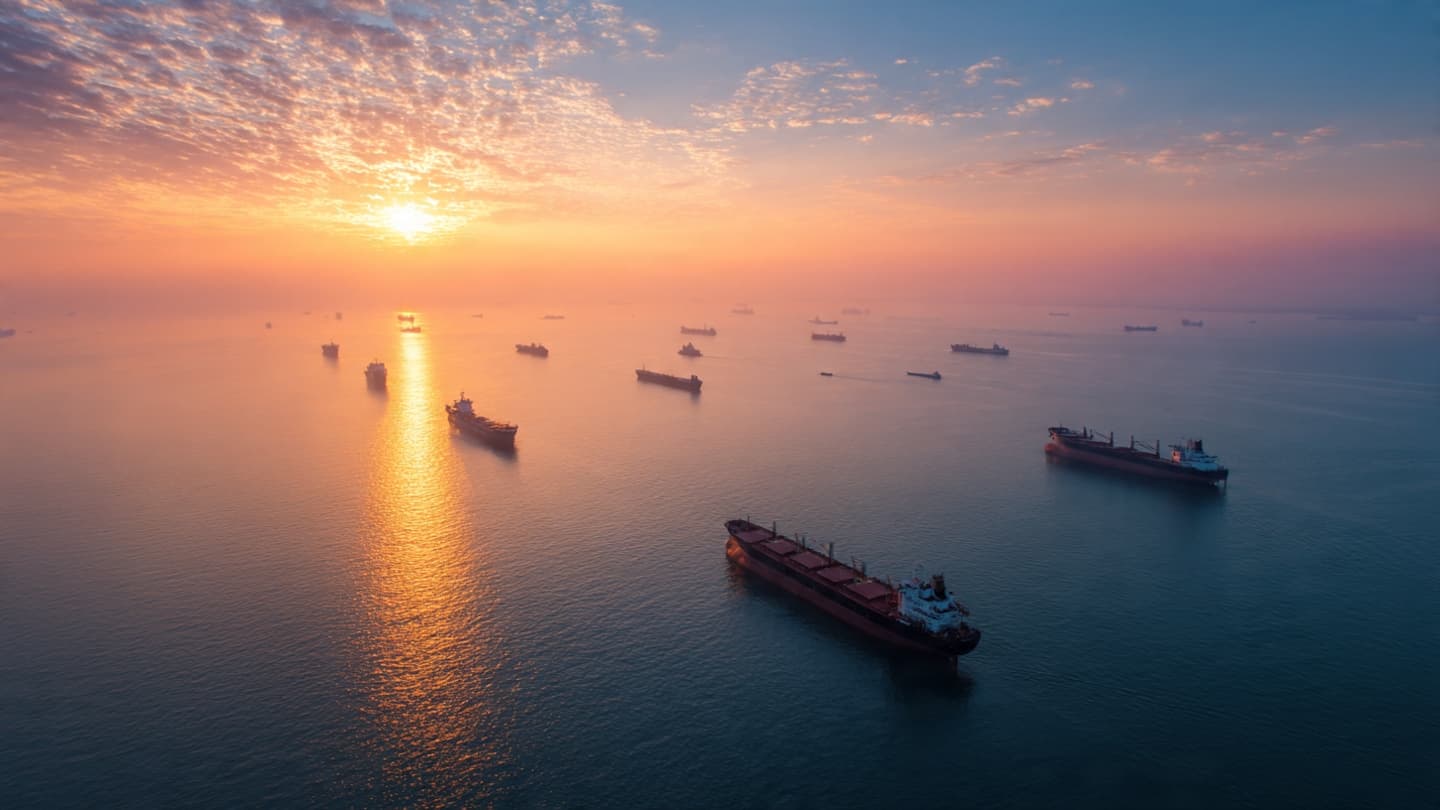
Before dawn stretches across the Persian Gulf, the sea often reflects a quiet stillness that seems untouched by the decisions unfolding far beyond the horizon. Merchant ships continue their patient passage, desert winds drift over distant coastlines, and the first light settles upon waters that have carried both commerce and conflict for generations. In moments like these, history often advances not with a single dramatic step but with a series of choices that ripple across borders.
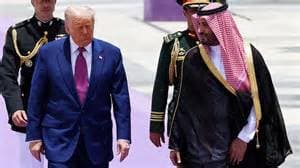
Those ripples have widened once again as the United States launched a fresh round of military strikes against targets in Iran following attacks that killed American service members. President Donald Trump declared that those responsible would face severe retaliation, describing the operation as a response to the deaths of U.S. soldiers while emphasizing continued efforts to reduce threats against American forces and regional shipping routes.
According to U.S. military officials, the strikes focused on military infrastructure associated with Iran's ability to conduct missile, drone, and maritime operations. American commanders said the objective was to weaken capabilities viewed as threatening regional security while responding directly to attacks that resulted in U.S. casualties. The latest operations continue an expanding military campaign that has intensified after the collapse of an earlier ceasefire.
The deaths of American service members have become a defining moment in the conflict. Their loss has strengthened calls within Washington for a more forceful response while increasing scrutiny over the direction and cost of the campaign. Public ceremonies honoring the fallen remind many that the consequences of international conflict are measured not only through strategic calculations but through the lives of those who serve.
Across the Middle East, the effects of renewed military action extend well beyond the immediate targets. Governments continue monitoring regional security, commercial airlines adjust routes when necessary, and shipping companies assess risks along strategic waterways. Even where daily life continues, uncertainty becomes part of the landscape, shaping decisions made in ports, markets, and households alike.
Global financial markets are also watching closely. The Strait of Hormuz remains one of the world's most important energy corridors, and any escalation involving Iran raises concerns over oil supplies, shipping costs, and broader economic stability. History has shown that events unfolding in these narrow waters can influence fuel prices and commercial planning across continents within days.
Diplomatic channels, meanwhile, remain active despite the intensifying conflict. Regional governments and international partners continue urging restraint while seeking opportunities to prevent further escalation. Such conversations rarely unfold beneath television cameras, yet they often become the quiet framework upon which future stability depends.
For communities throughout the region, ordinary routines continue beneath extraordinary circumstances. Schools open, businesses welcome customers, and families gather for evening meals even as headlines report another exchange of military action. These enduring rhythms offer a reminder that beyond geopolitical strategy lies the persistent hope for security, continuity, and peace.
As another day closes over the Gulf, the latest U.S. strikes become part of a conflict whose outcome remains uncertain. President Trump's warning of retaliation underscores the seriousness of the moment, while the broader international community continues searching for pathways that might eventually replace military exchanges with diplomatic progress. Between calm waters and unsettled horizons, the region once again finds itself balancing the weight of today's decisions against tomorrow's possibilities.
AI Image Disclaimer The accompanying visuals are AI-generated artistic representations created to illustrate the subject matter and are not authentic photographs.
Sources Reuters Associated Press BBC News U.S. Department of Defense The Guardian
Published by Banx Network. This article is part of the Banx decentralized media programme, powered by the BXE token on the XRP Ledger.