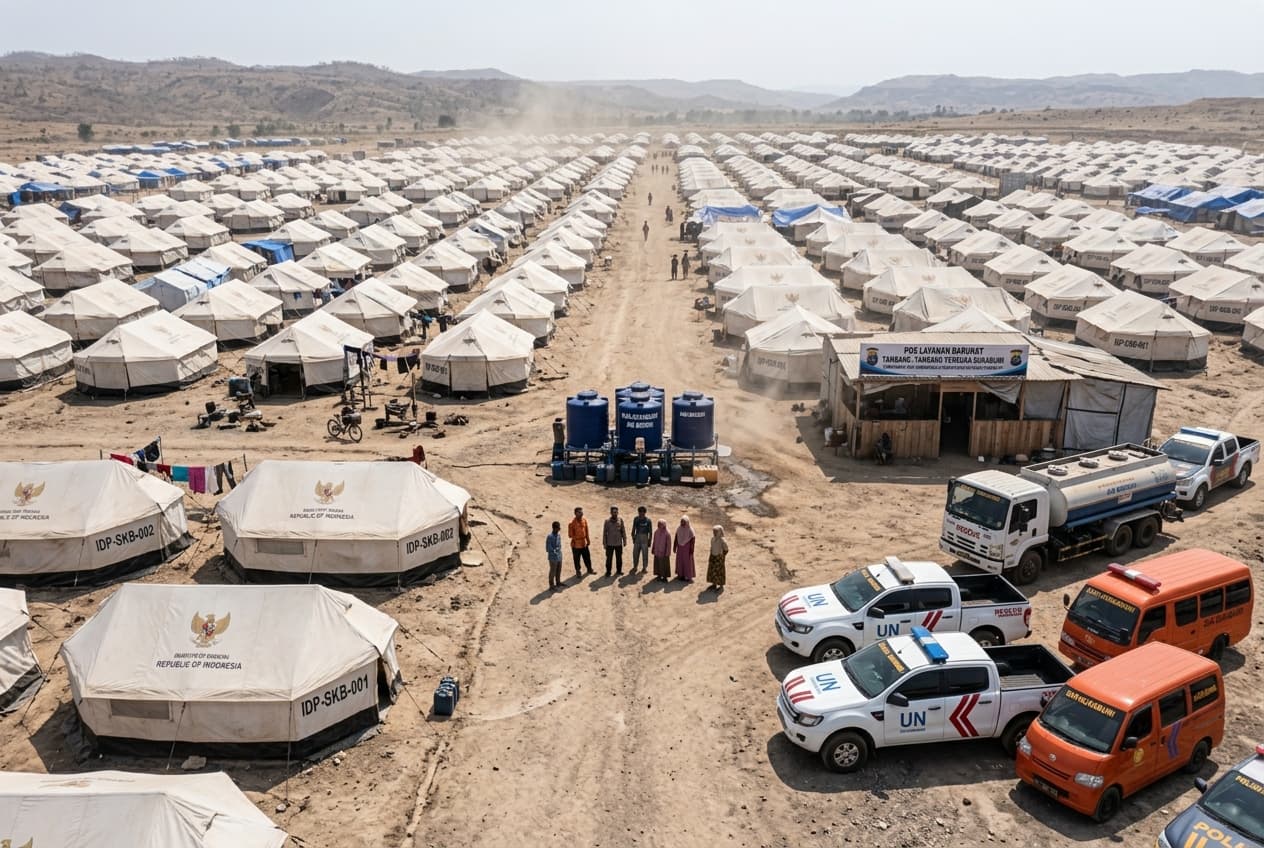
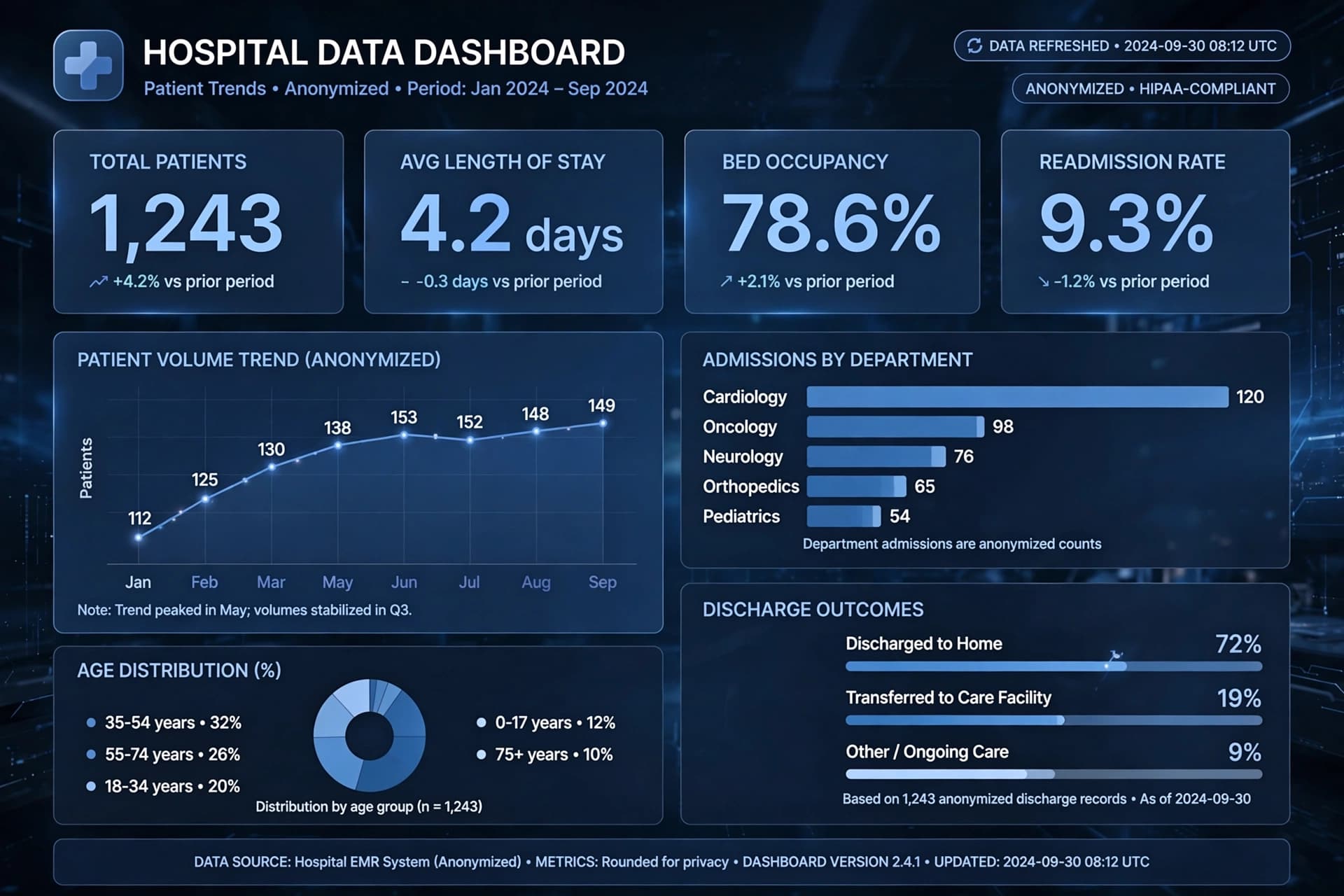
Under an autumn sky, when the light softens and the first whispers of winter touch the horizon, Britain once again found itself looking back over a long journey — one that carried hopes of a world without measles and the bittersweet reflection of how swiftly such achievements can shift. Like a rare bird seen once and then gone from sight, the virus that once seemed tamed has returned in a quiet yet unmistakable tide. In 2024, measles transmission in the United Kingdom was declared re‑established, and with that announcement came a shift in health status that many had hoped would remain in the rearview mirror.
For years, public health officials celebrated the hard‑won milestone known as measles elimination status — a badge of honour awarded by the World Health Organization when a country manages to interrupt endemic transmission of the disease. But to sustain such a milestone requires more than a momentary lull; it requires consistent, high vaccination coverage, reaching and holding at least 95% of children with two doses of the MMR (measles, mumps, rubella) vaccine. As the data now shows, that threshold has not been met for some time, and the consequences have unfurled slowly at first, then more clearly over months of transmission.
In 2024, nearly four thousand confirmed measles cases were recorded across the UK — the highest in over a decade. Scientists and epidemiologists noting these figures spoke of a plateau in vaccine uptake that, while never dramatic, had lingered like a shadow at the edge of public health efforts. With pockets of lower coverage persisting, measles found a path once more into communities where immunity had waned. Persistent gaps in routine vaccination allowed this virus — one of the most infectious known to humankind — to weave quietly through populations once thought protected.
Healthcare experts emphasize that elimination status is not immunity from outbreaks but rather the absence of continuous, endemic transmission over time. When the virus circulates for longer than a year within a country, WHO guidelines consider it re‑established, and that is the threshold that the UK has now crossed. Vaccination programmes, while still in place and ongoing, have struggled to close the last mile of coverage, particularly among young children who missed timely doses in earlier years.
There is a story behind every public health metric — a story of families, clinics, schools, and the broader tapestry of community life. Where vaccine confidence has ebbed, where access for some has been uneven, and where routine health checks have sometimes been delayed by wider social pressures, these patterns have shaped the contours of how measles has returned. Public health authorities have responded with renewed campaigns, adjusting schedules and introducing expanded MMRV vaccine access to reach those who might still be unprotected.
Turning a corner in public health rarely occurs in a single moment; it is a gradual acceleration of many aligned efforts. Yet, the shift in the UK’s measles status serves as a gentle reminder that medical progress, like a garden in winter, needs tending even when the blooms are not always visible. Health officials stress that elimination can be regained — but only through sustained community engagement, outreach, and improved vaccine uptake across all regions.
As winter days shorten and conversations turn to care and protection, the return of measles to the UK narrative invites reflection not only on statistical thresholds but on the everyday acts of health stewardship that bind communities. With collaborative efforts underway, the hope remains that measles — a once‑familiar scourge now kept mostly at bay — may once again recede into the quiet archive of history.
AI Image Disclaimer (rotated wording) Visuals are created with AI tools and are not real photographs.
Sources (media names) GOV.UK World Health Organization (WHO) / WHO Europe AOL UK (Press Association health reports) The Sun (news coverage) The Irish News
Published by Banx Network. This article is part of the Banx decentralized media programme, powered by the BXE token on the XRP Ledger.