Winter settles heavily across Central Europe, pressing frost into fields and quieting the rivers that thread through capitals and countrysides alike. Beneath this stillness runs another current — unseen, metallic, and constant — the pipelines and power lines that bind nations together in shared dependence. It is along these silent corridors that a new strain has surfaced, not in the thunder of artillery but in the measured language of ministries and communiqués.
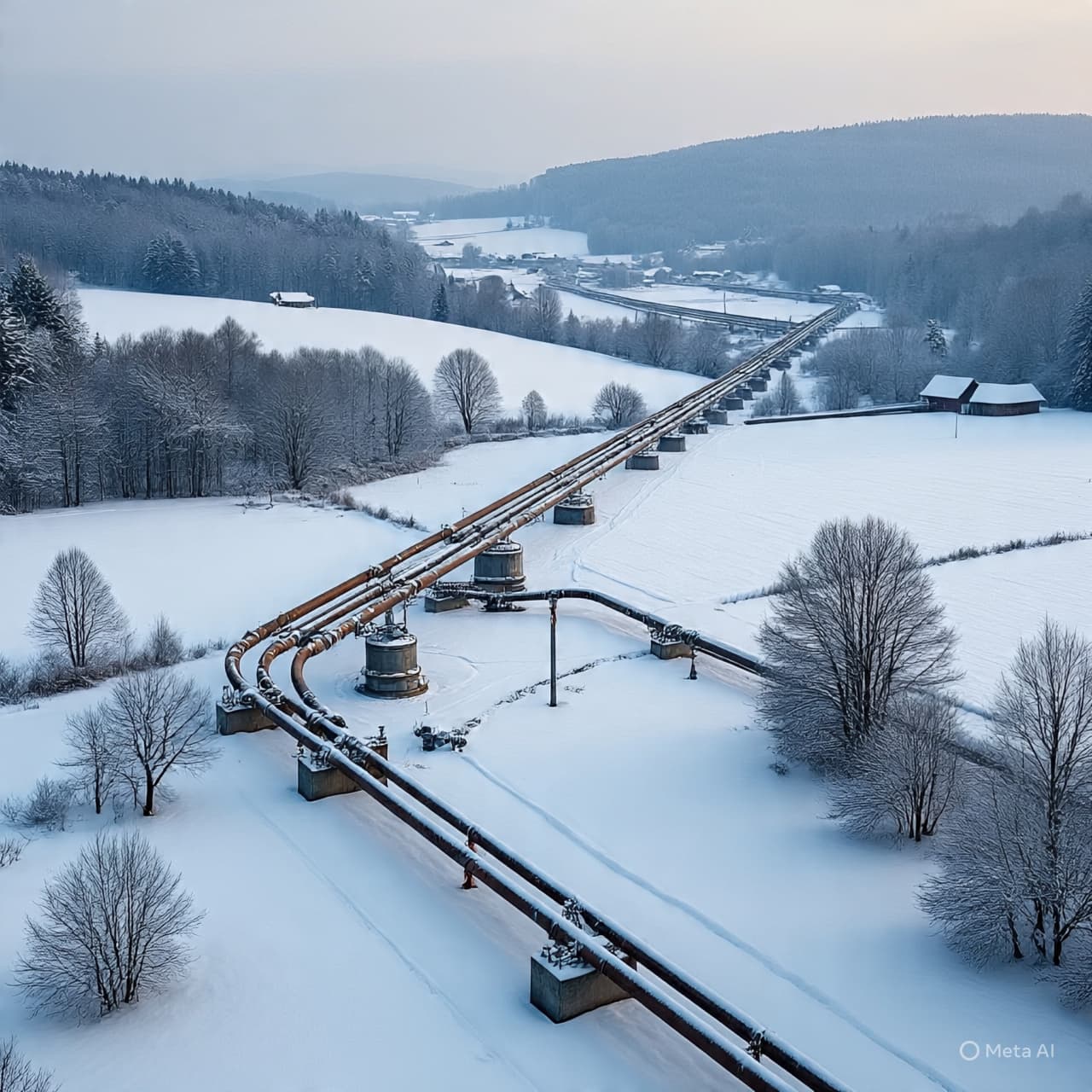
In Kyiv, officials this week spoke of “blackmail,” their words directed toward neighboring Hungary and Slovakia. The dispute centers on the flow of Russian oil through the Soviet-era Druzhba pipeline, a vast network whose name means “friendship,” though its history has often been more complicated.
Ukrainian authorities say that recent interruptions to oil transit were caused by damage from Russian drone strikes on infrastructure — part of a broader pattern of attacks that have repeatedly targeted Ukraine’s energy grid. Repair efforts, they indicate, are ongoing. Yet in Budapest and Bratislava, concern has grown over the halted deliveries of crude oil, supplies that remain important to both economies despite wider European efforts to diversify away from Russian energy.
Hungarian officials have signaled that, unless oil transit resumes, Budapest could block a substantial European Union financial package intended to support Ukraine. Slovak leaders have warned that emergency electricity exports to Ukraine — which have helped stabilize its grid during winter bombardments — might be curtailed if the dispute is not resolved. In response, Kyiv has urged its neighbors to direct their pressure toward Moscow, arguing that Ukraine itself is contending with infrastructure damage inflicted during wartime.
The tension unfolds within the broader framework of the European Union, where unity has often been presented as both principle and necessity in the face of Russia’s invasion. Yet energy dependence has long tested that unity. Hungary and Slovakia remain among the EU states most reliant on Russian crude delivered via the Druzhba route, and their domestic political calculations intersect with wider geopolitical alignments.
For Ukraine, electricity imports from neighboring countries have provided a measure of stability as repeated strikes have strained its generation capacity. The prospect of reduced supplies carries weight not only in diplomatic chambers but in homes where heat and light have become symbols of resilience.
The language on all sides has remained formal, though pointed. Hungary has defended its stance as a matter of national energy security. Slovakia has framed its warnings as pragmatic necessity. Ukraine has characterized the measures as ultimatums. The dispute, while technical in its origins, reflects deeper questions about solidarity, leverage, and the uneven burdens carried by states bound together in crisis.
In practical terms, Ukraine’s Foreign Ministry has condemned what it described as “blackmail” by Hungary and Slovakia over the suspension of Russian oil transit through the Druzhba pipeline. Hungary has indicated it may block a major EU financial package for Ukraine, while Slovakia has warned of potential limits on electricity exports. Discussions within the European Union are ongoing as officials seek a resolution to the energy dispute amid the continuing war.
AI Image Disclaimer
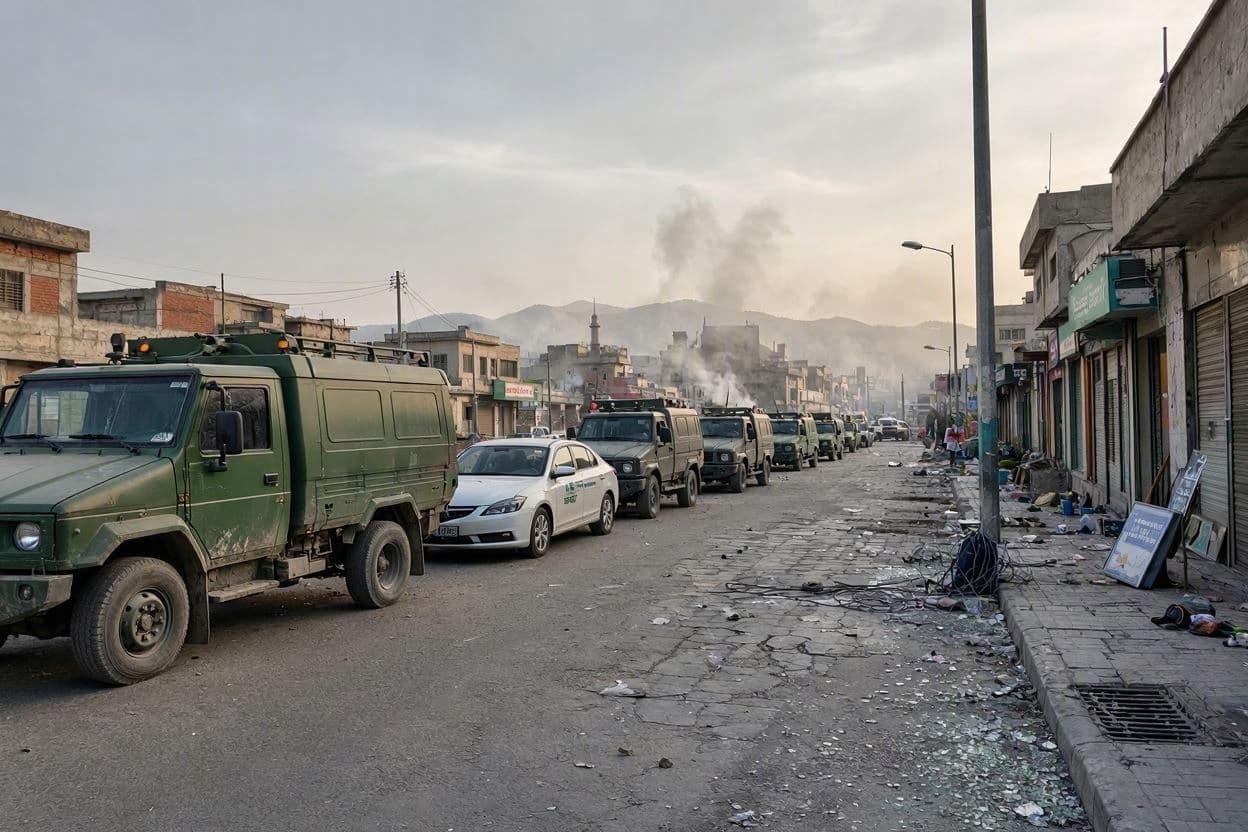
Illustrations were created using AI tools and serve as conceptual representations.
Sources (Media Names Only)
The Guardian Reuters Associated Press Euronews
Published by Banx Network. This article is part of the Banx decentralized media programme, powered by the BXE token on the XRP Ledger.