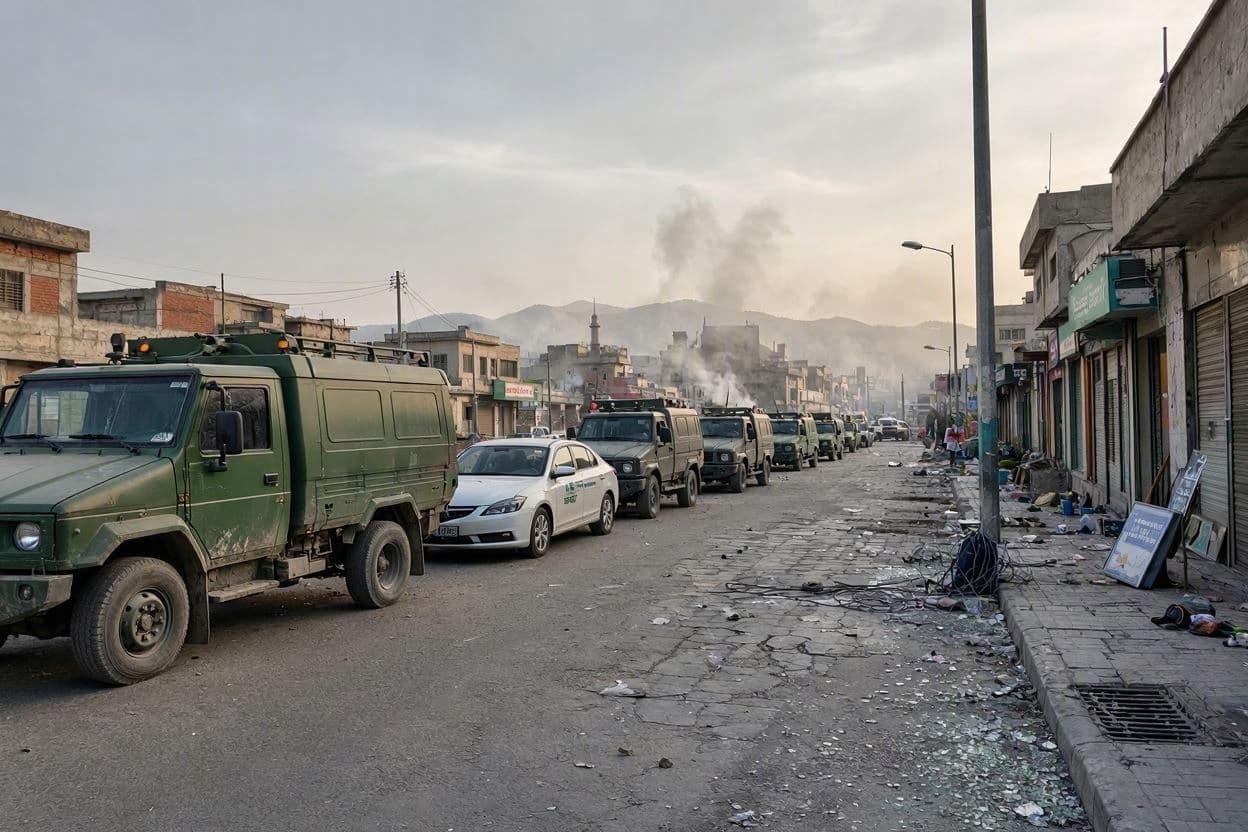
In the rugged landscapes of northwestern Pakistan, silence is often a fragile thing, easily broken by the echoes of conflict. For twenty hours, the air in Kohat district was thick with tension as security forces engaged in a prolonged standoff with armed militants. This confrontation, which began with a devastating car bombing, serves as a somber reminder of the persistent challenges facing the region. As the dust settles, we are left to reflect on the human cost of such violence and the enduring resilience of those who strive for stability in an unstable land.
The incident commenced when a suicide bomber rammed an explosives-laden vehicle into a mosque, creating chaos and destruction. In the aftermath, gunmen stormed the facility, leading to a fierce exchange of fire that would last nearly a day. The initial attack claimed lives and injured many, setting the stage for a tense siege that gripped the local community and drew national attention. The choice of a religious site as a target underscores the brutal tactics employed by extremist groups in the region, aiming to sow fear and discord.
Pakistani security forces responded swiftly, surrounding the area and engaging the militants in a careful, methodical operation. The standoff lasted for twenty hours, during which time negotiators attempted to secure the release of any hostages and de-escalate the situation. However, the militants remained entrenched, forcing the authorities to take decisive action. The eventual resolution saw the elimination of eight attackers, bringing an end to the immediate threat but leaving behind a scene of devastation and grief.
The location of the attack, Khyber Pakhtunkhwa province, has long been a focal point for militancy. Despite significant counter-terrorism efforts in recent years, the region continues to grapple with insurgent activities. This latest incident highlights the evolving nature of the threat, where small, coordinated cells can still inflict significant damage. It serves as a testament to the complexity of the security landscape, where military success must be paired with political and social strategies to achieve lasting peace.
For the families of the victims, the end of the standoff brings little comfort. The loss of life, including police officers and civilians, leaves a void that cannot be filled. Communities in Kohat and beyond are left to mourn and rebuild, grappling with the trauma of such a violent event. The psychological impact of these attacks extends far beyond the physical damage, eroding trust and fostering an atmosphere of anxiety among the populace.
The government has reiterated its commitment to rooting out terrorism, promising justice for the victims and enhanced security measures. Yet, the recurrence of such incidents raises questions about the effectiveness of current strategies. Experts argue that while military operations are necessary, they must be complemented by efforts to address the root causes of extremism, including economic disparity and political marginalization. Without a holistic approach, the cycle of violence may continue.
International observers have noted the severity of the situation, calling for sustained support for Pakistan’s counter-terrorism efforts. The global community recognizes that instability in this region has broader implications for regional security. Cooperation and intelligence sharing remain crucial tools in the fight against transnational militant networks. This incident serves as a reminder that the battle against extremism is not confined to borders but is a shared responsibility.
The conclusion of the 20-hour standoff in Kohat marks the end of an immediate crisis but not the end of the underlying challenges. As Pakistan continues its fight against militancy, the focus must remain on both security and societal healing. The resilience of its people and the dedication of its security forces offer hope, but the path to lasting peace remains long and arduous.
AI Image Disclaimer: Please note that any accompanying visuals are AI-generated interpretations designed to illustrate the scientific concepts discussed.
Sources: The Washington Post The Print Al Jazeera Associated Press
Published by Banx Network. This article is part of the Banx decentralized media programme, powered by the BXE token on the XRP Ledger.